
Dog Grooming at Home, a Routine by Coat Type
Dog grooming at home for beginners: brushing, baths, nails, teeth and ears, the right tools for each coat, puppy grooming tips and a routine by coat type.
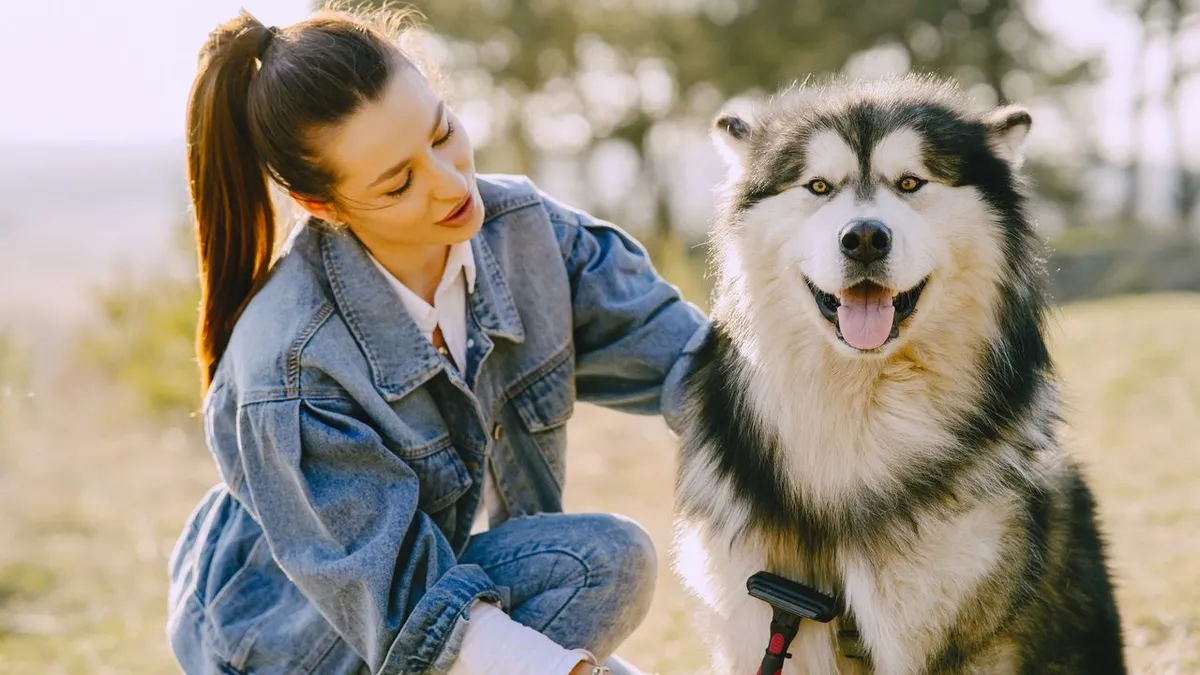
Grooming routine by coat type
Coats like the Pug, Beagle, Boxer and Dachshund
Every day
- Brush the teeth with a dog toothbrush and dog toothpaste (a few times a week still helps)
Every week
- Brush once a week with a grooming glove, a rubber brush or a short bristle brush
- Lift the lips and look over the teeth and gums
- Check the ears, eyes and paws during a cuddle
Every few weeks
- Trim the nails every 3 to 4 weeks
- Clean the ears about once a month
Every few months
- Bathe with a dog shampoo at least every 3 months, or sooner when dirty or smelly
- Never cut a mat out with scissors. A groomer can clip it out safely.
- Start brushing and handling paws, ears and mouth gently while your dog is young.
Guides
Practical, step by step help for everyday life with your pet.
-
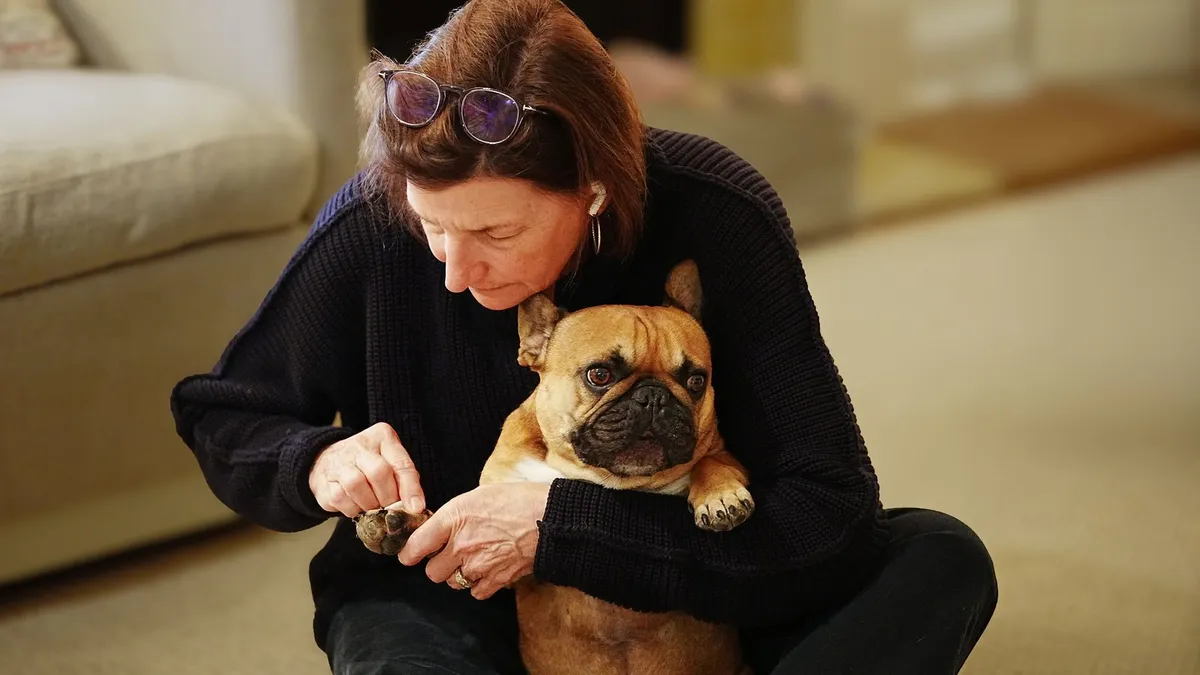
Dog Nail Trimming Hacks for a Calm Trim
Dog nail trimming hacks that make trims calmer: a 7-day plan to build trust, how to hold the paw, where the quick is, clipping versus grinding, and how often.
-
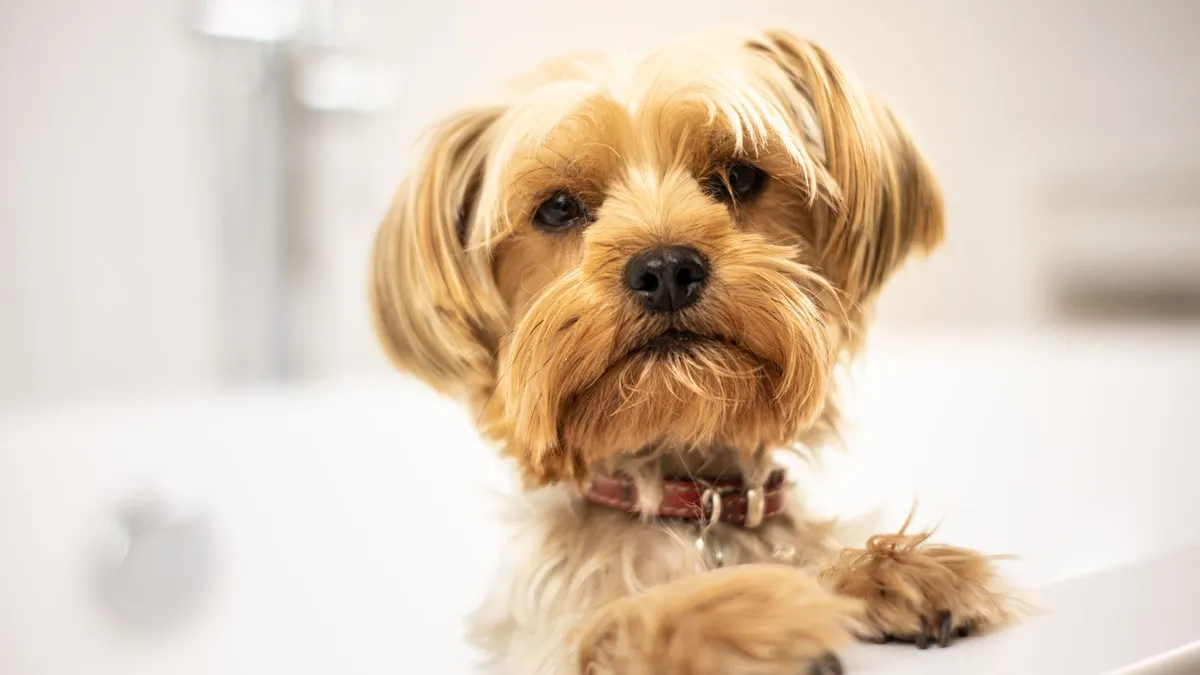
Puppy Bath Time Tips for a Calm First Bath
Puppy bath time made easy: when to start, a washcloth first, then a gentle shampoo bath step by step, keeping the face and ears dry, and drying without a fuss.
Dog grooming at home comes down to a few habits: brushing that suits the coat, a bath now and then, nail trims every 3 to 4 weeks, and care for the teeth and ears. Pick your dog’s coat type in the routine above for a printable plan of what to do every day, every week and every few weeks.
Brushing by coat type
Every dog benefits from regular brushing. It lifts out loose hair and dirt, spreads the skin’s natural oils and keeps tangles from turning into mats. How often to brush depends mostly on the coat.
Short and smooth coats
A short, smooth coat, like a Pug’s or a Beagle’s, needs a brush about once a week. A grooming glove, a rubber brush or a short bristle brush catches the loose hair.
Double coats
A double coat has a soft undercoat under a coarser top coat. Brush it at least once a week with a slicker brush and follow with a comb, and use an undercoat rake to reach the hair close to the skin. Most double coats go through 2 heavy sheds a year, when extra brushing helps.
Skip shaving, which doesn’t stop the shedding and can damage the top coat.
Long, curly and wiry coats
Long, silky and curly coats need brushing every day, or they tangle and mat. Pay extra attention behind the ears, in the armpits and on the backs of the legs. A wiry coat needs a weekly brush and comb, and many wiry breeds also need hand-stripping, where the dead hair is plucked out instead of cut.
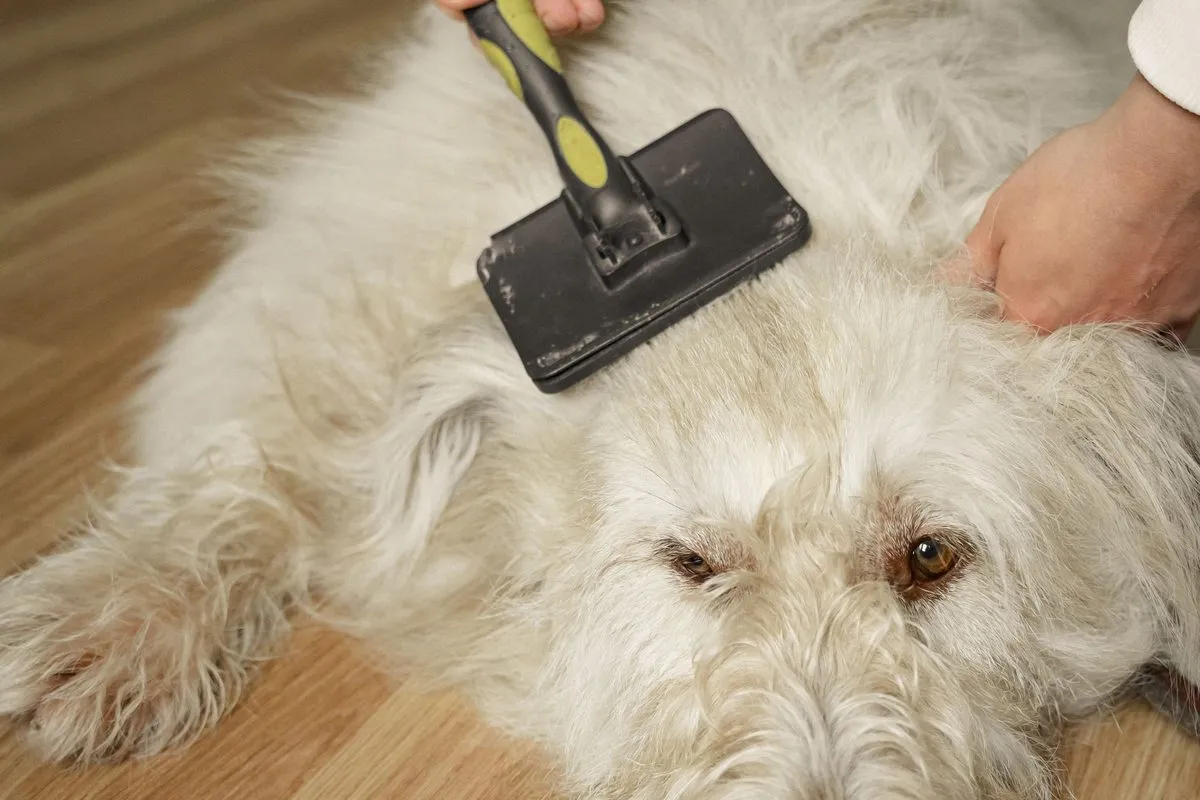
Baths, nails, teeth and ears
Most dogs need fewer baths than people expect. Bathe your dog at least every 3 months, or sooner when the coat is dirty or smells doggy, always with a shampoo made for dogs. Coats that grow without shedding, like a Shih Tzu’s, usually do best with a bath every 6 to 8 weeks.
Brush out tangles before the bath, since they get much harder to remove once wet. Bathing too often can dry out the skin and coat, so let the coat tell you when it’s time.
Nails
Most dogs need a nail trim every 3 to 4 weeks. Long nails can spread the toes and cost a dog grip on the floor, so a regular trim keeps every walk comfortable.
Teeth and ears
Brushing your dog’s teeth every day with a dog toothbrush and dog toothpaste is ideal, and a few times a week still helps. Once a week, lift the lips and look over the teeth and gums.
Most dogs do well with an ear cleaning about once a month. Check the ears, eyes and paws during a cuddle each week, so you’ll notice anything new early.
Dog grooming tools for beginners
A short list of tools covers most coats. Match the brush to the coat, and keep it clean.
- Grooming glove or rubber brush for short, smooth coats.
- Bristle brush for short coats and as a finishing brush.
- Slicker brush for medium, long, wiry and curly coats.
- Undercoat rake for double coats of any length.
- Wide-toothed comb to check for knots after brushing.
- Nail clippers or a nail grinder, plus a dog toothbrush and dog toothpaste.
Never cut a mat out with scissors. A groomer can clip a mat out safely.
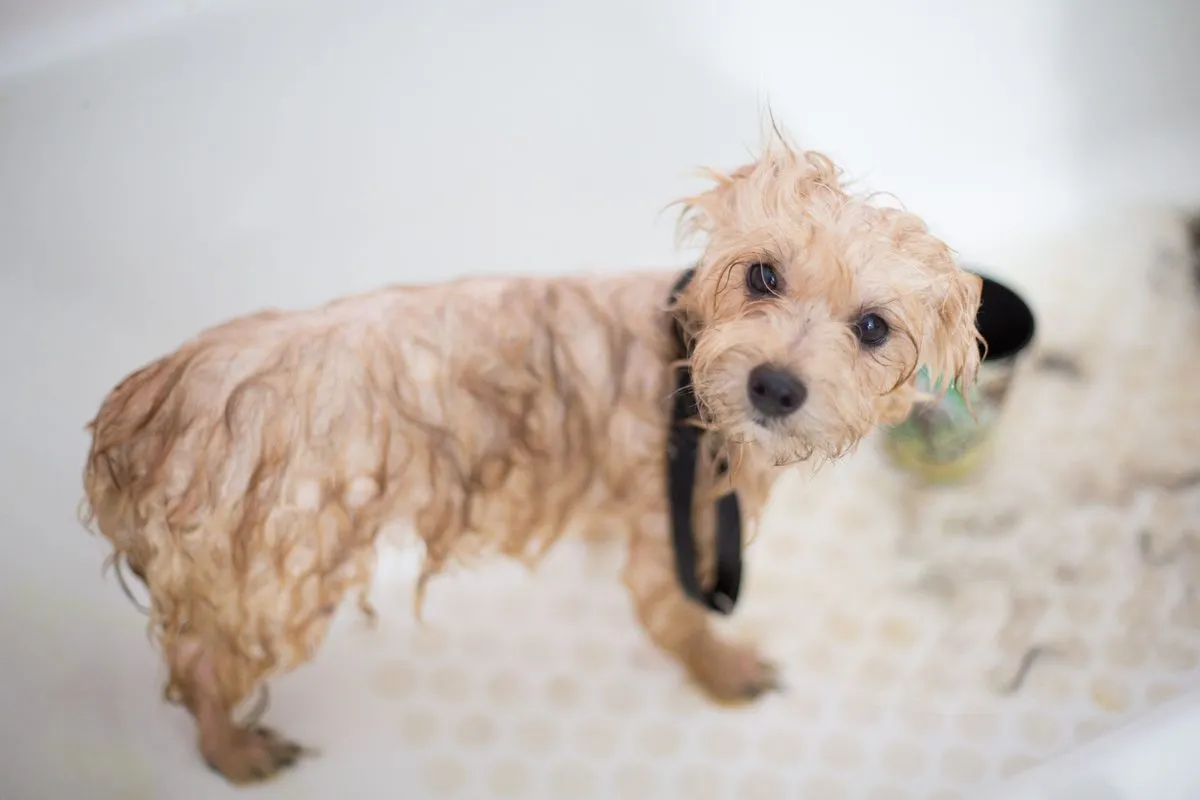
Puppy grooming
Start puppy grooming right away, while everything is new. Short, gentle sessions with treats teach a puppy that brushing and handling are good things.
Touch the paws, ears and mouth a little each day, and give a treat each time. That makes nail trims, ear checks and tooth brushing much easier when your puppy is grown. A brush and a set of nail clippers belong on the new puppy checklist for the same reason.
When a groomer helps
Some coats need a professional. A Poodle or doodle coat usually needs a groomer’s trim every 4 to 6 weeks, and a wiry coat needs hand-stripping on a schedule that suits the breed.
A groomer also helps with heavy mats, a nervous dog or nails you’d rather not trim yourself. Home grooming and a good groomer work best together.