
Puppy Training Basics for the First Months
Puppy training basics to start the day your puppy comes home: short sessions, rewards, potty and crate training, first cues, biting and the leash.
Guides
Practical, step by step help for everyday life with your pet.
-
Dog Body Language Signs and What They Mean
Dog body language explained: what the tail, ears, eyes, mouth and posture say about a relaxed, playful, stressed, scared or warning dog, with a printable chart.
-
Puppy Training Schedule by Age, Week by Week
A puppy training schedule by age from 8 weeks to 6 months and beyond: what to teach each week, from sit and come to leash walking, with a printable plan.
-
Dog Barking Causes and How to Stop It
Why dogs bark and how to stop dog barking calmly: find the reason, manage the triggers, teach a quiet cue, and handle window, door, crate and alone barking.
-
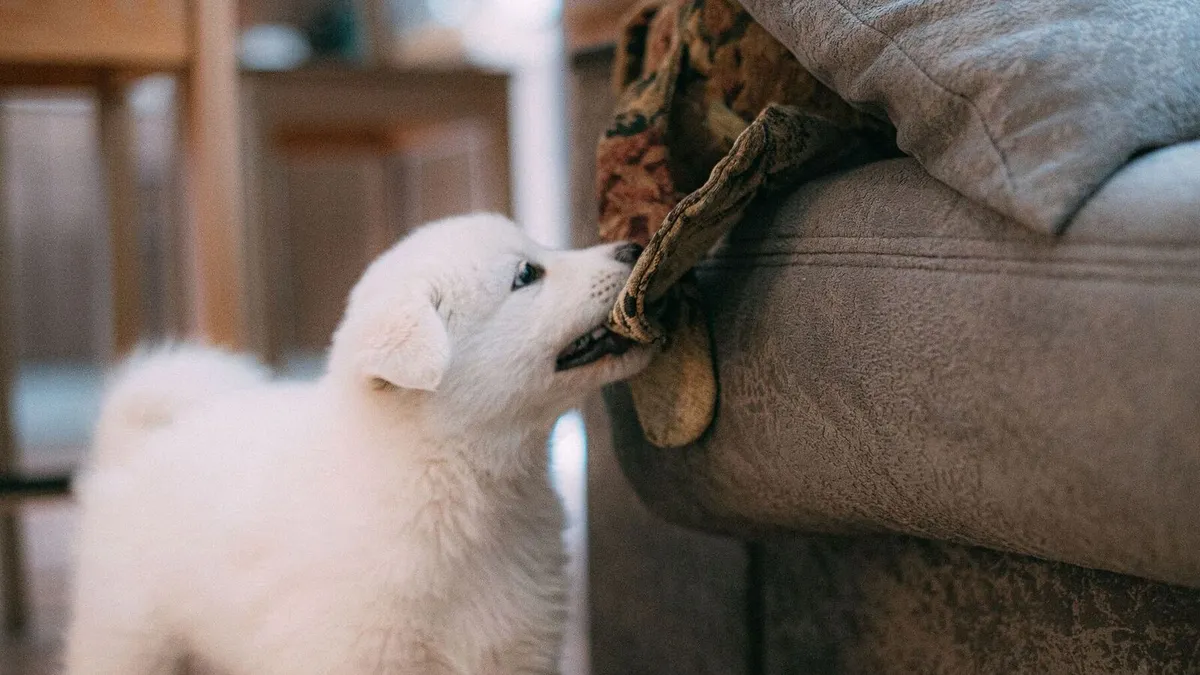
Puppy Biting Training Tips for a Soft Mouth
Puppy biting training tips that work: why puppies bite, how to stop a puppy from biting in four calm steps, teething, the mistakes to skip and when to get help.
-
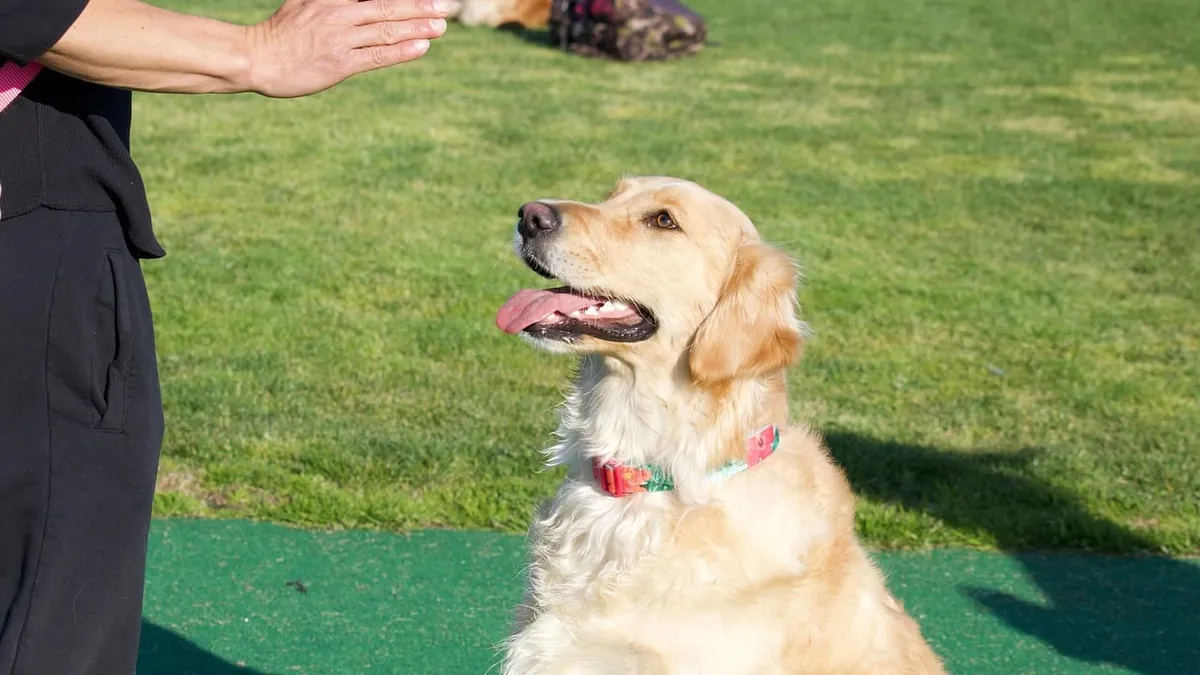
Dog Commands Every Dog Should Know
The dog commands worth teaching first, from sit, down, stay and come to leave it and drop it, with simple steps for each and a printable list.
-
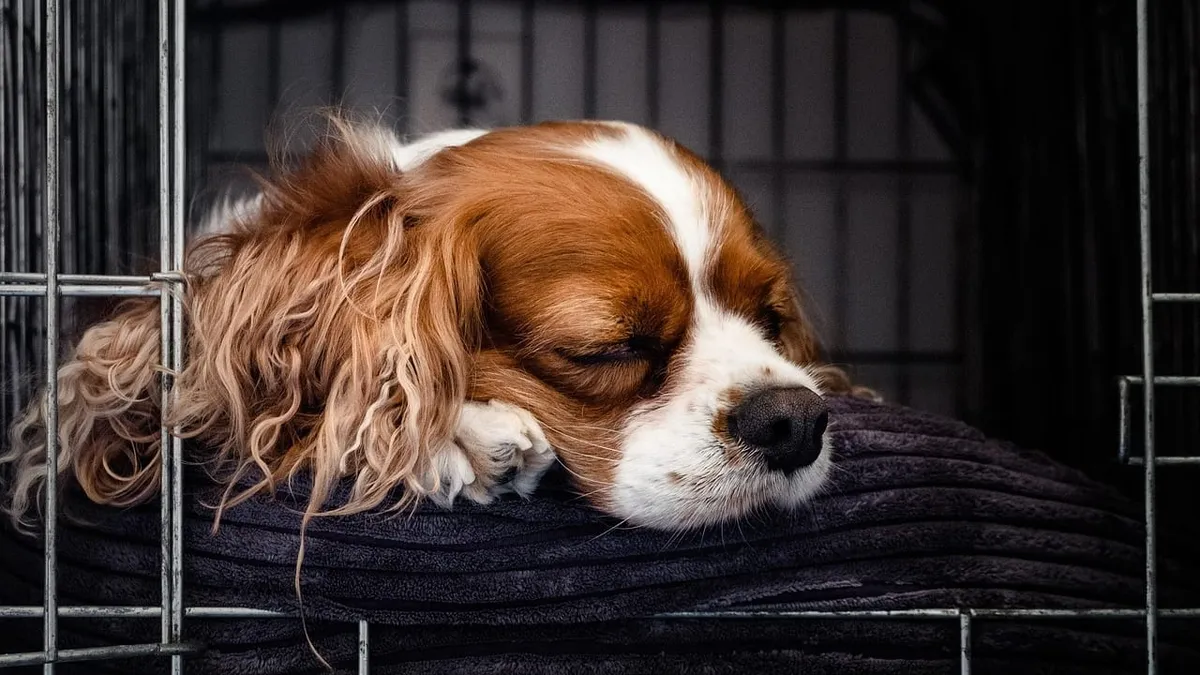
Crate Training a Puppy Step by Step
How to crate train a puppy calmly: picking and setting up the crate, four simple steps, nights, whining, and a chart of how long a puppy can stay in by age.
-
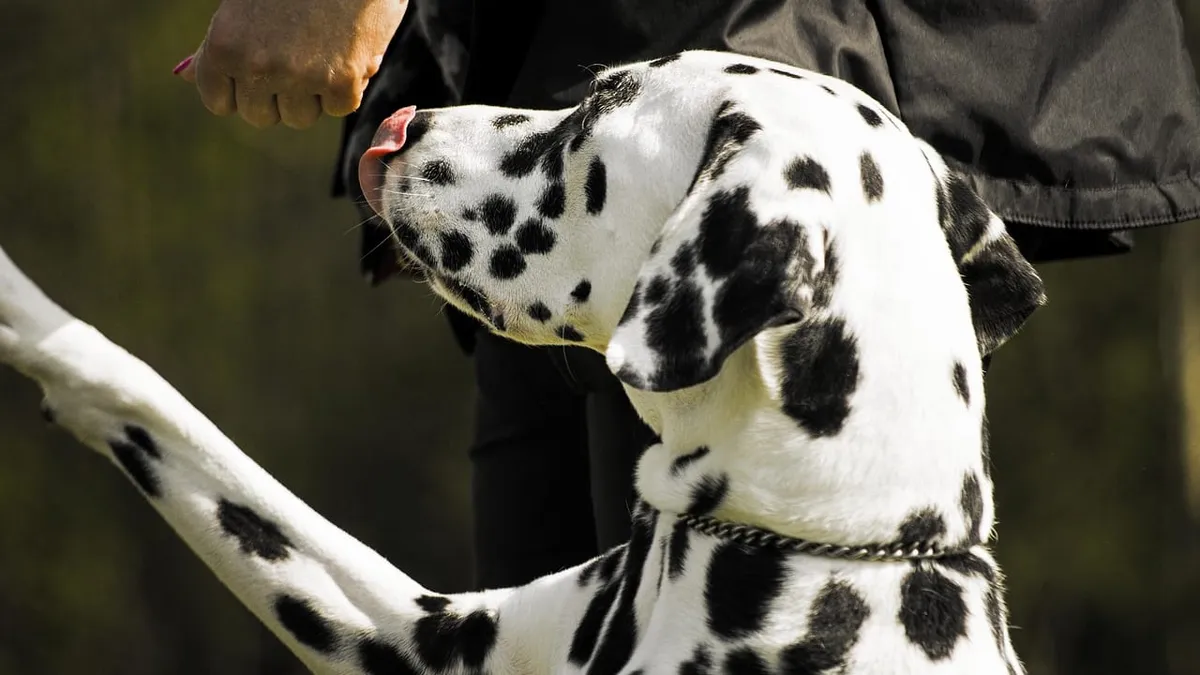
Dog Tricks to Teach, from Easy to Show-Off
Fun dog tricks to teach at home, from touch and shake to roll over and a bow, with simple steps for each and a printable checklist to track them.
-
Potty Training a Puppy in Simple Steps
How to potty train a puppy: how often to go out at each age, the moments that need a trip outside, what to do after an accident and how nights work.
Puppy training starts the day your puppy comes home, and it doesn’t need a lot of time. A few minutes at a time, spread through the day, with a reward the moment your puppy gets it right, teaches more than one long session. Start with the potty spot and the crate, then add their name, a few cues and good manners with people.
How a puppy learns
Puppies repeat what pays off. When a behavior earns a treat, praise or a game, your puppy offers it more often, so the main skill for you is timing: reward within a second or two, while your puppy is still doing the right thing.
Keep sessions short, a few minutes at most, and end while your puppy is still keen. Use soft treats you can break into tiny pieces, and train before meals, when your puppy is more interested.
Scolding and punishment don’t teach a puppy what to do instead, and they can make a puppy wary of you. When your puppy gets something wrong, show them what you want and reward that.
Potty training comes first
Potty training is the first lesson for every puppy, and it works on timing too: take your puppy out before they need to go and reward them right at the spot. Potty training a puppy covers how often to go out at each age, the moments that need a trip outside and what to do after an accident.
A crate your puppy likes
A crate gives your puppy a quiet place to rest and helps with potty training, since most puppies keep their bed clean. Make it a nice place to be: toss treats inside, feed meals there and give a safe chew toy. Close the door for short stretches while you’re nearby, and build up the time slowly.
Never use the crate as a punishment, and don’t leave a young puppy in it for longer than they can wait for a potty break. Crate training a puppy walks through it step by step, with a chart of crate time by age.
First cues
Start with your puppy’s name (still choosing one? See the puppy names and their generator).
Say it once, and reward them the moment they look at you. Then add a few simple cues:
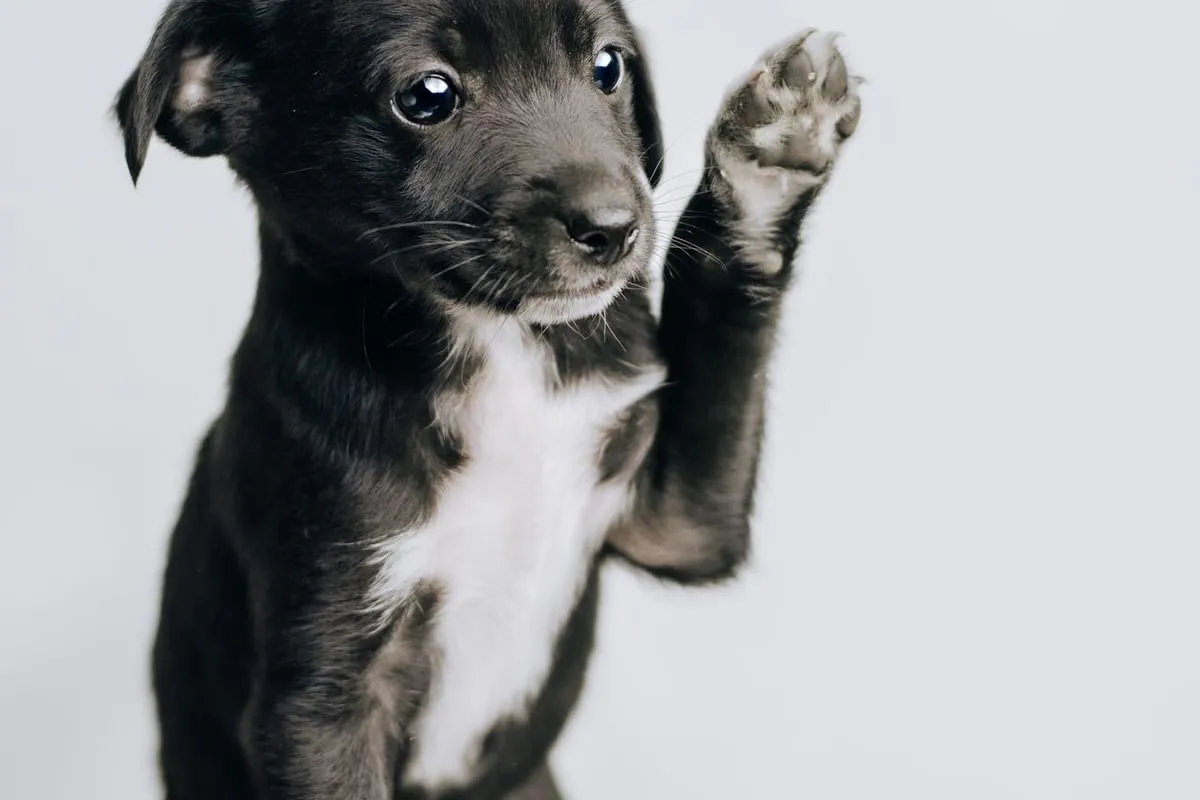
- Sit: hold a treat over your puppy’s nose and move it slowly back over their head. As their rear goes down, say “yes” and give the treat.
- Come: say your puppy’s name and “come” in a happy voice, back away a few steps and reward when they reach you. Never call your puppy to you for something they dislike.
- Down: from a sit, lower a treat slowly to the floor between their paws, and reward when their elbows touch the ground.
Practice each cue in a quiet room first, then in new places, one small step at a time. Once sit and down are easy, dog tricks like touch, spin and a bow use the same lure and reward.
For stay, leave it, drop it and walking on a loose leash, the dog commands guide has the steps and a printable list.
Puppy biting
Puppies explore with their mouths, so biting is normal, but they need to learn that teeth on people end the fun. When your puppy bites a hand, give them a toy to bite instead.
If they keep going, stop the game for a moment and turn away. Plenty of chew toys and naps help too, since a tired puppy bites more.
Walking on a leash
Let your puppy wear a light collar or harness at home first, then attach a light leash for short walks around the house and yard. Reward your puppy often for walking next to you.
If they pull, stop and wait until the leash is loose, then go on. A puppy learns that pulling gets them nowhere and a loose leash keeps the walk going.
Meeting the world
The first months are when a puppy learns what’s normal. Let your puppy meet new people, sounds, surfaces and places calmly and a little at a time, pairing each new thing with treats and letting your puppy watch from a distance first. Ask your vet when your puppy can meet other dogs, join a puppy class and visit public places.
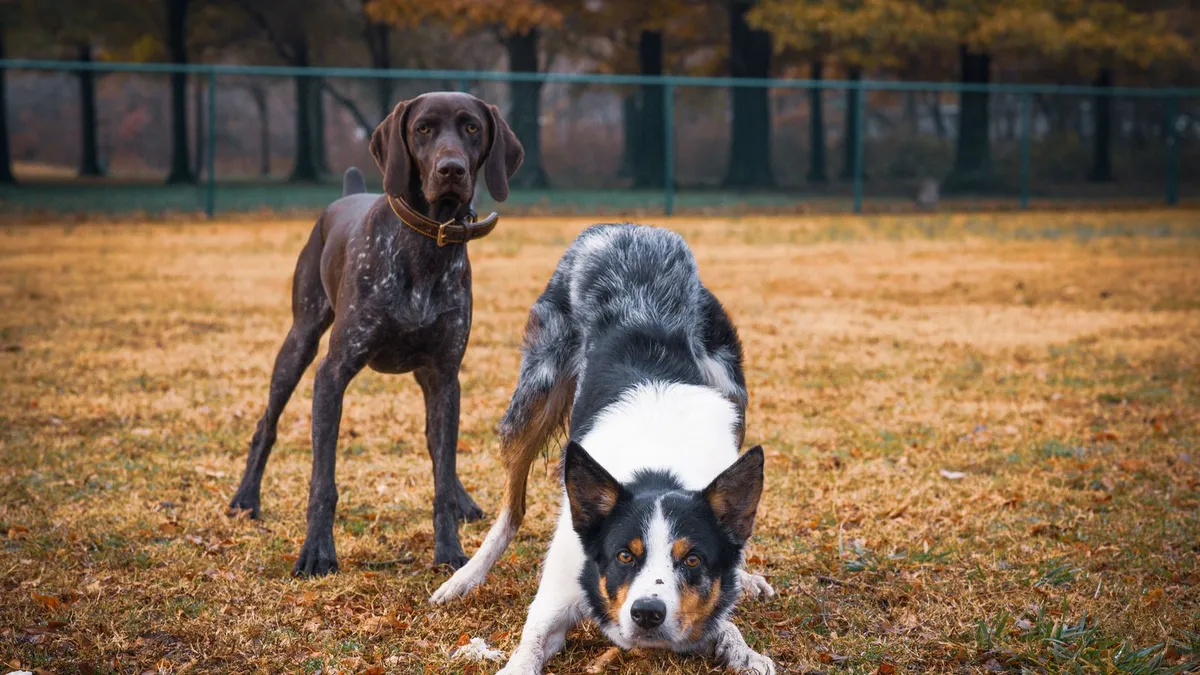
A relaxed, wiggly body means your puppy is coping well, while a tucked tail or a crouch means it’s time to step back; the dog body language guide shows what to look for.
Make training part of the day
The easiest way to keep training going is to build it into your puppy’s routine: a short session in each play time, the cue word at every potty break, a calm crate at every nap. The puppy schedule maker plans the whole day, and the New Puppy guide covers the first week at home.