
New Puppy Guide for Your First Week Together
How to bring a new puppy home and get through the first week: what to set up before, the first day, the first night and a simple daily routine.

Tools and printables
Fill in a few details and see the result on the spot.
-
New Puppy Checklist for Bringing Puppy Home
A printable new puppy checklist with everything to have ready before your puppy comes home, from the crate and bowls to the first vet visit.
-
Puppy Schedule by Age, Hour by Hour
Make a daily puppy schedule for your puppy's age, with potty breaks, meals, play and naps from wake-up to bedtime, then print it for the fridge.
-
8 Week Old Puppy Schedule, Hour by Hour
A sample 8 week old puppy schedule from wake-up to bedtime, with frequent potty breaks, meals, short play and plenty of naps. Change the times to fit your day.
-
12 Week Old Puppy Schedule, Hour by Hour
A sample 12 week old puppy schedule from wake-up to bedtime, with potty breaks, meals, crate naps, play and short training. Change the times to fit your day.
Guides
Practical, step by step help for everyday life with your pet.
-

Puppy Essentials You Really Need
The puppy essentials worth buying before day one, what to look for in each, and the extras that can wait until you know your puppy.
The first week with a new puppy is mostly about three things: a safe place to be, a steady routine and a lot of short trips outside. Get the space ready before your puppy comes home, keep the first days quiet, and let the routine do the work.
Before your puppy comes home
Have the basics ready a few days early, so the first day is about your puppy and not about shopping. The new puppy checklist lists everything to buy and set up, and puppy essentials says what to look for in each item.
Set up a small puppy area with gates or a playpen, put the crate and bed near where you sleep, and pick one potty spot outside. If you’re still choosing a name, the girl dog names and boy dog names lists can help, so it’s ready for the ID tag.
The first day
Go straight to the potty spot when you get home, and praise your puppy when they go. Then bring them into the puppy area and let them sniff around at their own pace.
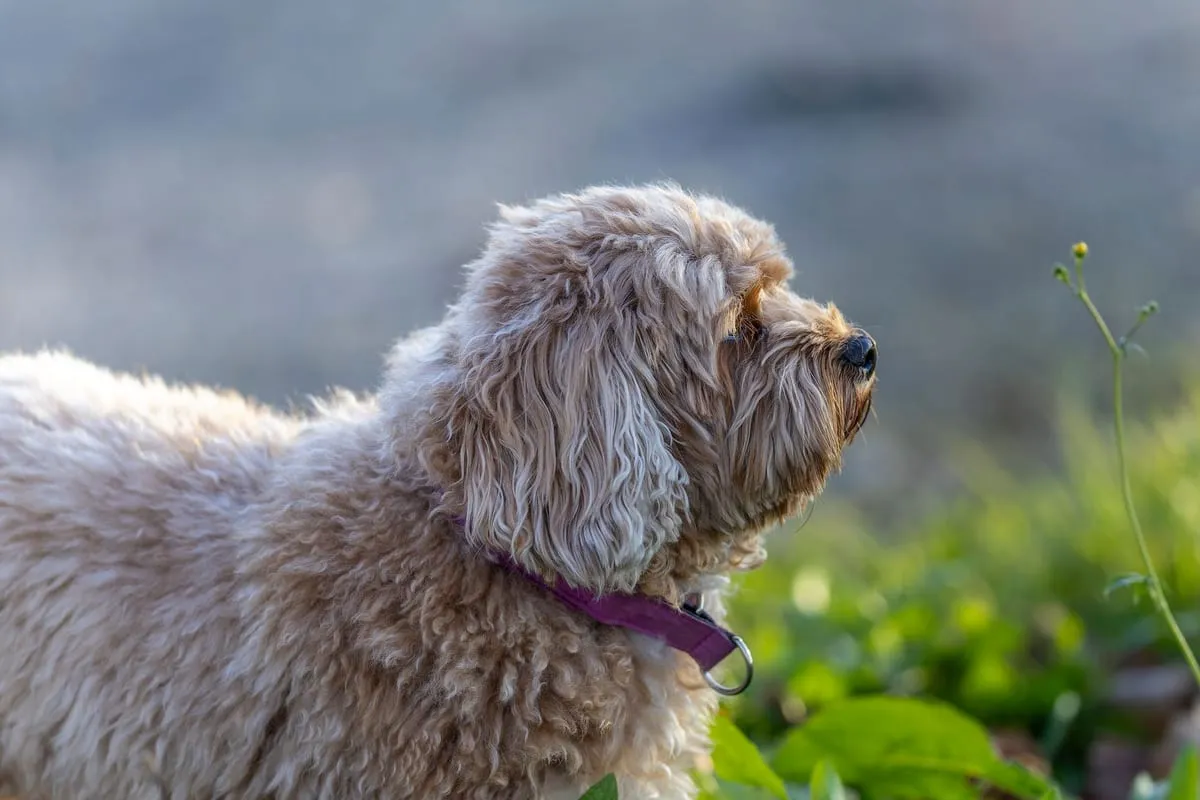
Keep the day small. Family members can say hello one at a time, sitting on the floor. Friends, neighbors and other dogs can wait until your puppy knows their new home.
Friends can still meet your puppy online. A first photo with one of these new puppy captions shares the news while the house stays calm.
Puppies sleep a lot. When your puppy gets tired, let them nap in the crate or the bed, and take them out to the potty spot as soon as they wake up.
The first night
Put the crate or a small pen next to your bed. A worn T-shirt or a soft blanket that smells like home can help. Take your puppy out right before bed, then keep the lights low and the room quiet.
Your puppy may cry at first. If they wake up in the night, take them straight to the potty spot without play or talk, then back to bed. Each calm trip teaches that night time is for sleeping.
A simple routine for the rest of the week
Puppies learn fast when each day looks the same:
- Potty breaks: first thing in the morning, after every nap, after meals and play, and last thing at night.
- Meals: at about the same times every day, with the food your puppy already eats.
- Naps: puppies need plenty of sleep, so give them quiet crate or bed time between play.
- Training: a few minutes at a time, with soft treats: their name, sit and coming to you.
- Gentle handling: touch their paws, ears and mouth for a moment each day, with a treat, so grooming and vet visits feel normal later. A warm washcloth is all the first puppy bath needs.
Book your puppy’s first vet visit for this week, and bring the papers from the breeder or shelter.
Short times alone
Start teaching your puppy that being alone is fine while you’re still at home. After a potty break and a little play, settle them in the puppy area or the crate with a chew toy, step into another room for a few minutes, and come back calmly before they get upset.
Make the time a little longer each day. Leaving and coming back without a fuss shows your puppy that you always return, which makes the days you have to go out much easier.
When it feels like a lot
The first week can be tiring. Accidents, crying at night and chewing are all normal.
Keep the routine, keep the puppy area small, and reward what you want to see more of. It gets easier as your puppy learns where things happen.