12 Week Old Puppy Schedule, Hour by Hour
A sample 12 week old puppy schedule from wake-up to bedtime, with potty breaks, meals, crate naps, play and short training. Change the times to fit your day.
Published
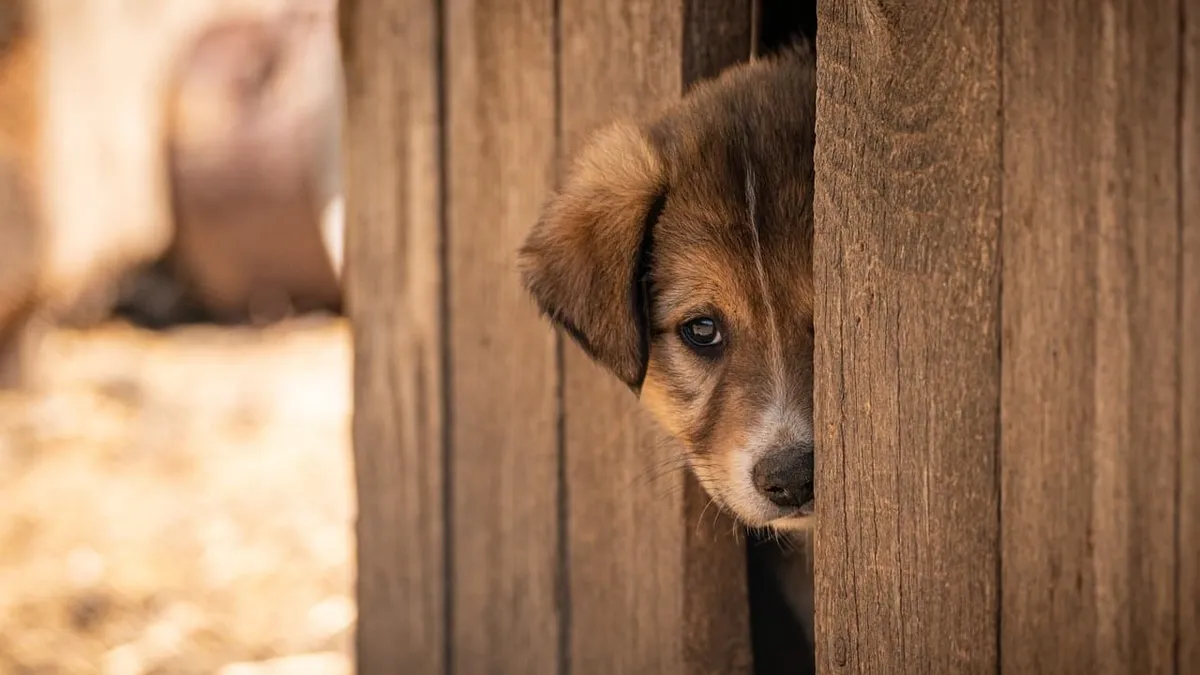
12 week old puppy schedule
Your puppy's day
12 weeks old, up at 6:30 am, bed at 9:30 pm
- 6:30 am Wake up and potty break
- 6:45 am Breakfast
- 7:00 am Potty break after the meal
- 7:15 am Play and a few minutes of training
- 7:30 am Potty break
- 7:45 am Nap in the crate or pen
- 9:00 am Potty break after the nap
- 9:15 am Play and a few minutes of training
- 10:00 am Potty break
- 10:15 am Nap in the crate or pen
- 11:30 am Potty break after the nap
- 11:45 am Lunch
- 12:00 pm Potty break after the meal
- 12:15 pm Play and a few minutes of training
- 12:30 pm Potty break
- 12:45 pm Nap in the crate or pen
- 2:00 pm Potty break after the nap
- 2:15 pm Afternoon meal
- 2:30 pm Potty break after the meal
- 2:45 pm Play and a few minutes of training
- 3:00 pm Potty break
- 3:15 pm Nap in the crate or pen
- 4:30 pm Potty break after the nap
- 4:45 pm Play and a few minutes of training
- 5:30 pm Potty break
- 5:45 pm Nap in the crate or pen
- 7:00 pm Potty break after the nap
- 7:15 pm Dinner
- 7:30 pm Potty break after the meal
- 7:45 pm Play and a few minutes of training
- 8:00 pm Potty break
- 8:15 pm Nap in the crate or pen
- 9:15 pm Last potty break
- 9:30 pm Bedtime in the crate
- Potty breaks at least every 2 hours while your puppy is awake, and after every nap, meal and play session.
- 4 meals a day. Follow your vet's feeding plan for what and how much.
- If your puppy wakes up at night, take them out quietly, then straight back to bed.
What a 12 week old puppy's day looks like
At 12 weeks, around three months old, your puppy is awake a little longer and a lot more curious. The day still runs on the same loop: wake, potty, play or eat, potty, nap.
The difference is that breaks can spread out a bit, play lasts longer and there's room for a few minutes of training in each awake stretch.
The schedule above lays it out by the clock. Set your wake-up time and bedtime, add the hours you're away if you work outside the home, and the day moves with them.
If your puppy just came home
Many puppies come home around this age. Keep the first days small and quiet, with the potty spot, the puppy area and plenty of naps.
Follow the schedule loosely at first while your puppy settles in. Within a few days, most puppies start to know the routine.
If your puppy has been home a while
A puppy who came home at eight weeks usually knows the basics by now. This is a good time to build on them: a steadier routine, short training sessions and a few new places, with your vet's OK.
Potty breaks and meals
At 12 weeks, potty breaks and meals still shape the day. Keeping them regular is what makes potty training click.
Potty breaks every couple of hours
A 12 week old puppy can usually wait about 2 hours between potty breaks while awake. They still need to go out right after waking up, eating and playing, and before every nap.
Keep using the same spot and the same word, and reward right at the spot. Accidents still happen, so clean them with an enzyme cleaner and go out a little more often for a day or two.
The potty training guide covers how the breaks spread out as your puppy grows.
Meals at 12 weeks
Most puppies this age still eat 4 small meals a day. After 12 weeks, most move to 3 meals a day; your vet can tell you when.
Keep the food your puppy already eats and follow your vet's feeding plan for how much. Give the last meal at least 2 hours before bed, so nights go more smoothly.
Crate time, naps and play
A 12 week old puppy still sleeps a lot, in naps between play and meals. The crate or pen is the place for those naps, and a calm spot for the times you can't watch your puppy.
Crate time at 12 weeks
During the day, keep crate stays to about 2 hours at most at this age, between potty breaks and play. Naps are an easy time to use the crate, since your puppy is ready to sleep anyway.
If your puppy still fusses in the crate, go back a step and make it a happy place again with treats and meals inside. The guide to crate training a puppy walks through it, with a chart by age.
Play and chewing
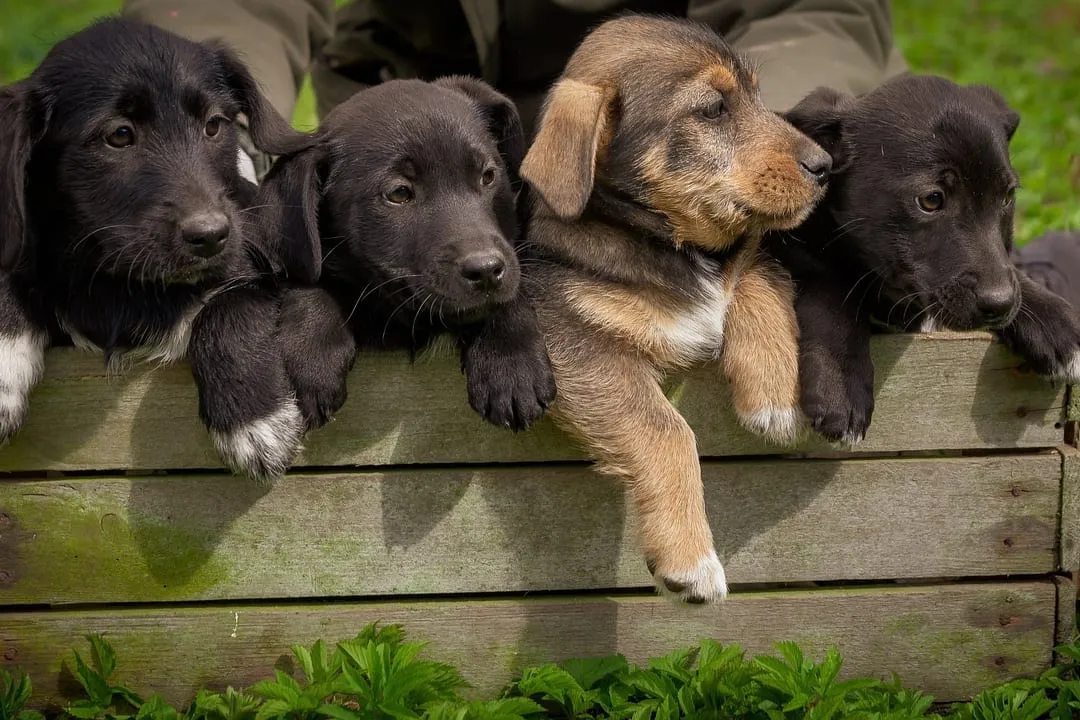
Puppies this age love to chew. Keep a few safe chew toys in each room and swap them often, so there's always something better than your shoes.
Play in short bursts: a toy to chase, a gentle tug game, a sniffing game with treats. When play gets wild or bitey, it's usually time for a potty break and a nap.
Training at 12 weeks
Twelve weeks is a great age to build on the first lessons. Keep sessions to a few minutes, use small soft treats, and end while your puppy is still keen.
Cues to work on
Their name, sit and come are the place to start, then down and a short stay. The dog commands guide has simple steps for each.
Practice a little in each awake stretch instead of one long session. Two or three short rounds a day add up fast.
Use the same words as everyone else at home, so your puppy hears one word for each thing.
Walking on a leash
Let your puppy wear a light collar or harness and walk on a leash at home and in the yard first. Reward them for staying near you, and stop and wait when the leash pulls tight.
Biting and mouthing
Mouthy play is normal at this age. When teeth touch skin, say "ouch" calmly, stop the game for a moment and offer a chew toy instead.
New things, people and places
The weeks around three months are a good time to show your puppy the world gently. Short, happy meetings with new people, sounds and surfaces help them grow up confident.
Meeting the world safely
Ask your vet when your puppy can meet other dogs and visit busy places. Until then, carry them on short outings, invite calm friends over and let them watch the world from your arms.
Pair each new thing with a treat and let your puppy go at their own pace. If they seem worried, give them more distance and try again another day.
Good first outings are calm ones: a quiet street from your arms, a friend's garden, the car parked in the driveway. Keep them short and end before your puppy gets tired.
Handling and grooming
Keep touching your puppy's paws, ears and mouth for a moment each day, with a treat. Add a few strokes of a soft brush, so grooming becomes part of the routine.
Nights and your own routine
By 12 weeks, many puppies sleep longer stretches at night, though some still need one quiet trip outside. Keep the crate next to your bed for now.
Take your puppy out right before you turn in. If they wake and fuss, carry them to the potty spot, keep it calm and boring, and go straight back to bed.
Working with a 12 week old puppy
With breaks every couple of hours, a workday at home is easier than it was at eight weeks. Plan calls around nap slots and keep the crate or pen nearby.
If you work away from home, the schedule above shows what fits. A dog walker or a neighbor can cover the midday potty break.
When the schedule doesn't fit
Some puppies need to go out more often, and some sleep longer. Watch your puppy and move the breaks to match: sniffing the floor or circling means it's time to go out.
The 8 week old puppy schedule shows how far your puppy has come, and the puppy schedule updates for every age as they grow.
Frequently asked questions
How often does a 12 week old puppy need to pee?
While awake, about every 2 hours, and right after waking up, eating and playing. Some puppies this age still need one quiet trip outside at night.
How many times a day should a 12 week old puppy eat?
Usually 4 small meals a day, moving to 3 after 12 weeks. Keep the food your puppy already eats and follow your vet's feeding plan for how much.
How long can a 12 week old puppy be in a crate?
During the day, no longer than they can wait for a potty break, which is about 2 hours at this age. Overnight they sleep in the crate, with a trip outside if they wake up needing to go.
What should I teach my 12 week old puppy?
Their name, sit, come and down, plus walking on a light leash and calm handling. Keep sessions to a few minutes and end on a success.
Save it for later
Pin this page so it's there when you need it.