Potty Training a Puppy in Simple Steps
How to potty train a puppy: how often to go out at each age, the moments that need a trip outside, what to do after an accident and how nights work.

By Maren Whitlock · Published
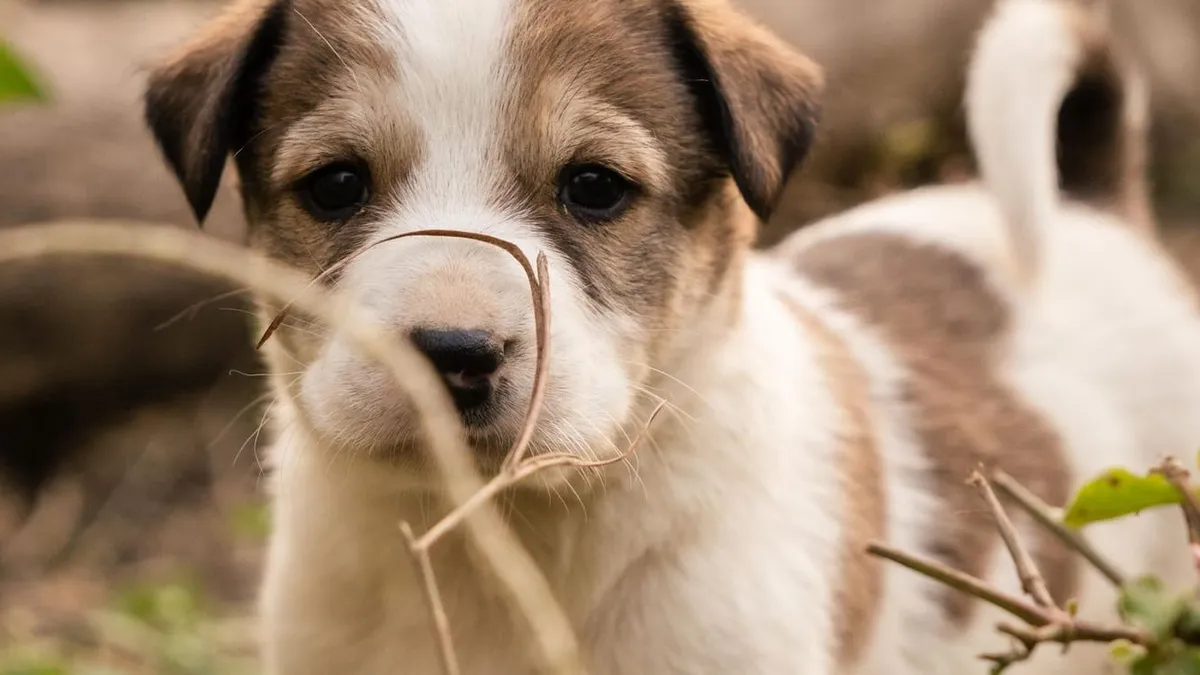
Potty break chart by age
| Age | Potty break while awake |
|---|---|
| 8 to 9 weeks | Every hour |
| 10 to 12 weeks | Every 2 hours |
| 3 months | Every 3 hours |
| 4 months | Every 4 hours |
| 5 months | Every 5 hours |
| 6 months and older | Every 6 hours |
Plus a break first thing in the morning, last thing at night, and after every nap, meal and play session.
Potty training a puppy comes down to timing. Take your puppy outside before they need to go, reward them the moment they go in the right place, and keep them close enough to watch the rest of the time. The chart above shows how long a puppy can usually wait between potty breaks at each age.
How often your puppy needs to go out
A young puppy’s bladder is small, and the gap between potty breaks grows slowly with age. While awake, a puppy under 10 weeks needs a trip outside about every 1 hour, and a puppy of 10 to 12 weeks about every 2 hours. From 3 months on, add about an hour for each month of age, up to 6 hours.
Treat these times as the longest stretch, not the goal. Many puppies need to go sooner, especially small breeds, and the puppy schedule maker plans the breaks around your puppy’s age and your day.
A tiny breed like the Chihuahua may need breaks even more often, so keep the potty spot close and the routine steady.
The moments that need a trip outside
Besides the clock, some moments almost always lead to a potty break. Take your puppy out:
- first thing in the morning, before anything else
- right after a nap or time in the crate
- soon after a meal or a big drink of water
- after play, chewing or training
- last thing before bed
If your puppy starts sniffing the floor, circling, whining or heading for the door, go out right away, even if the last break was recent.
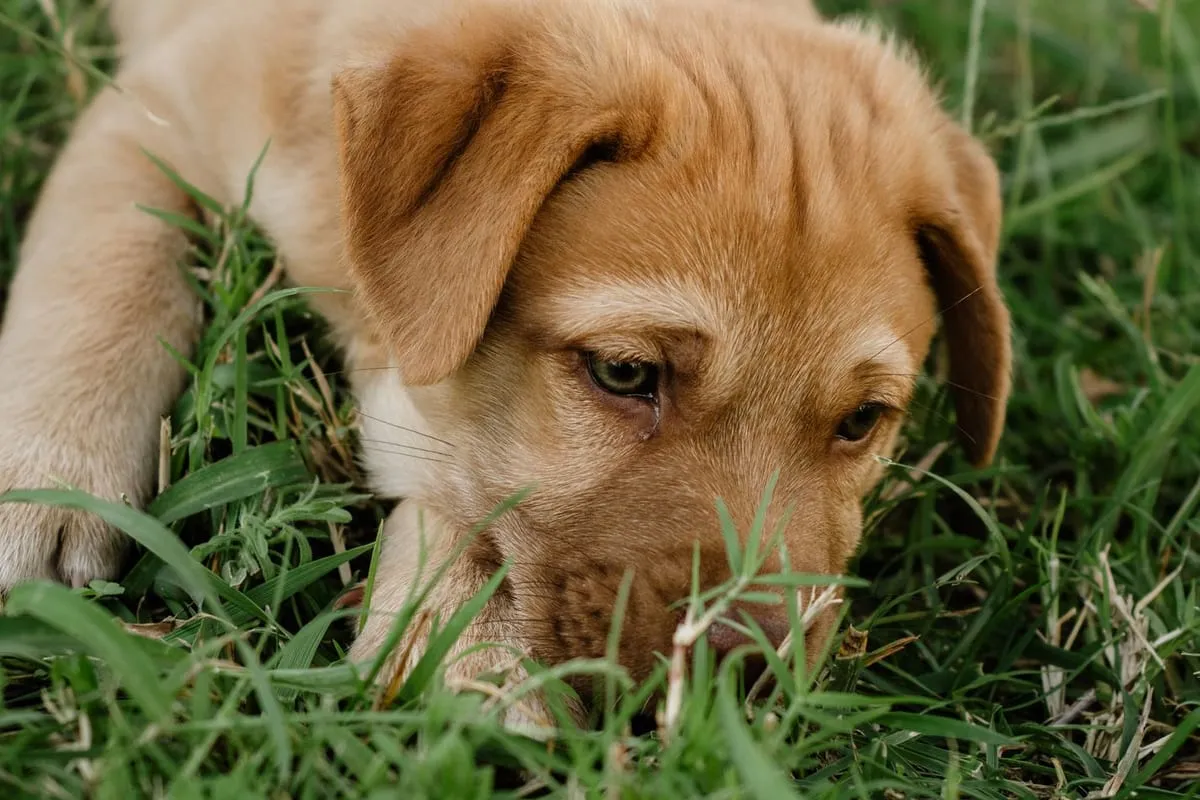
Some puppies give quieter signs: wandering off to a corner, stopping in the middle of play, or suddenly getting restless after a nap. Watch your puppy for a few days and you’ll learn their own signals.
When in doubt, go out. A trip that ends with nothing costs you two minutes; a missed one costs you a clean-up.
Five steps to potty train a puppy
- Pick one potty spot. Take your puppy to the same place outside every time. The smell of earlier trips tells them what the spot is for.
- Go out on a leash. A leash keeps your puppy at the spot instead of exploring. Stand still, stay quiet and give them a few minutes.
- Add a cue word. Say a short phrase like “go potty” while your puppy goes. In time, the phrase helps them go on cue, which is handy before a car ride or bedtime.
- Reward right away. Praise and give a small treat the moment your puppy finishes, while you’re still at the spot. A reward back in the house comes too late to make the link.
- Then play. After a success, a few minutes of play or a short walk makes going quickly worth it. If nothing happens after a few minutes, go back inside, keep your puppy close and try again soon.
When your puppy is inside
Most accidents happen when no one is watching. Keep your puppy in the same room as you, behind a gate or in a playpen, or on a light leash tied to your belt. When you can’t watch them, a crate or a small puppy area with a bed is the safe choice, since most puppies avoid soiling the place they sleep.
Give your puppy more of the house slowly, one room at a time, once they go a good while without accidents.
A bell or a signal at the door
Many puppies learn to ask to go out. Hang a bell on a string by the door you use for potty breaks, at the height of your puppy’s nose. Each time you go out, touch the bell or let your puppy nudge it, then open the door.
In time your puppy rings it on their own. Only go out for potty when the bell rings, and keep the trip short and focused, or the bell turns into a way to ask for play.
Accidents, apartments and bad weather
Even with a good routine, there will be messy days. Here’s how to handle accidents, and the homes and weather that make potty training harder.
After an accident
Accidents are part of potty training. If you catch your puppy in the act, calmly say their name, pick them up or lead them outside, and praise them if they finish there.
If you find the mess later, simply clean it up. Your puppy won’t connect a scolding with something that already happened, and punishment only teaches them to go where you can’t see.
Clean the spot with an enzyme cleaner, which breaks down the smell. Regular cleaners can leave enough scent to draw your puppy back to the same place.
Apartments, pads and bad weather
If you live high up or don’t have a yard, a pee pad or a grass patch on a balcony or in a bathroom can help in the first weeks. Keep it in one place, take your puppy to it the same way you would to a spot outside, and reward them there. When you’re ready to move outside, take the pad or a piece of it with you to the new spot for a few days, so the smell tells your puppy what it’s for.
Rain, cold and wind put many puppies off going. Stay out a little longer, stand under cover near the spot if you can, and reward generously on wet days. A puppy who’s rushed back inside often goes the minute they’re on the rug.
Nights, setbacks and the long run
Potty training doesn’t stop at bedtime, and it rarely goes in a straight line. These parts take a little more patience.
Nights and time alone
At night, keep the crate next to your bed so you can hear your puppy wake up. Give the last meal at least 2 hours before bed, take your puppy out right before you turn in, and keep any night trip short and boring: out to the spot, a quiet word of praise and back to bed.
During the day, a puppy can’t hold it much longer at home alone than while awake with you. If you work away from home, plan for a sitter, a neighbor or a dog walker to come by for potty breaks.
Common setbacks
Most puppies have bad days. A new place, visitors, a change in routine or a stretch of bad weather can all bring accidents back for a while.
When that happens, go back a step: more trips outside, less freedom in the house and quick rewards at the spot, until things settle again. Small breeds often need a little longer and a few more trips out, so plan for that from the start.
Keep the routine going
Puppies learn at their own pace. A steady routine, the same potty spot and quick rewards do most of the work, so keep them going even after a run of good days.
Potty training is one part of the first months, and the puppy training schedule shows what else to teach alongside it, week by week. If accidents suddenly increase after weeks of progress, ask your vet.
For first commands and the rest of the early training, see the Training guide. For how long your puppy can stay in the crate at each age, see crate training a puppy.