Puppy Training Schedule by Age, Week by Week
A puppy training schedule by age from 8 weeks to 6 months and beyond: what to teach each week, from sit and come to leash walking, with a printable plan.

By Maren Whitlock · Published
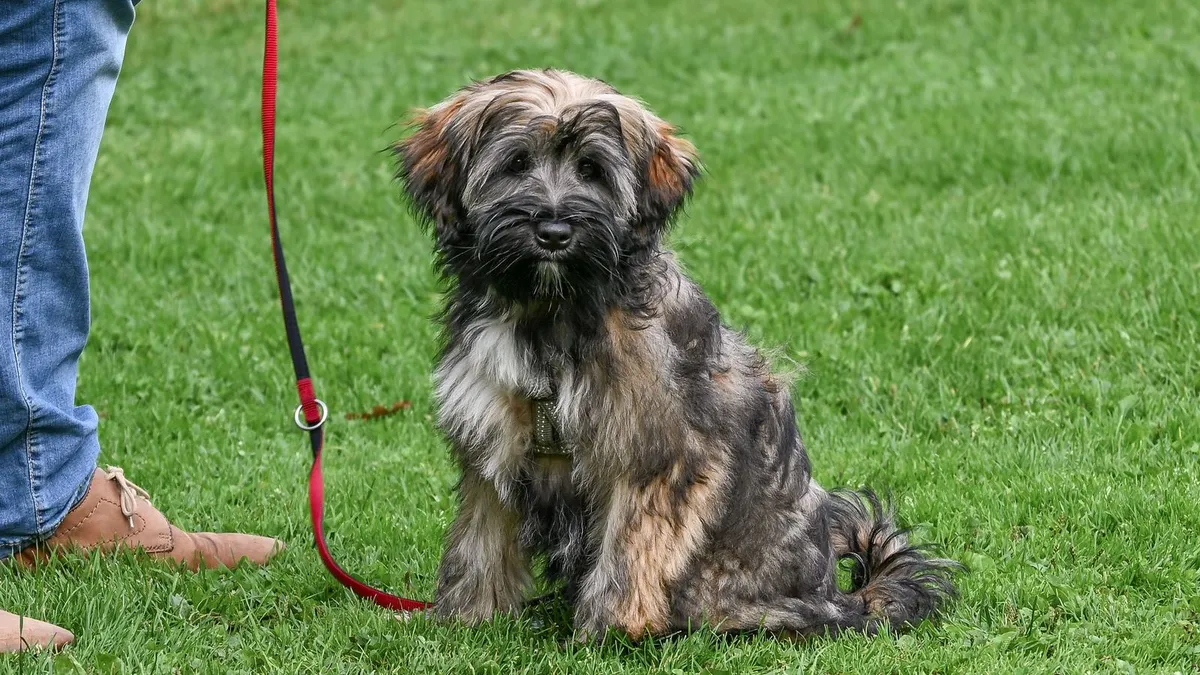
Puppy training schedule, week by week
Weeks 8 and 9: settling in
- Play the name game: say your puppy's name and reward the look
- Start sit, and ask for a sit before every meal
- Set up the potty and crate routine, with a break after every nap, meal and play
- Touch paws, ears and mouth gently during cuddles, with a treat
- Hear everyday sounds like the vacuum and the doorbell from a distance
Weeks 10 and 11: first cues
- Teach down with a treat lure
- Play recall games indoors: toss a treat, call, and reward the return
- Wear a collar or harness and a light leash around the house
- Swap in a toy when teeth touch skin, and pause play if biting goes on
- Meet new people at home, calmly and one at a time
Weeks 12 and 13: manners start
- Start stay with a short pause, then the release word
- Start leave it with a treat under your hand
- Take the first leash walks in the yard, rewarding a slack leash
- Leave your puppy alone for short spells in the crate or a pen
- Ask your vet when your puppy can join a puppy class and go to new places
Weeks 14 and 15: more of the world
- Teach wait at doors and before the food bowl goes down
- Teach drop it by trading a toy for a treat
- Ask for a sit to greet visitors instead of jumping up
- Visit new places, floors and sounds while your puppy is calm
- Brush and handle the paws for a minute at a time
Weeks 16 to 19: practice everywhere
- Build stay to a few seconds and a step or two away
- Practice come on a long leash outdoors
- Walk on a loose leash on quiet sidewalks
- Teach a settle on a mat or a bed
- Keep meeting new people, calm dogs and new places
Weeks 20 to 25: polish by 6 months
- Ask for a sit before food, play, walks and the door
- Call your puppy away from play, reward, and let them go back
- Practice leave it and drop it on walks
- Leave your puppy alone a little longer, with a chew
- Review sit, down, stay and come in busier places
6 months to a year: make it solid
- Practice sit, down and stay with distractions
- Work on come when called in a safe, fenced area
- Keep loose-leash walks steady in busier places
- Keep leave it and drop it sharp
- Add something new, like a class, tricks or a dog sport
- Keep each session to 5 to 10 minutes, a few times a day, and end on a win.
- Use treats, toys and praise as rewards, never punishment.
- Every puppy learns at their own pace, so go back a step when something is hard.
A puppy training schedule starts the day your puppy comes home, usually at about 8 weeks. Train in short sessions of 5 to 10 minutes, a few times a day, with treats and praise.
Up to about 16 weeks, the focus is on the world and simple manners. By 6 months, aim for steady house training, a happy recall, gentle play and short spells alone.
Pick your puppy’s age in the planner above to see the plan from there, week by week, and print it for the fridge.
How a puppy training schedule works
A good puppy training schedule is less about long lessons and more about small habits. Each stage below adds one or two new cues, a bit of manners and a few new experiences, and the earlier skills keep going as you add more.
Short sessions, every day
Puppies learn fast but tire quickly. A few minutes is plenty, and several short sessions spread through the day beat one long one.
End every session while your puppy is still keen. If a new step is hard, finish with something easy, like a sit, and a big reward.
Everyday life is training
Much of the plan happens outside formal sessions. Ask for a sit before the food bowl goes down, before a toy is thrown and before the door opens, and your puppy learns that polite manners make good things happen.
Rewards, not punishment
Use small, tasty treats, toys and praise. Yelling or rough handling makes a puppy unsure and slows learning, and a puppy who trusts you is far easier to teach.
Pick one word for each cue and a release word, like “free,” that ends it. The dog commands guide has simple steps for every cue in the plan.
Weeks 8 to 12, settling in
The first weeks at home are about trust, routines and the easiest cues. Your puppy is learning where to sleep, where to potty and who their people are, so keep lessons light and fun.
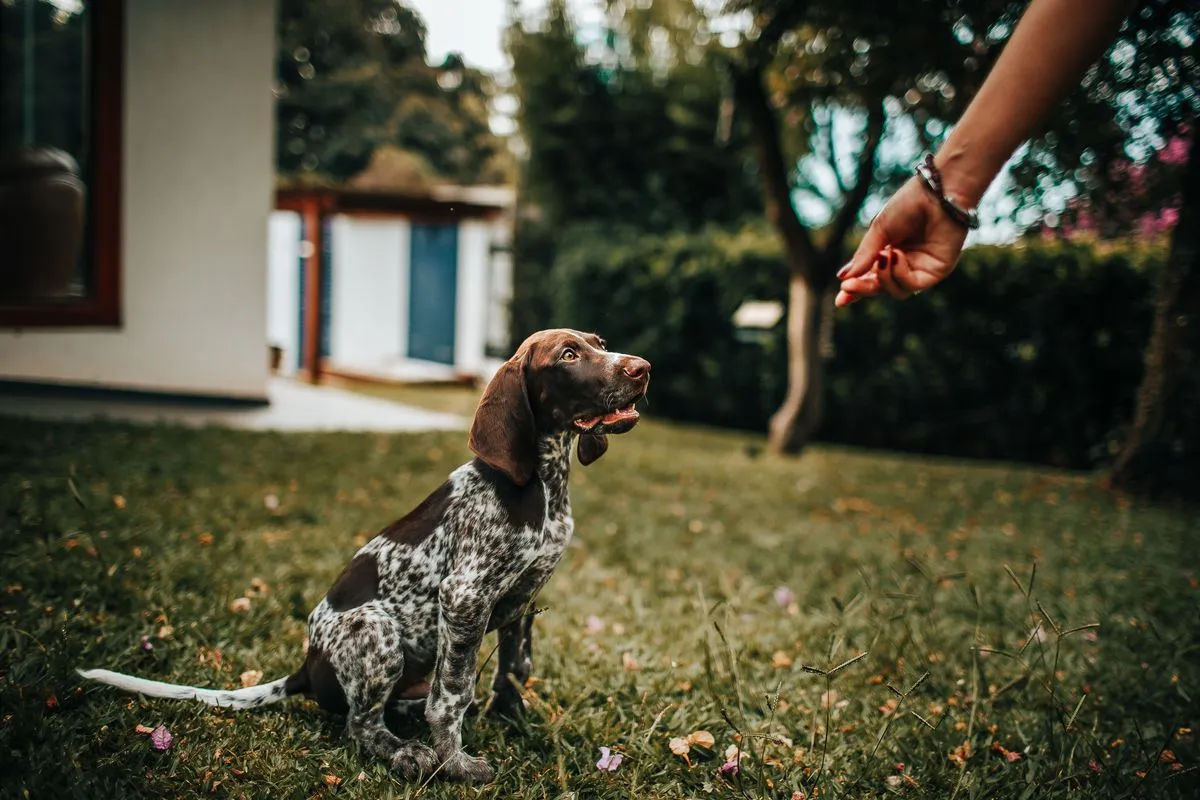
Weeks 8 and 9
Start with the name game. Say your puppy’s name once, and reward the moment they look at you.
Teach sit with a treat lure, and ask for a sit before every meal. This is the first lesson in impulse control, and it takes only seconds a day.
Set up the potty routine from the first hour, with a trip outside after every nap, meal and play session. The guide to potty training a puppy has a chart by age.
Touch the paws, ears and mouth gently during cuddles, with a treat each time. Let your puppy hear everyday sounds, like the vacuum or the doorbell, from a calm distance.
Weeks 10 and 11
Add down, using the same treat lure from the nose to the floor. Start recall games indoors: toss a treat, call your puppy back, and reward the return.
Let your puppy wear a collar or harness and drag a light leash around the house while you watch. When teeth land on skin, swap in a toy, and pause play if the biting goes on; the tips on puppy biting walk through it step by step.
Weeks 12 to 16, meeting the world
This is the busiest stretch of the plan. The socialization period ends at about 16 weeks, and the first 3 months are the most important time for a puppy to meet new people, animals, sounds and places.
Keep every new experience calm and short. The goal is a puppy who learns that the world is fun, not scary, so watch your puppy’s body and step back if they seem worried.
Weeks 12 and 13
Start stay with a short pause before the release word. Start leave it with a treat under your hand, rewarding your puppy for backing off.
Take the first leash walks in the yard, and reward every moment the leash is slack. Practice short spells alone in the crate or a pen, and the crate training guide shows how to build that time up.
Puppies can start socialization classes as early as 7 to 8 weeks. Ask your vet when your puppy can join one and visit new places.
Weeks 14 and 15
Teach wait at doors and before the food bowl goes down. Teach drop it by trading a toy for a treat, then giving the toy back.
Ask for a sit to greet visitors instead of jumping up. Brush your puppy and handle the paws for a minute at a time, so future grooming is easy, and these puppy bath tips make the tub a happy place too.
Months 4 to 6, practice everywhere
By now your puppy knows the basic cues at home. The next step is making them work in new places, with more going on around them.
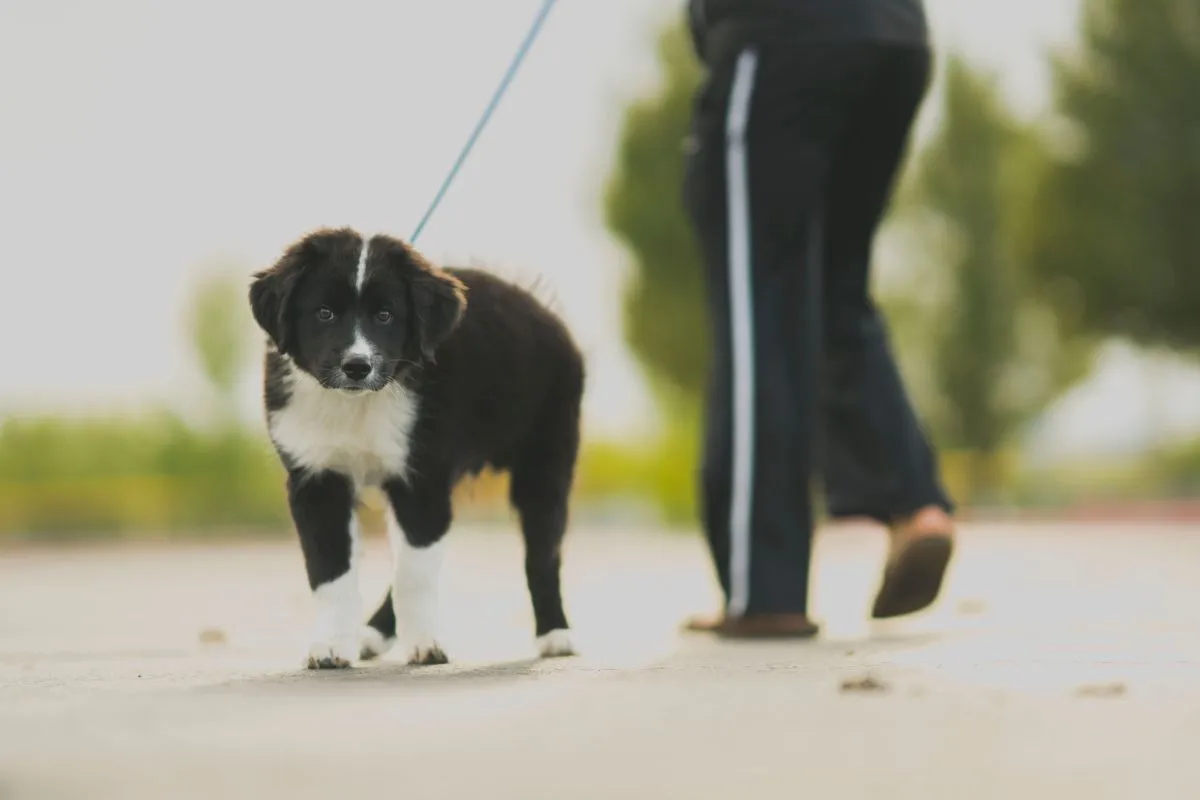
Weeks 16 to 19
Build stay to a few seconds and a step or two away. Practice come on a long leash outdoors, and make every return worth it.
Walk on a loose leash on quiet sidewalks, stopping when the leash goes tight and moving on when it’s slack. Teach a settle on a mat or a bed, so your puppy has a calm place to go.
Keep meeting new people, calm dogs and new places. Socialization doesn’t stop at the end of the early window; it just gets easier to keep up.
Weeks 20 to 25
Ask for a sit before food, play, walks and the door, so your puppy asks politely for everything they love. Call your puppy away from play, reward, and let them go back, so coming to you never means the fun is over.
Practice leave it and drop it on walks, and leave your puppy alone a little longer with a chew. By 6 months, most puppies are making steady progress with house training, recall, gentle play and time alone.
6 months to a year, making it solid
The second half of the first year is about reliability. Your puppy knows the cues, and now they learn to follow them with distractions, in busy places and at a distance.
The basics to aim for
By the first birthday, most dogs are well on their way with these everyday skills:
- Sit, down and stay, even with distractions around.
- Come when called, practiced off leash only in a safe, fenced area.
- Loose-leash walking on everyday walks.
- Drop it and leave it, wherever you are.
Teenage puppies
Many puppies seem to forget cues they knew well somewhere in these months. That’s normal, so go back to easier steps, use better rewards and keep sessions short.
A growing puppy also has more energy and more interest in the world around them. Long walks, sniffing time and play with calm dogs help them focus when it’s time to train.
Add something new to keep training fun, like a class, a dog sport or a few dog tricks. A puppy who enjoys learning keeps learning for life.
Fitting training into the day
The plan works best when training is part of the day, not an extra chore. Most of it fits around the meals, walks and naps you already have.
Tie sessions to the routine
Do a short session before each meal, when your puppy is keen for food, and another before a walk or a play session. Practice a cue or two during the walk itself, and ask for a sit at every door.
Part of each meal can come from your hand as training treats. Your puppy works for food they would eat anyway, so training never means extra snacks.
A puppy schedule by age shows where the meals, naps and potty breaks fall, so you can slot training in between them.
Share the plan
Everyone at home should use the same words and the same rules. Print the plan above and put it on the fridge, so each person knows what your puppy is working on this week.
When the plan slips
Every puppy learns at their own pace, and no plan fits every puppy perfectly. The ages are a guide, not a deadline, so move on when your puppy is ready and not before.
Go back a step
If your puppy struggles with a new step, it’s usually too big, the place is too busy or the reward isn’t worth the effort. Go back to the last step that worked, in a quieter place, with a better treat.
Don’t repeat a cue over and over. Say it once, help your puppy succeed, and try again later.
Catch up from any age
If your puppy came home older, pick their age now in the planner and start there. Fold in the earlier skills as you go, starting with the name game, sit and a happy recall.
If your puppy seems fearful of people, dogs or new places, ask your vet for advice, and a trainer who uses rewards can help with the next steps. For the whole picture of the first months, start with the Training guide.