Dog Barking Causes and How to Stop It
Why dogs bark and how to stop dog barking calmly: find the reason, manage the triggers, teach a quiet cue, and handle window, door, crate and alone barking.

By Maren Whitlock · Published

Dog barking is normal, but too much of it usually has a reason you can fix. Work out why your dog barks, take away or manage the trigger, and reward quiet instead of the noise.
Expect less barking, not none. Barking is how dogs talk, and the goal is a dog who barks a little and then settles, not a silent one.
Why dogs bark
Every bark has a purpose, even when it doesn’t seem that way. Watch when your dog barks, what they’re looking at and what their body is doing, because the fix depends on the reason. A dog body language chart makes those body signals easier to read.
Alarm and territory
Many dogs bark at people, animals or noises near the home, the yard or the car. The body is often stiff and leaning forward, and the barking says “something’s out there.”
Greeting
A greeting bark comes with a loose, wiggly body and a wagging tail, sometimes with a little whining. It’s happy noise, just a lot of it.
Attention and demands
Some dogs bark to get something: food, play, a walk or to be let out. If barking has worked before, the dog has learned to try it again.
Boredom and frustration
A dog without enough to do may bark to fill the time. Others bark when they can’t reach something they want, like a squirrel or another dog across the street.
Joining in
Dogs often bark when they hear other dogs bark, even far away. One dog down the street can set off the whole neighborhood.
How to stop dog barking, the basics
These steps work for most kinds of barking. Use them together, and ask everyone at home to do the same, since mixed signals slow things down.
Find the reason
Keep notes for a few days on when your dog barks and at what. The pattern usually points straight to the cause, and to the fix.
Manage the triggers
If you can take away the trigger, do. Close the curtains, move your dog to a quieter room, or play music or the radio to mask outside sounds.
Reward quiet
Catch your dog being quiet and reward it, especially in moments when they’d usually bark. A treat, a calm word or attention for silence teaches far more than any scolding.
Don’t reward the barking
Barking that brings food, play or attention keeps going. Wait for a moment of quiet before you give your dog what they want, even if it’s only a second at first.
Plenty of exercise
A tired dog barks less from boredom and frustration. Daily walks, games like fetch and food toys help, and these dog enrichment ideas add mental work that takes the edge off.
Teaching a quiet cue
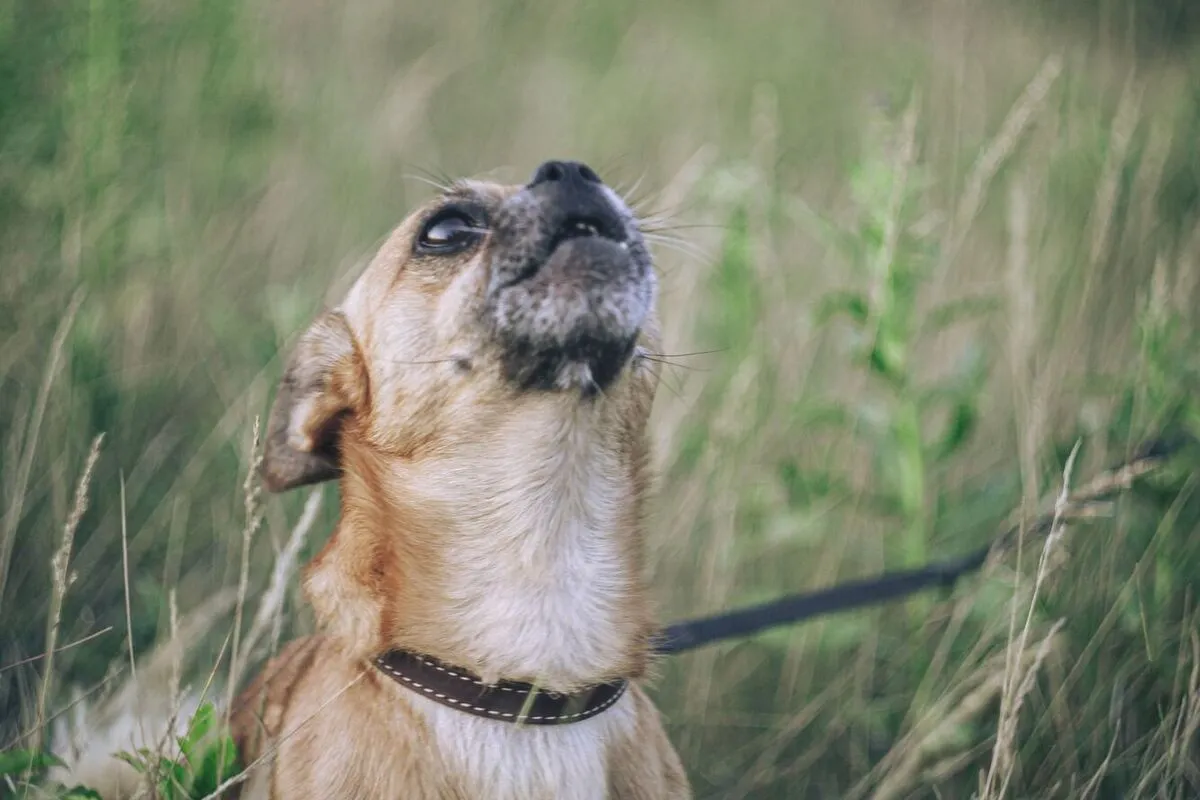
A quiet cue gives you a calm way to ask for silence. It takes patience, and it works best alongside the basics above, not instead of them.
The steps
- Have tiny treats ready. When your dog barks, walk up calmly and say “quiet” once.
- Hold a treat near their nose. Most dogs stop barking to sniff it.
- The moment they’re quiet, wait about 2 seconds, then give the treat.
- Over several days, slowly make the wait longer, up to about 20 seconds of quiet before the treat.
- Practice in easy moments first, then with small triggers, and only later with the big ones.
Keep it calm
Say the cue in a normal voice, not a shout. If your dog starts barking again before the treat, wait for quiet and try a shorter delay next time.
When it isn’t working
If your dog still doesn’t respond after 10 or more tries, ask a certified trainer or behavior professional for help. Some barking needs a plan built around that particular dog.
Barking at the window and the door
Window and doorbell barking are two of the most common kinds, and both respond well to a mix of management and training.
At the window
Block the view of the street with curtains, blinds or a frosted window film, or keep your dog out of the room with the best view. Less to see means less to bark at.
Don’t cheer your dog on with “Who’s there?” or by rushing to the window with them. That turns a passing jogger into a big event.
At the door
Teach your dog to go to a bed or a mat when someone arrives. Toss a treat onto the bed and cue your dog to go there, and practice until it’s easy.
Next, open the door while your dog stays on the bed, closing it again if they get up. Then add a knock or the doorbell, rewarding your dog each time they stay put, and use a leash to guide them back if needed.
Low-key greetings
Keep your own hellos calm when you come home. Wait for four paws on the floor and a quiet moment before you say hello, so excitement doesn’t turn into a barking welcome.
Attention barking and the crate
Demand barking stops when it stops working. That means no eye contact, no talking and no scolding while your dog barks, since even a stern “no” counts as attention.
Teach another way to ask
Give your dog a better way to get what they want. Some dogs learn to ring a bell at the door to go out, and others to lie down or bring a toy when they want play.
Barking in the crate or behind a gate
Never let a dog out while they’re barking. Wait for quiet, even for a second, then open the door or hand over a new food toy.
Slowly ask for longer quiet before the reward, and mix up the times, so your dog can’t simply wait you out. Short, then longer, then short again works well.
Puppies
Puppies don’t grow out of barking on their own, so start good habits early. The steps for crate training a puppy build calm crate time, and a quiet puppy gets let out, never a barking one.
Barking at other dogs and on walks
Some dogs bark at other dogs, bikes or people on walks. The aim is to help your dog feel calm near the trigger, one small step at a time.
Start at a distance
Find the distance where your dog notices the trigger but stays quiet. Feed treats steadily while the trigger is in view, and stop when it’s gone.
Move a little closer only when your dog stays relaxed. If they bark, you’re too close, so back up and go more slowly; this can take days or weeks.
Practice with a friend
A friend with a calm dog makes practice easier. Have them stand far away or out of sight, then walk into view while you treat, and repeat many times before you close the gap.
Greeting barks on walks
For a dog who barks because they want to say hello, hold a favorite toy or treats and help them walk past calmly. Reward them for looking at you instead of barking.
Barking when left alone
Barking while you’re out often comes from boredom. Exercise before you leave, a food puzzle to work on, and familiar sounds like the radio can make the time alone much calmer.
Close the blinds so passersby don’t set off alarm barking. A midday walk from a friend or a dog walker can break up a long day.
Practice short absences
Practice leaving for a few minutes at a time while your dog has a food toy, and come back before the barking starts. Keep comings and goings calm, so your leaving isn’t a big event.
When it’s more than boredom
A dog who barks only when alone and seems truly upset whenever you leave needs more than the tips here. Boredom fixes won’t help a dog who is distressed about being apart from you.
Talk to your vet and a certified trainer or behaviorist who works with dogs that struggle when left alone. They can build a step-by-step plan for your dog.
Mistakes that make barking worse
Some reactions feel natural but keep the barking going. Skip these, and the steps above work faster.
Yelling
Shouting at a barking dog sounds like joining in. Stay calm and quiet, and save your voice for the quiet cue and for praise.
Mixed messages
If one person rewards barking and another scolds it, your dog can’t learn. Agree at home on what you’ll do and stick to it.
Rushing
Moving too close to a trigger too soon sets training back. Slow, steady steps get there faster in the end.
Punishment and anti-bark collars
Punishment can make fearful or anxious barking worse. Anti-bark collars are punishment devices and aren’t a first choice, and a muzzle should never be used to keep a dog quiet.
Expecting silence
No dog should be silent all the time, and a quick bark at a knock is fair. Aim for a dog who barks a little and then settles, and reward that.
When to get help
Start with your vet if barking is new, sudden or severe, or if your dog might be in pain. A change in behavior can have a medical cause, and that comes first.
For barking that comes with growling, lunging, snapping or bites, or barking that looks fearful or compulsive, work with a certified trainer or behaviorist. The same goes if the steps here haven’t helped after a fair try.
A good trainer watches your dog in real life, finds what sets off the barking and gives you a plan to follow at home. Look for one who uses rewards rather than punishment.
Breeds that like to talk
Some breeds bark more than others, so a breed’s habits are worth knowing before you choose a dog. The Chihuahua, for example, is known for frequent barking and benefits from early socialization. The Dachshund, bred to bark from underground, has a big, houndy voice too.
Keep going
Barking habits change slowly, especially ones a dog has practiced for a long time. Stay calm, consistent and generous with rewards for quiet, and the noise level will come down.