Dog Enrichment Ideas for Every Day
Easy dog enrichment ideas for home and outside: sniffing games, chew toys, puzzles, play and new places, with a printable checklist to try them one by one.

By Maren Whitlock · Published
Dog enrichment ideas checklist
0 of 25 tried
Dog enrichment means giving your dog things to sniff, chew, solve and explore, so their mind gets a workout along with their legs. Most ideas take a few minutes and things you already have at home.
The checklist above groups easy ideas by type. Tick each one your dog has tried, then print it or save it as a PDF to keep new ideas coming.
What dog enrichment means
Dogs are made to sniff, chew, chase, dig and search for food. Enrichment gives them safe ways to do those things, so a day at home isn’t the same few hours of waiting.
It doesn’t need to be fancy. A slow walk where your dog can sniff, a meal served in a food toy or a game of find it all count, and many of them take less time than a regular walk.
A dog who gets enough to do is often calmer at home. Without it, many dogs make their own fun, and you may not like their choices.
High-energy working breeds like the Border Collie and the Australian Shepherd need this even more, since a bored herding dog soon invents its own jobs.
Signs of a bored dog
A bored dog often chews things they shouldn’t, like shoes, cushions or furniture. Some dig in the yard, tip over the trash or bark for no clear reason, and more to do is often the first step to stop dog barking that comes from boredom.
Others follow you around, jump up for attention or can’t seem to settle. If your dog panics whenever they’re left alone, that may be more than boredom, so ask your vet or a trainer.
Sniffing and searching games
Sniffing is one of the easiest and most calming kinds of enrichment. A dog’s nose is far more powerful than ours, and using it gives them a real mental workout.
Sniff walks
On a sniff walk, your dog sets the pace. Let them stop, sniff as long as they like and choose which way to go, as long as it’s safe.
A harness and a longer leash give your dog more room to explore. A slow, sniffy walk can tire a dog out as much as a longer, brisker one.
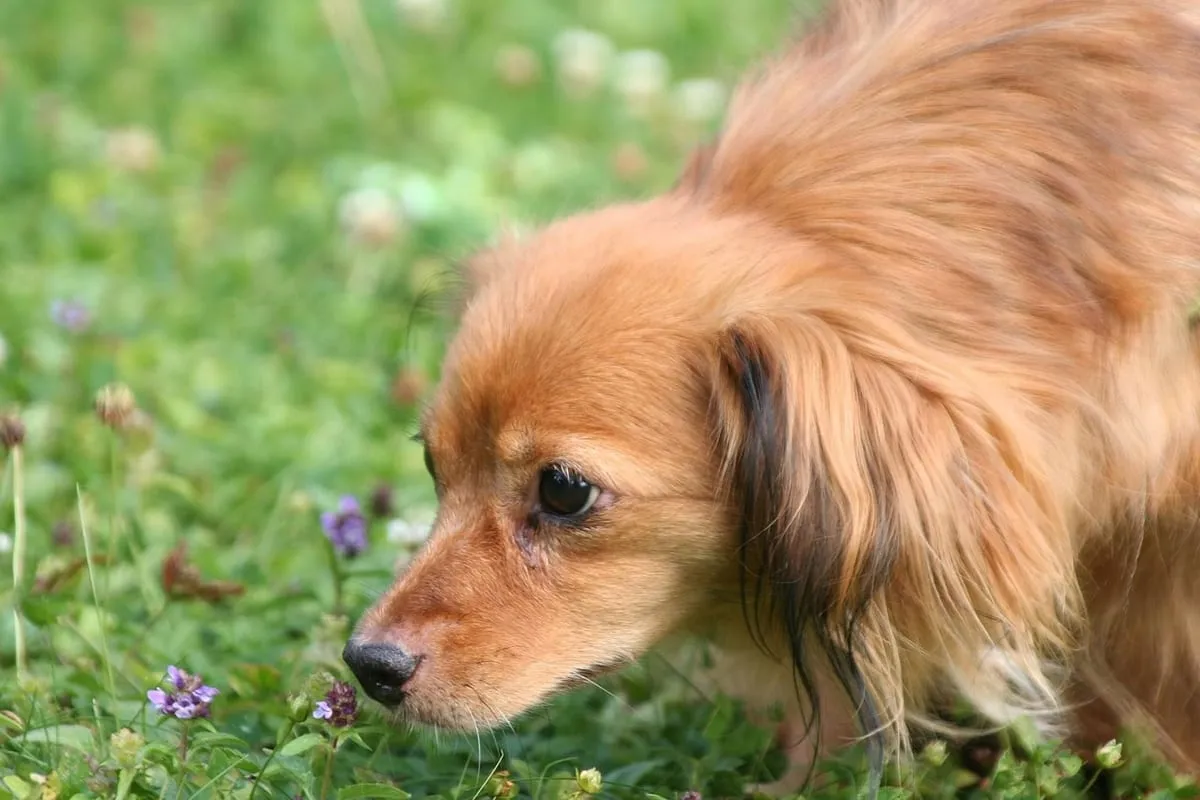
Find it
Say “find it” and toss a treat on the floor where your dog can see it. Once they get the idea, toss it a little farther, then hide it behind a chair while they watch.
Build up slowly until your dog searches a whole room. Hiding a favorite toy works the same way, and so does scattering part of a meal in the grass.
Snuffle mats and cups
A snuffle mat is a shaggy mat with pockets where you hide kibble, and your dog noses through it to find each piece. It’s a good first food game, and it slows down fast eaters.
For the cups game, put a treat under one of three upturned cups, shuffle them and let your dog pick. Lift the cup they nose or paw, and reward the right one.
Chewing and licking
Chewing and licking are calming for dogs, and they give a busy mouth something better to do than your shoes. A good chew can keep a dog happily busy while you cook or work.
Chew toys
Pick a sturdy chew toy sized for your dog, big enough that it can’t be swallowed. Check it often, and throw it away once pieces start to break off.
Your vet can tell you which chews suit your dog. Always watch your dog with a new chew until you know how they handle it.
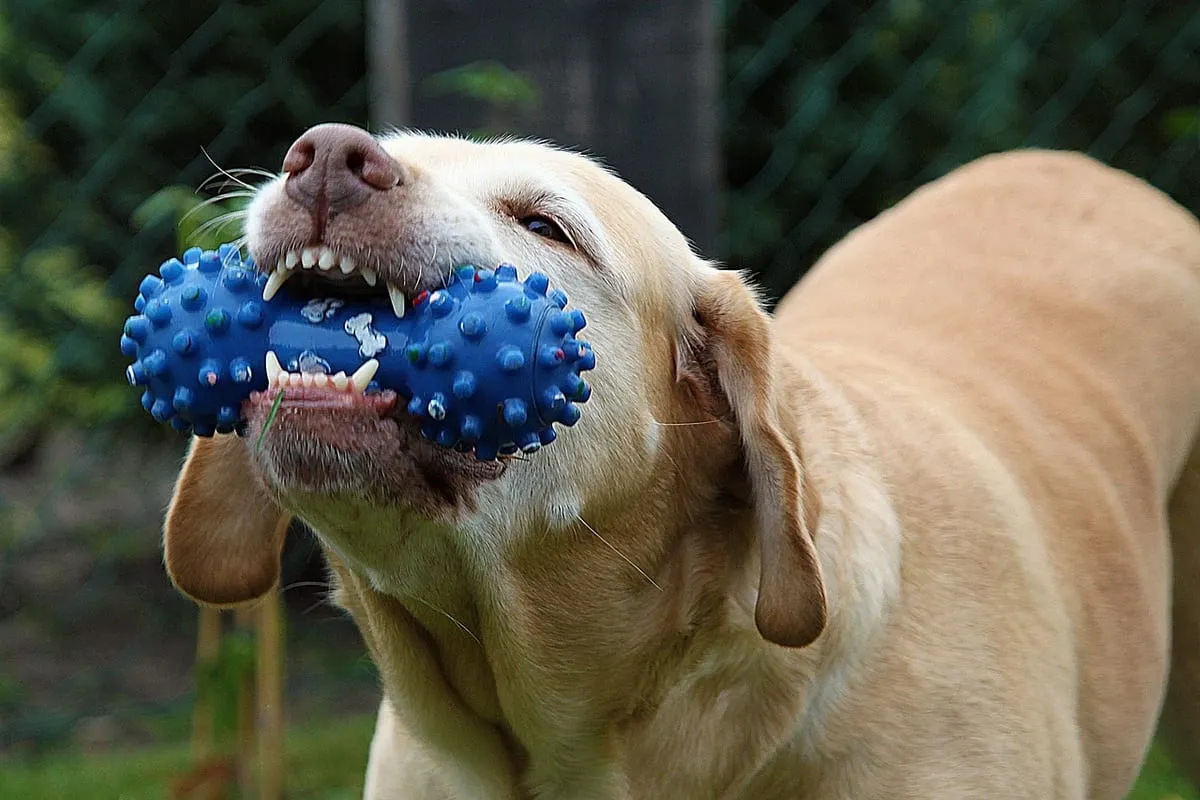
Food toys and lick mats
A food toy is a rubber toy with a hollow inside that you fill with part of your dog’s meal. Your dog licks and chews to get the food out, which takes far longer than eating from a bowl.
Freezing the stuffed toy makes it last even longer. A lick mat with a thin layer of soft food works the same way for dogs who like to lick.
Brain games and training
Learning new things is enrichment too. A few minutes of training or a puzzle can tire a dog’s mind more than you’d expect.
Tricks and cues
Every new trick is a small puzzle for your dog. Short sessions with treats keep it fun, and the guide to dog tricks has step-by-step ideas from easy to show-off.
Some dogs can learn the names of their toys. Start with one toy, say its name as you play and reward when your dog picks it, then add a second toy.
Puzzle toys
Puzzle toys hide treats under flaps, sliders or lids. Start with an easy one and help your dog at first, so they don’t give up.
A treat ball that drops kibble as it rolls is another simple puzzle. So is the muffin tin game, with a treat in a few cups and a tennis ball on top of each one.
Hide and seek
Ask your dog to stay, or have someone hold them, while you hide in another room. Call their name once and praise them when they find you.
Start with easy spots in plain view, then make them harder. It’s a great game for rainy days, and it practices coming when called.
Play together
Play is enrichment that also builds your bond. A few short games a day keep most dogs happy and give them a healthy outlet for energy.
Tug and fetch
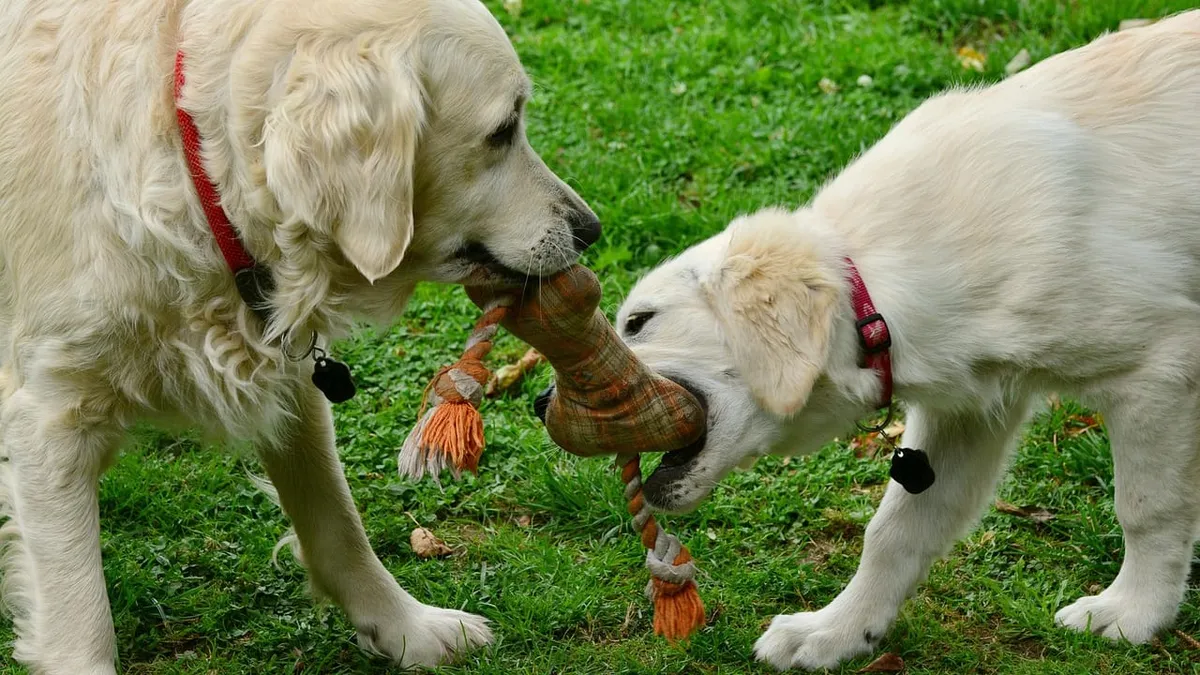
Tug is a great game when it has rules. Teach a “drop it” cue, pause the game if teeth touch skin and start it again once your dog lets go.
Fetch works for many dogs, with a ball or a soft toy. Mix in a sit or a wait before each throw to add some thinking to the running.
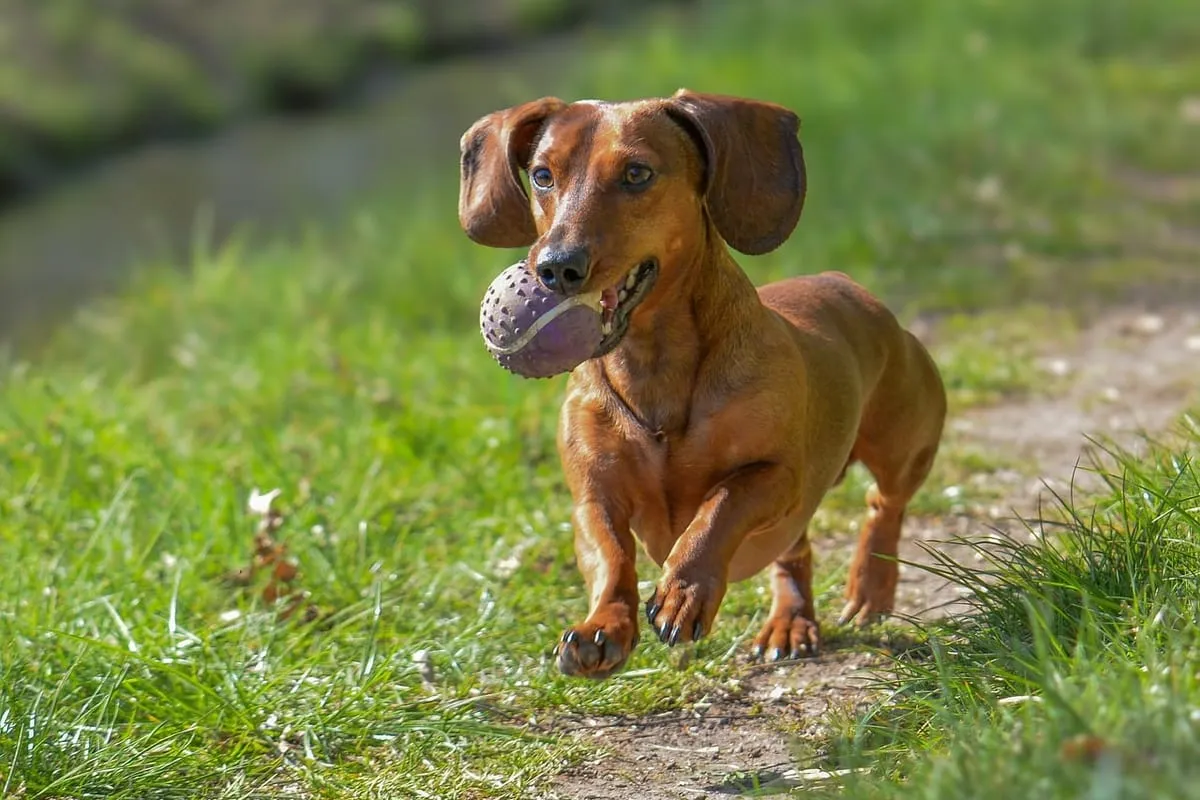
Rotating toys
Dogs get bored with the same toys. Keep a few out and put the rest away, then swap them every few days.
A toy your dog hasn’t seen in a while often feels new again. It’s an easy way to keep play fresh without buying more.
A mini obstacle course
Set up a few chairs to weave between, a broom on the floor to step over and a blanket to walk across. Lure your dog through with a treat and praise each step.
Keep it low and simple, with no high jumps. It’s a fun way to build confidence and practice following your lead.
New places and faces
New sights, sounds and smells are some of the richest enrichment there is. Even a short trip somewhere different gives your dog a lot to take in.
New routes and open spaces
Walk a different route now and then, or drive to a quiet park or trail. A long line in a quiet, open space gives your dog more room to explore while staying safe.
Sometimes doing nothing is enough. Sit on a bench with your dog and let them watch people, birds and cars go by.
Friends and classes
Some dogs love a playdate with a friendly dog they know. Keep it short and calm, and step in if either dog seems worried. A shy dog may prefer a walk side by side instead.
A class gives your dog something new to learn with you. Scent work and beginner agility suit many dogs, and the dog commands your dog already knows give them a head start.
Fitting enrichment into your day
Enrichment works best as a little, often, rather than one big session. Small habits add up over a week.
Meals as games
Mealtime is the easiest place to start. Serve part of the meal in a food toy, a snuffle mat or a find it game, and the rest in the bowl.
Use part of your dog’s usual food rather than extra treats, so the day’s food stays the same. Watch your dog with any food toy until you know how they use it.
Puppies and older dogs
Puppies need things to chew, sniff and explore, in short sessions with plenty of naps between. Gentle games build confidence as they meet the world.
A chew or a food toy also gives a mouthy puppy something better to bite than your hands, one of the easiest ways to stop puppy biting.
Older dogs enjoy enrichment too. Slow sniff walks, food toys and easy puzzles suit dogs who move less than they used to.
While you’re away
A stuffed food toy or a safe chew can help your dog settle when you leave. Give it a few minutes before you go, and pick it up later if it’s one that needs watching.
For bigger outings, from hikes and swims to dog sports and photo shoots, these things to do with your dog come with a bucket list to tick off. The Dog Life section has more ideas for birthdays, games at home and days out.