Adopting a Dog and the 3-3-3 Rule
Adopting a dog, step by step: how to get ready, the first day home and the 3-3-3 rule for a rescue dog's first days, weeks and months, with a timeline.

By Maren Whitlock · Published
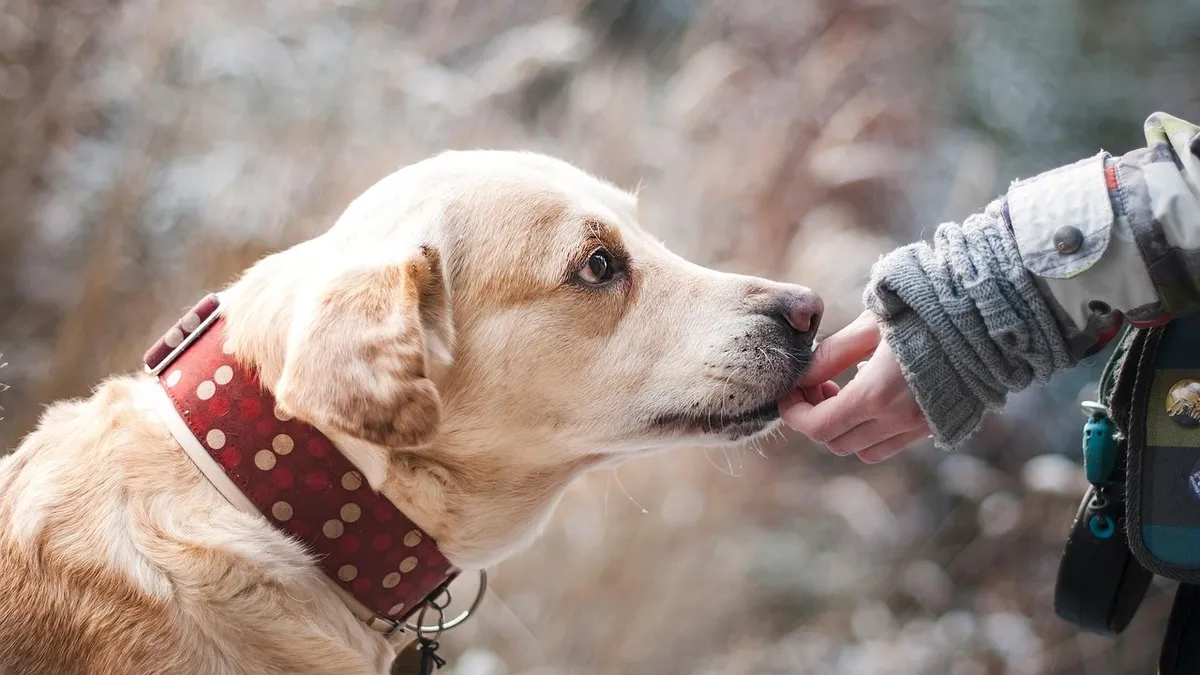
Rescue dog 3-3-3 timeline
The first 3 days
Decompress and feel safe
Everything is new, and many dogs feel overwhelmed and unsure. Your dog may sleep a lot, hide in a crate or under a table, eat or drink little, have a potty accident or test the house rules.
What helps now
- Don't expect too much right away: your dog isn't ready to be themself yet.
- Give your dog a quiet safe spot of their own, with a bed or an open crate.
- Keep the days calm, with few visitors and no big outings.
The next stage, the first 3 weeks, starts in 2 days. Every dog settles at their own pace.
Adopting a dog starts long before the first day home, and settling in takes longer than most people expect. Many rescues share a simple rule of thumb for it, the 3-3-3 rule: about 3 days to decompress, 3 weeks to learn the routine and 3 months to feel at home.
Pick how long your dog has been home in the timeline above to see the stage they’re likely in, what to expect and what helps. Every dog goes at their own pace, so treat it as a guide, not a deadline.
Before you adopt
A little planning makes the first weeks much easier, for you and for the dog. Start with what your days look like: how long you’re out, how active you are and who else lives at home.
Then think about the dog who’d fit that life. Size, energy and grooming matter as much as looks, and a calm adult can suit a busy home better than a lively puppy.
What to ask the shelter or rescue
The shelter staff or the foster family know the dog best, so ask plenty of questions. A good match matters more than a quick one.
- What does the dog eat, and how often?
- How are they with children, other dogs and cats?
- Are they house-trained, and have they used a crate?
- What have the staff noticed about their personality, from play to fears?
- Can you have their vet records and any notes from a foster home?
If you can, visit more than once, take a walk together and bring the people who’ll live with the dog. If you already have a dog, ask whether the two can meet first.
Puppy or adult dog
A puppy is a fresh start, but needs a lot of time for training, potty breaks and house manners. An adult dog’s size and personality are already clear, and many adults already know the basics.
Senior dogs are often calm, gentle companions who settle into a quiet home quickly. Whatever age you choose, the first months follow the same pattern.
If you’re still deciding on a breed, these best family dogs for first-time owners are a good place to start.
Getting ready for day one
Set things up before the dog arrives, so the first day is about the dog and not about shopping. The new puppy checklist works for an adult dog too, from the bed and bowls to the leash and ID tag.
Pick one quiet room or corner as the dog’s safe spot, with a bed, water and an open crate if they’re used to one. A small, calm space feels safer than a whole house at once.
Walk through your home at dog height and put away cords, shoes, food and anything you don’t want chewed. Check the fence and the gates, since a new dog may try to slip out while they’re still unsure.
Agree on the house rules with everyone at home before the dog arrives: where they sleep, whether they’re allowed on the couch and which doors stay shut. Starting with clear rules is kinder than changing them later.
The 3-3-3 rule, stage by stage
The 3-3-3 rule describes how many adopted dogs settle in. It’s not a rule in the strict sense, and some dogs move faster or much slower, but it helps you know what to expect.
The first 3 days
Everything is new, and many dogs feel overwhelmed and unsure. Your dog may sleep a lot, hide in a crate or under a table, eat or drink little, have a potty accident or test the house rules.
This is a time to decompress. Keep the days quiet, with few visitors and no big outings, and let your dog come to you. Don’t expect too much right away: your dog isn’t ready to be themself yet.

The first 3 weeks
Your dog starts to settle in, learns how the day works and feels more comfortable. Their true personality starts to show, and so may any habits you’ll want to work on.
Keep meals, walks, play and bedtime at the same times every day, so your dog learns what comes next. Focus on routine and bonding, with short, calm training and plenty of treats.
The first 3 months
By now your dog feels at home, trusts you and knows the routine. The bond grows, and by the end of this stage many dogs feel completely secure.
Keep up the training, add new skills a little at a time and try new places slowly. Watch for signs of stress, like panting, pacing or turning away, and give your dog a break when you see them.
After 3 months
Most dogs feel at home by now, but some take six months to a year, especially an older or shy dog. That’s normal, so keep going at your dog’s pace.
If a worry doesn’t ease, or your dog seems anxious long after the first months, ask your vet or a trainer for help.
The first day home
Plan the first day for a quiet time, like a weekend morning, when someone can stay home. Bring the dog home on a leash or in a crate in the car, and go straight to the spot outside where you’d like them to potty.

Then let your dog explore the safe room on a leash or with you close by. Show them the water, the bed and the way outside, and let them sniff at their own pace.
Keep greetings calm. Ask family members to sit on the floor and let the dog come to them, and save visits from friends for later.
A quiet photo of the first day makes a lovely keepsake, and these adoption day captions keep the post short and sweet.
To mark the day, make a dog adoption certificate with your dog’s name and the date, ready to print and frame.
Meeting other pets
If you have another dog, a first meeting on neutral ground, like a walk side by side, is usually easier than meeting at home. Keep the first meetings short, and give each dog their own bowl, bed and space.
With a cat, keep the two apart at first and let them get used to each other’s smell through a closed door. Go slowly, and ask the shelter for advice if the dog hasn’t lived with cats before.
Children and the new dog
Teach children to let the dog come to them, to stroke gently along the back and to leave the dog alone while they eat or sleep. A dog who can always walk away to their safe spot feels safer around kids.
Keep an eye on every meeting in the first weeks, and keep them short and happy.
Building a routine and trust
A steady routine is one of the kindest things you can give a new dog. Meals, walks, play and naps at the same times every day tell your dog what comes next, and that helps them relax.
Short, positive training sessions build trust too. Start with the dog’s name, sit and come, use treats and praise, and stop while it’s still fun. The puppy training section has the first steps, and they work for adult dogs as well.
A busy mind helps a dog settle. Sniffing games, puzzle feeders and quiet chews give a new dog something calm to do, and these dog enrichment ideas have plenty more.
Above all, be patient. Progress isn’t always a straight line, and a dog who has a hard day in week two can still be a happy, settled dog by month three.
Your dog’s first vet visit
Book a vet visit in the first week or two, and bring the papers from the shelter. Your vet is the right person for questions about food, vaccines and health.
A first visit while your dog is healthy also helps them get to know the clinic, so the next visit is less scary.