Best Family Dogs for First-Time Owners
The best family dogs for first-time owners: nine breeds that are good with kids, easy to train and adaptable, plus quiet apartment dogs and first dog tips.

By Maren Whitlock · Published
Family dogs for first-time owners
| Breed | Size | Weight | Height | Coat |
|---|---|---|---|---|
| Coton de Tulear | Small | 8 to 15 lb | 9 to 11 in | Long, wavy and double |
| Shih Tzu | Small | 9 to 16 lb | 9 to 10.5 in | Long, double |
| Bichon Frise | Small | 12 to 18 lb | 9.5 to 11.5 in | Long, curly and double |
| Pug | Small | 14 to 18 lb | 10 to 13 in | Short, smooth |
| French Bulldog | Small | Under 28 lb | 11 to 13 in | Short, smooth |
| Cocker Spaniel | Small | 20 to 30 lb | 13.5 to 15.5 in | Long, silky and double |
| Standard Schnauzer | Medium | 30 to 50 lb | 17.5 to 19.5 in | Medium, double and wiry |
| Golden Retriever | Large | 55 to 75 lb | 21.5 to 24 in | Medium, double |
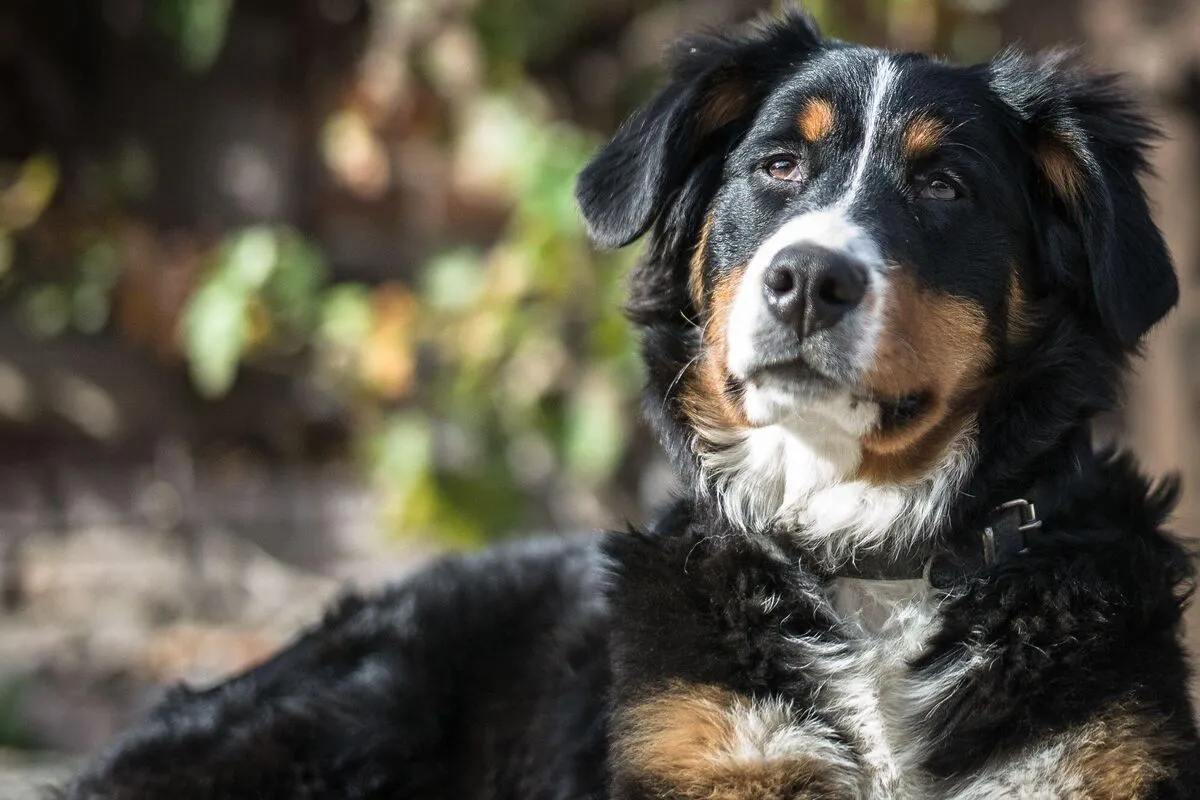
| Bernese Mountain Dog | Large | 70 to 115 lb | 23 to 27.5 in | Medium, double |
No breed in the chart has that size and coat together. Try another size or coat.
Adult sizes as the breed standards give them, smallest first. Height is measured at the shoulder. Size goes by the top of the weight range: small up to 30 lb, medium up to 65 lb, large up to 140 lb, giant over 140 lb.
The best family dogs for first-time owners are friendly with children, easy to train, adaptable and calm enough to live with. Nine breeds fit that description well: the Shih Tzu, the Bichon Frise, the Coton de Tulear, the Pug, the French Bulldog, the Cocker Spaniel, the Standard Schnauzer, the Golden Retriever and the Bernese Mountain Dog.
The chart above compares their adult size and coat. Below is what each breed is like to live with, which ones make the best apartment dogs, and tips for a first dog.
How the breeds were picked
The AKC scores every breed on traits like how good it is with young children, how easily it adapts to changes, how easy it is to train, its energy and how much it barks. This list uses those scores for the breeds in the site’s breed data.
A breed made the list when it scores top marks with young children, scores well for adaptability and training, and sits at a moderate level for energy and barking. That’s a good match for a family that’s new to dogs.
One breed passed the scores but was left out. The AKC’s own page says the Rhodesian Ridgeback can be too much hound for a novice owner, so it isn’t on this list.
Every dog is an individual
A breed tells you what to expect, not what you’ll get. Meet the dog or the puppy’s parents, ask about its history, and see how it reacts to your children before you decide.
Small family dogs
These breeds pair a small size with a friendly, affectionate nature. They fit easily into most homes, and most need only short walks and indoor play.
Shih Tzu
The Shih Tzu is a lively charmer known for being especially affectionate with children. Bred as a house companion, it needs only short daily walks and indoor play, and its idea of fun is sitting in your lap.
The long coat needs daily brushing, or a short puppy trim from a groomer. Training works best with praise and rewards, since a Shih Tzu is good at charming its way out of rules.
Bichon Frise
The Bichon Frise is a cheerful, adaptable companion that gets on well with other dogs and children. It’s curious, playful and treats strangers as friends it hasn’t met yet.
Bichons learn tricks quickly and respond well to reward-based training, though house training can take patience. The white coat sheds very little but needs brushing several times a week and regular trips to a groomer.
Coton de Tulear
The Coton de Tulear is a bright, happy-go-lucky little dog whose favorite activities include clowning around and following its people through the house. It forms a very close bond with its family.
It needs moderate exercise, like daily walks and games of fetch, and plenty of toys and attention. The soft white coat needs a lot of brushing unless it’s kept in a short puppy clip.
Pug
The Pug is a charming, loving companion that lives to please its people, which makes it generally easy to train. Pugs are happy in the city or the country, with children or older people, as an only pet or with others.
The short coat needs a weekly brush, but it does shed. Pugs love food and the sofa, so daily walks and play keep them fit, and they should take it easy in hot weather.
French Bulldog
The French Bulldog is playful, alert and adaptable, and it settles happily with singles, couples or families. Frenchies don’t bark much, and they get on well with other animals and new people.
A short walk or a play session each day is enough exercise. The short coat needs only a weekly brush and clean facial folds, and like the Pug, a Frenchie should rest in hot or humid weather.
Cocker Spaniel
The Cocker Spaniel is a merry, gentle sporting dog with big, dark eyes and long, silky ears. Cockers are eager playmates for kids and are easily trained, since they love to please their people.
They enjoy brisk walks and games of fetch without needing endless exercise. The lush coat needs regular, thorough grooming, so plan time for combing or visits to a groomer.
Medium and large family dogs
For a family with room and time for walks, these bigger breeds are gentle, eager to please and wonderful with children. They need more exercise and space than the small breeds above.
Standard Schnauzer
The Standard Schnauzer is a spirited, smart farm dog from Germany with a wiry coat, bushy eyebrows and whiskers. It’s sociable, good with kids and protective of its family.
Standards learn fast and get bored with too many repeats, so keep training short and varied. They love being included in family life, long hikes and dog sports, and the wiry coat needs regular grooming.
Golden Retriever
The Golden Retriever is friendly, devoted and intelligent, and it’s one of America’s most popular family dogs. Goldens are outgoing, loyal and eager to please, which makes them very easy to train.
They need plenty of daily exercise and make great companions on long walks and runs. The thick double coat sheds year-round and heavily once or twice a year, so brushing is part of the routine.
Bernese Mountain Dog
The Bernese Mountain Dog is big, strong and beautiful, with a calm, sweet and affectionate nature. Berners get along with the whole family and are especially gentle with children.
They need at least 30 minutes of moderate exercise every day and love long walks and cold weather. The thick double coat sheds a fair amount, and early training matters for a dog this size. The Bernese Mountain Dog guide has more on the breed’s history and care.
The best apartment dogs from the list
A family in an apartment needs a dog that’s small, adaptable and fairly quiet. Five of the breeds above stand out for apartment life.
Quiet and easygoing
The French Bulldog, the Pug and the Coton de Tulear rarely bark much, which neighbors appreciate. The Frenchie in particular is a favorite of city dwellers and needs little outdoor exercise.
Small and adaptable
The Shih Tzu was bred to live indoors and makes a great pet in an apartment or a home without a big yard. The Bichon Frise is confident and small enough to be an ideal city dog.
Making apartment life work
Even a small dog needs daily walks, play and time with its people. Plan potty breaks around stairs or elevators, and give your dog a quiet spot of its own, away from the door.
If you’re looking at other small breeds too, these small dog breeds compare the size, coat and energy of more little companions.
Tips for a first-time dog owner
Choosing the breed is only the start. A little planning before the dog comes home makes the first weeks much easier for everyone.
Get ready before day one
Set up a safe space with a bed, bowls, a few toys and a crate or a playpen. This new puppy checklist walks through everything to buy and do before your dog arrives.
Puppy or adult dog
A puppy needs time for training, potty breaks and socialization. An adult dog’s size and personality are already clear, and the guide to adopting a dog explains the first days, weeks and months with a rescue.
Start training early
Every breed on this list learns best with rewards and patience. Short sessions of sit, down and come, and a steady routine for potty training a puppy, set your dog up for life with your family.
A puppy class is a great next step. It gives your dog safe practice around other dogs and people, and gives you help from a trainer.
Choosing the right family dog
Think about your home, your time and your family before you fall for a face. A good match makes life easier for you and for the dog.
Time and grooming
Some breeds on this list, like the Shih Tzu, the Bichon, the Coton and the Cocker Spaniel, need regular brushing or a groomer. Short-coated breeds like the Pug and the Frenchie need very little, though they do shed.
Size and space
The small breeds fit easily in an apartment, while a Golden Retriever or a Bernese Mountain Dog needs more room and more exercise. Think about stairs, your car and how much dog you can comfortably handle.
Children
Even the most family-friendly breed needs a calm start with children. Teach kids to be gentle, never to grab or hug a dog that wants space, and supervise play, especially with small dogs and young children.
Give your dog a quiet place to rest where children don’t follow, so everyone gets a break when they need one.