New Puppy Checklist for Bringing Puppy Home
A printable new puppy checklist with everything to have ready before your puppy comes home, from the crate and bowls to the first vet visit.
Published
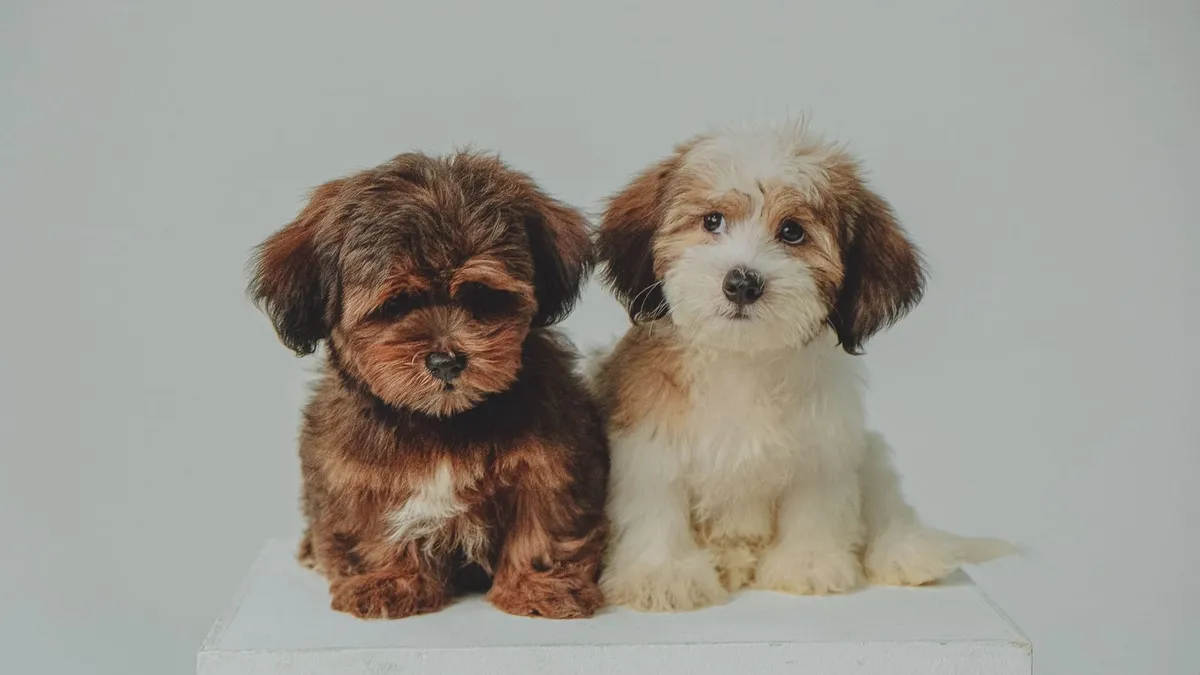
New puppy checklist
0 of 31 ready
How to use this checklist
The checklist is made for the busy days before a puppy arrives, when there's a lot to remember and little time.
Tick each item as you buy it or set it up. The count at the top shows how much is ready.
Each group has its own count too, so you can see at a glance whether the sleep corner or the walking gear still needs work.
Download PDF or Print gives you a paper copy for the fridge. Copy text puts the list, with your ticks, into a note or a message for someone helping you shop.
Clear starts the list over. Nothing is saved, so the ticks are gone when you close the page.
Sharing the list
Getting ready is easier with help. Send the list to whoever shops with you, so you don't both buy a crate.
A printed copy on the fridge works well for kids. They can tick off the things they helped set up.
What's on the list
The checklist is grouped the way your days with a puppy are: where they sleep, what they eat, how they walk, and what happens in between.
Sleep and crate
A crate your puppy can stand up and turn around in, a washable bed, and a cover or blanket that smells like home.
A crate that grows with your puppy, or a divider for a big one, saves buying twice.
Food and water
Bowls that don't tip, the food your puppy already eats, and small soft treats for training.
Keep the same food at first and ask your vet before you change it.
Walks and ID
A flat collar with an ID tag, a harness that fits, a light leash and poop bags.
Puppies grow fast, so check the fit of the collar and harness every week.
Potty and clean-up
An enzyme cleaner, paper towels and a plan for where your puppy goes potty outside.
The cleaner matters more than it seems. It removes the smell that draws a puppy back to the same spot.
Toys and chewing
A few safe chew toys in different textures, sized so your puppy can't swallow them. Rotate them so the old ones feel new again.
Grooming
A brush or comb for your puppy's coat, a gentle dog shampoo and puppy nail clippers.
Short, happy grooming sessions from the first week make later trips to the groomer easier.
Home and first days
Gates or a playpen, a cleared floor, a booked first vet visit and a simple plan for the first night.
Not sure what's worth buying now? Puppy essentials narrows the list to what your puppy needs on day one and says what to look for in each.
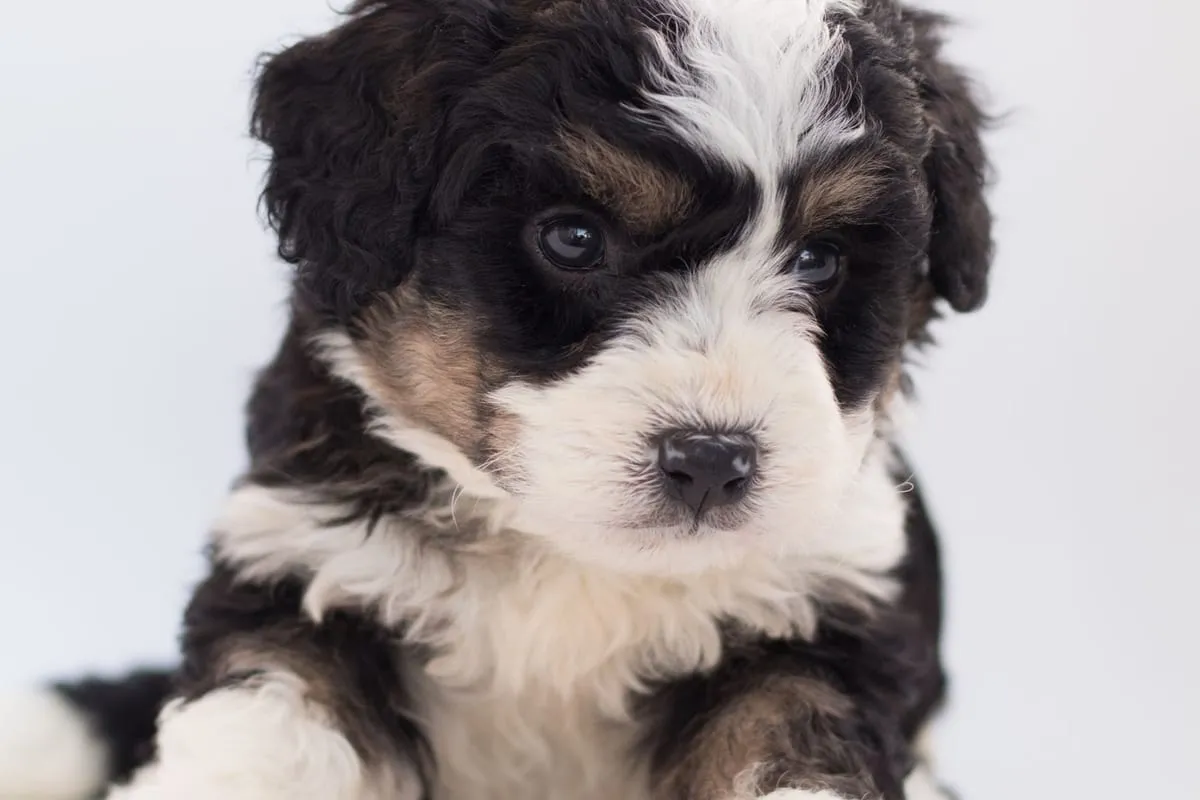
What can wait
Fancy beds, outfits and a basket of toys can wait. Your puppy will grow fast, and in the first weeks you'll learn what they like to chew and how they sleep.
Buy the basics now and the rest when you know your puppy, so you buy the right things once.
What to set up before day one
Shopping is only half of it. A few days before your puppy comes home, get the space ready so the first day is calm.
- A small puppy area. Use gates or a playpen to close off one room with a floor that's easy to clean. A smaller space means fewer accidents and less to chew.
- The crate where you sleep. Put the crate and bed in your bedroom for the first nights. Your puppy can hear you, and you can hear when they need to go out.
- A potty spot. Pick one spot outside and take your puppy there every time. The same spot and the same words build the habit faster.
- A clear floor. Get down to puppy height and pick up cords, shoes, socks and small things a puppy could chew or swallow.
- House rules. Agree as a family where the puppy sleeps, which rooms are open and which words you use for potty, sit and no.
A simple countdown
You don't need to do everything at once. Spreading it out keeps the last day calm.
A week or two before
Buy the crate, bed, gates and bowls, and book the first vet visit. Ask the breeder or shelter which food your puppy eats and how often.
A few days before
Set up the puppy area and the crate, and puppy proof the floor. Pick the potty spot and walk the route to it.
The day before
Put the collar, leash and ID tag by the door. Pack the car with a crate or carrier, a towel, poop bags and paper towels.
Pickup day
Go straight to the potty spot when you get home. Then let your puppy explore the puppy area at their own pace.
After your puppy comes home
The first week is about a safe space, a steady routine and lots of trips outside. Keep visitors few and days quiet while your puppy settles in.
For the first night, the first days and a simple routine, see the New Puppy guide.
Every puppy is different
The basics are the same for every dog, but a few details change with size, age and where your puppy comes from.
Small breed or big breed
The list is the same for every puppy, but sizes aren't. A toy breed needs a small crate, a light harness and tiny chews.
A puppy who'll grow big does better with an adult-size crate and a divider, and with sturdier toys from the start.
If you're not sure how big your puppy will get, ask the breeder or shelter what to expect. For a mixed breed, the sizes of both parents are the best guide, as with a full grown Maltipoo.
Bringing home an older rescue dog
Most of the list still applies to an adult dog. Swap puppy chews for sturdier toys, and pick a collar and harness by measuring your dog rather than guessing.
Give a rescue dog the same quiet start: a small area, a steady routine and time to settle before meeting lots of new people. The guide to adopting a dog walks through the first days, weeks and months.
What to ask the breeder or shelter
- Which food your puppy eats and at what times.
- What their day has looked like so far: naps, play and potty breaks.
- Whether they've slept in a crate, and what helps them settle.
- Which papers and records come with your puppy, to bring to your vet.
A small blanket or toy that smells like their first home can help your puppy relax on the first nights.
Frequently asked questions
What should I buy before bringing a puppy home?
Start with a crate, a washable bed, bowls, the food your puppy eats now, a collar with an ID tag, a harness and a leash, poop bags, an enzyme cleaner and a few safe chew toys. The rest can wait until you know your puppy's size and habits.
When should I get everything ready?
A few days before your puppy arrives, so the crate, the puppy area and the potty spot are set up and the first day is about your puppy, not about shopping.
Can I share my checklist with my family?
Yes. Tick what you already have, then use Copy text and paste the list into a message, or use Download PDF and send the file. Both show which items are ticked, so everyone can see what's left to get.
Should I change my puppy's food right away?
No. Keep the food your puppy already eats for the first days at home, and ask your vet before you change it.
Save it for later
Pin this page so it's there when you need it.