Bernese Mountain Dog Size and Temperament
The Berner at a glance: a big, gentle Swiss farm dog, its size, tricolor coat, placid and affectionate temperament, grooming, exercise, puppies and history.

By Maren Whitlock · Published
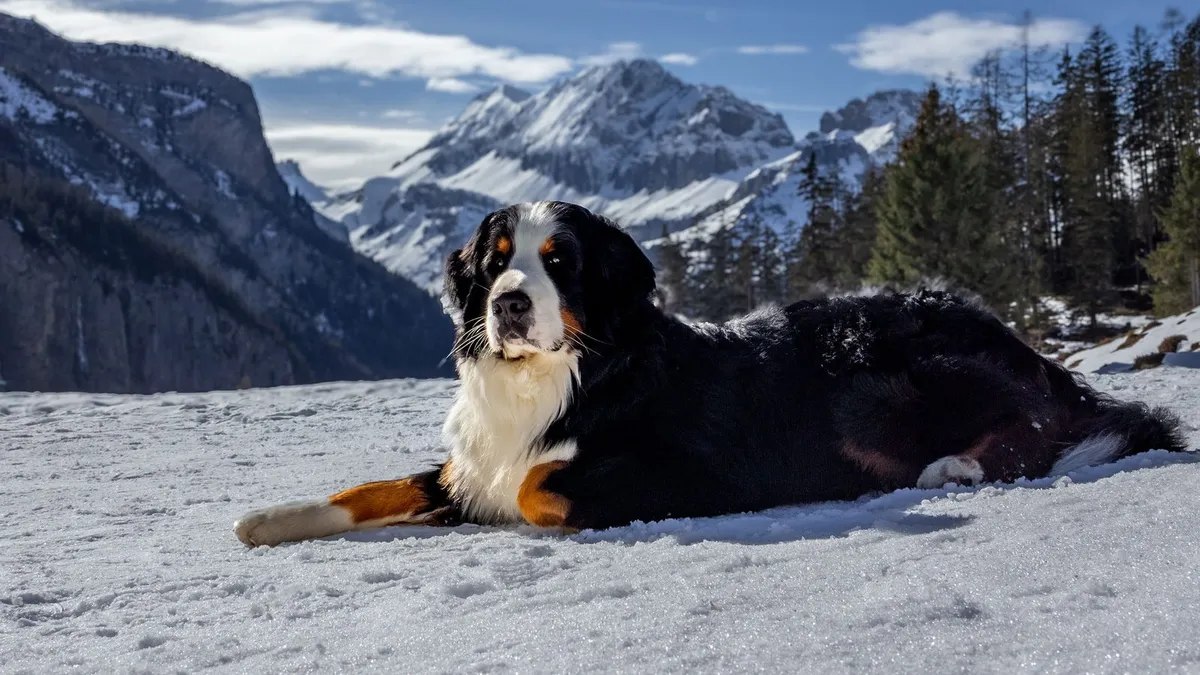
Bernese Mountain Dog at a glance
- Size
- Large
- Adult weight
- 70 to 115 lb
- Height
- 23 to 27.5 in
- Coat
- Medium, double
Typical figures for the breed. Any one dog can be bigger or smaller than these.
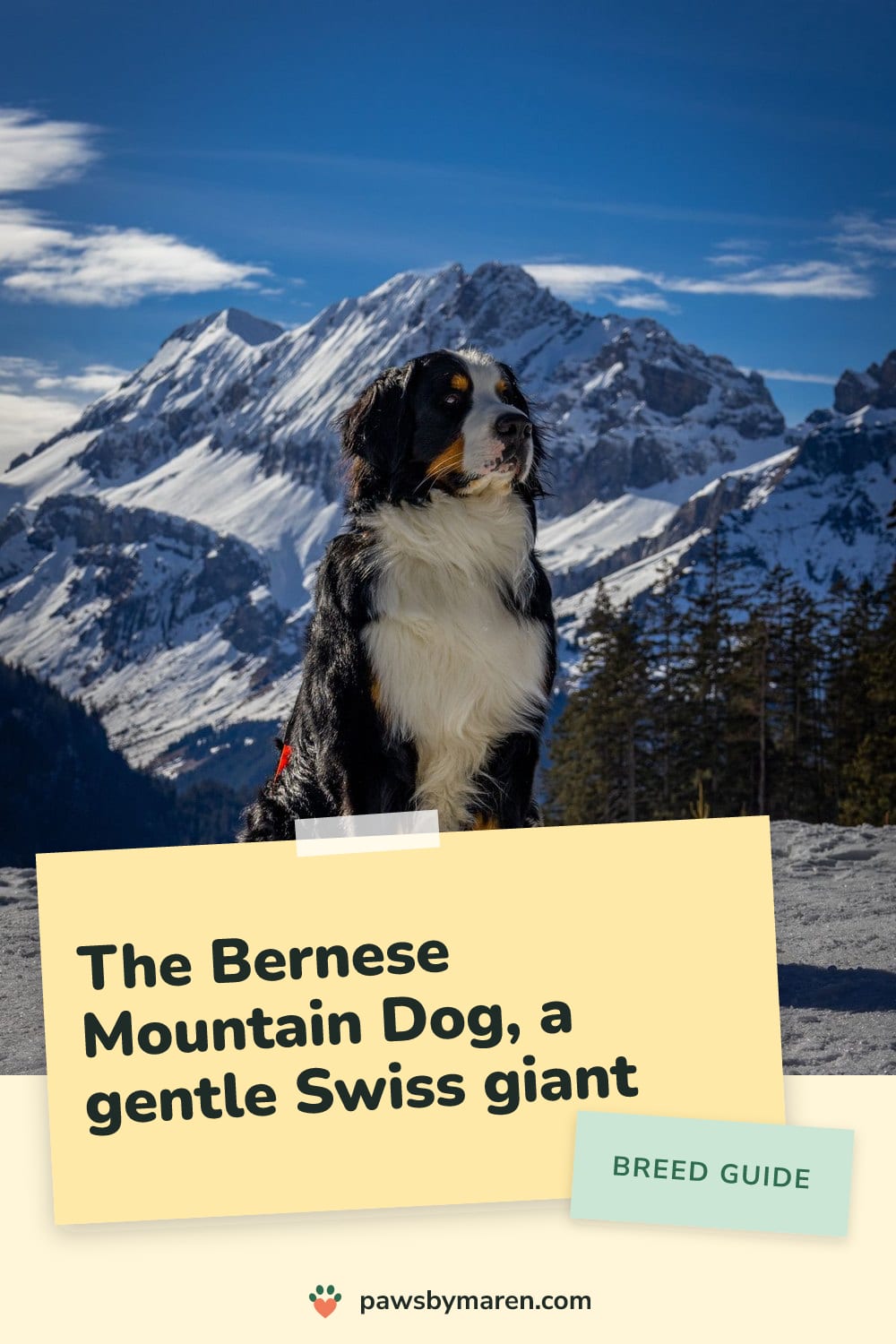
The Bernese Mountain Dog is a big, strong Swiss farm dog with a striking black, rust and white coat and a sweet, affectionate nature. Berners are generally calm, but always up for a romp with the people they love to please.
The card above shows the breed’s typical size and coat. Below are its look, temperament, coat and grooming, exercise, puppies and training, family life and its history in the Swiss Alps.
Size and build
The Bernese Mountain Dog is a large dog. Males stand 25 to 27.5 inches at the shoulder, and females 23 to 26 inches.
A grown Berner weighs about 70 to 115 pounds, with males at the heavier end.
The breed card above shows how the Berner compares with other big dogs, from its coat length to its energy and shedding.
Sturdy and balanced
The breed standard describes a sturdy, balanced dog, strong and agile enough for the draft and droving work it was bred for. Though it looks square, a Berner is slightly longer in body than it is tall.
Its bones are sturdy and its body is full, with a deep chest and a broad, firm back. The tail is bushy and carried low when the dog is relaxed.
A gentle face
The Berner’s expression is intelligent, animated and gentle, with dark brown, slightly oval eyes. Its ears are medium sized and triangular, and they hang close to the head until something catches the dog’s interest.
A sweet, good-natured temperament
The Bernese Mountain Dog is known for a sweet, affectionate nature. The breed standard calls its temperament self-confident, alert and good-natured, never sharp or shy.
Berners live to please their owners and tend to bond closely with their family. They’re generally placid indoors, then cheerful and playful when it’s time for a walk or a game.
Calm with visitors
A Berner should stand steady with new people, though it may stay a little aloof to the attentions of strangers. Early, gentle socialization helps a puppy grow into a confident adult who greets guests calmly.
A natural watchdog
On the farm, the breed guarded property as well as moving cattle and pulling carts. Today, many Berners still like to keep an eye on their home and family.
That watchful side rarely turns sharp. A good-natured Berner tends to bark to announce a visitor, then settle once the family welcomes them in.
Coat, colors and grooming
The Berner’s coat is thick, moderately long and slightly wavy or straight, with a bright natural sheen. It’s a double coat, and the breed is the only one of the Sennenhund type with a long coat.
Tricolor markings
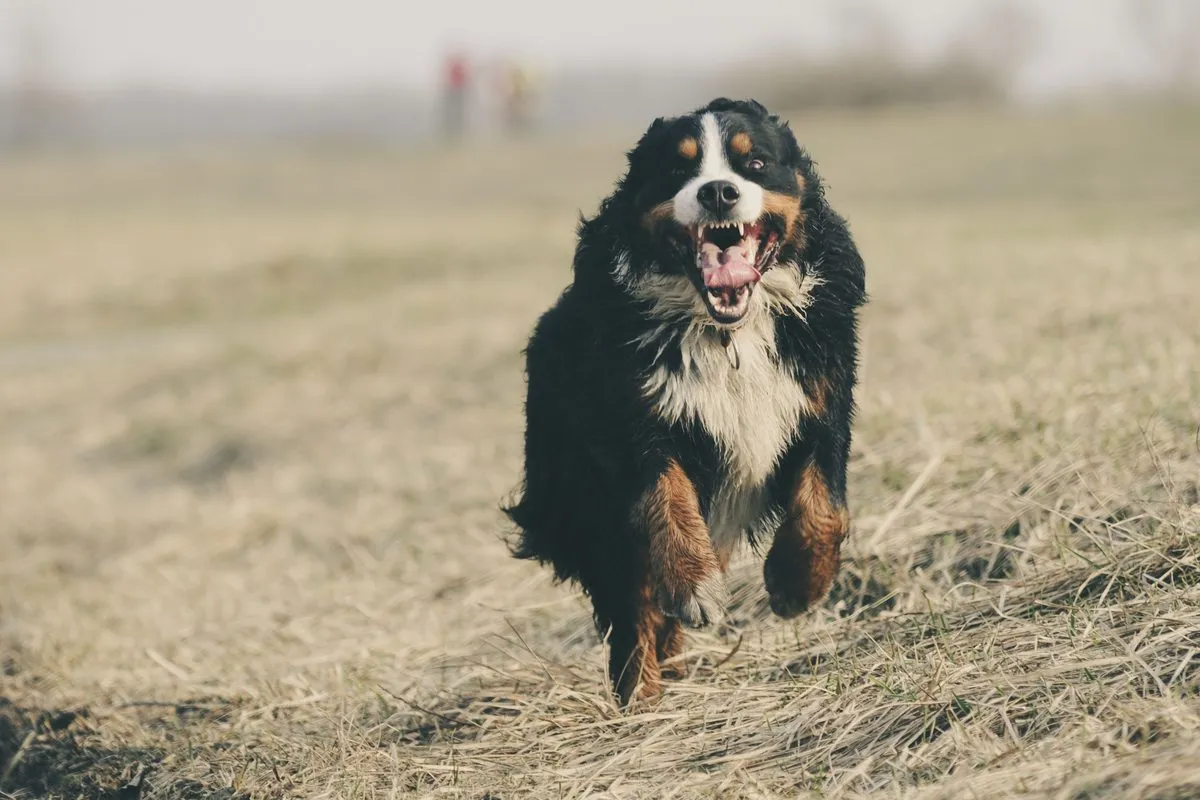
Every Berner is tricolor. The base color is jet black, with rich rust and clear white markings.
Rust appears over each eye, on the cheeks, on each side of the chest, on all four legs and under the tail. A white blaze runs down the face, a white mark on the chest often forms a cross, and the tip of the tail is white.
Shedding and brushing
The AKC rates the Bernese among the heaviest shedders, so expect hair on the floor and the furniture. Brush regularly to catch loose hair before it lands, and more often when the coat sheds most.
The breed is shown in a natural coat, so a Berner needs brushing more than trimming. The dog grooming routine by coat type covers brushing, baths, nails and ears.
Exercise and a job to do
A Berner needs at least 30 minutes of moderate exercise every day. Daily walks and play in the yard keep it fit and happy.
The breed was built for steady work, not for speed. Its natural working gait is a slow trot, though it can move with surprising speed and agility when it wants to.
Carting and drafting
A Berner’s calm temperament makes it a natural at pulling a small cart or wagon, the job it once did in Switzerland. Carting competitions are held for the breed, and drafting trials in the United States award titles too.
Since 2010, Berners have also been able to compete in AKC herding events. Hiking, obedience and gentle games at home are other good outlets.
A cool-weather dog
With its thick coat and mountain roots, a Berner handles cold winters well. On warm days, keep walks to the cooler hours and give your dog shade and fresh water.
These things to do with your dog include outings and games that suit a big, easygoing dog.
Bernese Mountain Dog puppies and training
A Bernese Mountain Dog puppy is a fluffy, clumsy bundle that grows into a very big dog. Start gentle training the day your puppy comes home, while they’re still small enough to guide easily.
Socialization
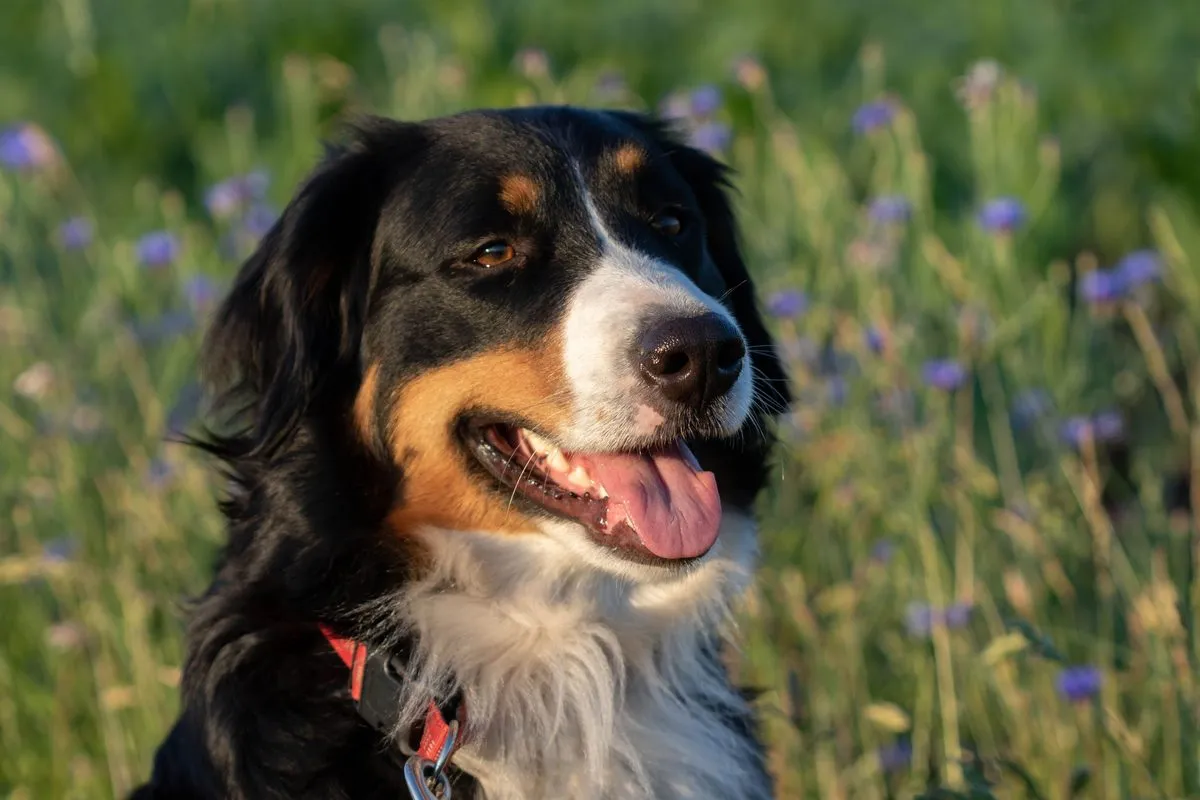
Let your puppy meet many kinds of people, calm dogs, sounds and places, a little at a time and with plenty of treats. A well-socialized Berner grows into the steady, friendly adult the breed is known for.
Gentle, reward-based training
Berners are intelligent and eager to please, so they learn well with treats, praise and play. Short, happy sessions suit a sensitive puppy better than long or harsh ones.
The puppy training schedule lays out what to teach week by week, from the name game and sit to come and walking on a loose leash.
Manners for a big dog
Teach a calm sit to greet and loose-leash walking early. A jump that’s sweet from a small puppy is a lot harder to stop once the puppy weighs as much as an adult person.
Family life
A Berner is happiest at the center of family life. It wants to be with its people indoors, not left alone in a yard.
Many Berners attach most strongly to one person, though they love the whole family. Including your dog in everyday life, from walks to quiet evenings at home, suits this people-loving breed.
Children
Berners are known for being gentle and good-natured with their families. Because of their size, play with small children should always have an adult nearby, and kids should learn to be calm and kind with the dog.
Space and home
A big dog needs room to stretch out, and a Berner does best with a securely fenced yard and daily walks. A large, supportive dog bed gives it a comfortable spot to rest indoors.
Time together
Expect to spend time every day on walks, brushing and play. In return, a Berner offers calm, steady company and a lot of affection.
Where the Bernese Mountain Dog comes from
The Bernese Mountain Dog comes from the canton of Bern in Switzerland and the Swiss Alps. In German it’s called the Berner Sennenhund, from Senne, an alpine pasture, and Hund, dog.
It is one of four Sennenhund-type breeds. In the past it was also called the Dürrbächler, after the town of Dürrbach.
An all-purpose farm dog
The breed worked as an all-purpose farm dog. It guarded property, drove dairy cattle long distances from the farm to the alpine pastures and pulled carts of milk and cheese, which earned it the local nickname of cheese dog.
Clubs and recognition
In 1,907, breeders from the Burgdorf region founded the first breed club and wrote a standard. The AKC recognized the Bernese Mountain Dog in 1,937, and it belongs to the Working Group.
Is a Berner right for you
A Berner suits a family with room for a big dog, time for daily walks and brushing, and a love of a calm, gentle companion. The large dog breeds guide compares it with other big dogs, from the Newfoundland to the Great Dane.