Cane Corso Size, Temperament and Training
The Cane Corso at a glance: a large Italian mastiff-type guardian, its size, loyal and protective temperament, coat and colors, exercise, training and history.

By Maren Whitlock · Published
Cane Corso at a glance
- Size
- Large
- Adult weight
- 88 to 110 lb
- Height
- 23.5 to 27.5 in
- Coat
- Short, smooth
Typical figures for the breed. Any one dog can be bigger or smaller than these.
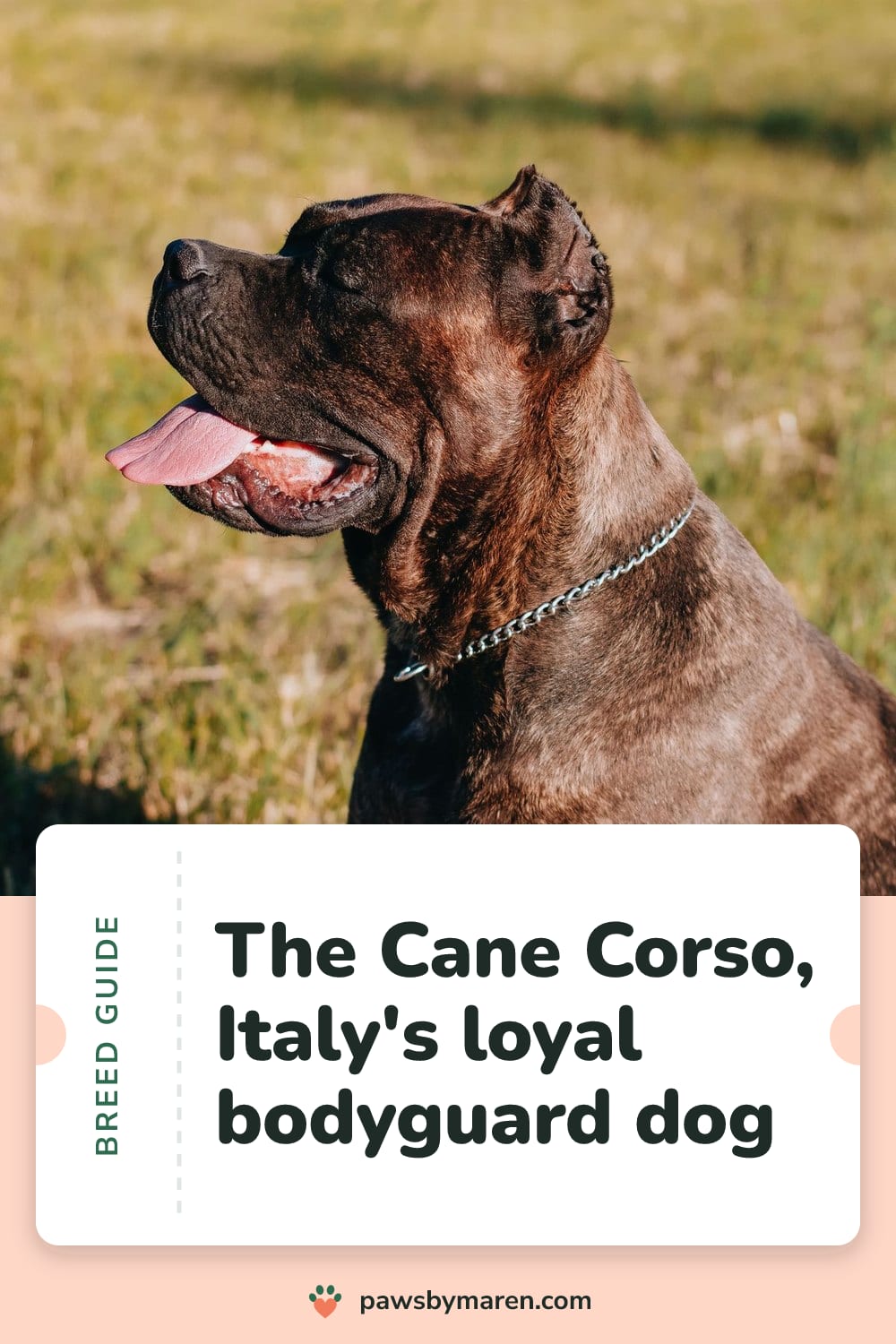
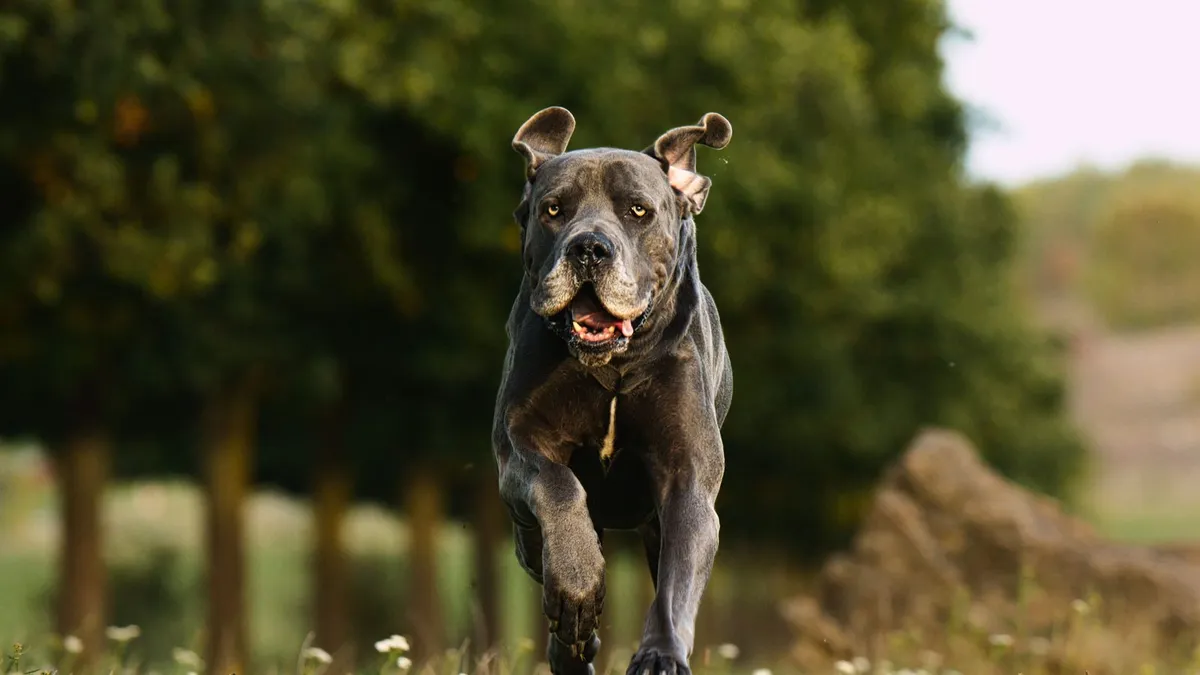
The Cane Corso is a large, muscular Italian guardian with a calm, confident presence. It’s smart, loyal and eager to please, and it’s devoted to its family.
The card above shows the breed’s typical size and coat. Below are its look, temperament, coat and care, exercise, puppies and training, family life and its history from ancient Rome.
Size and build
The Cane Corso is a big dog. It stands about 23.5 to 27.5 inches at the shoulder, with males taller than females.
The AKC describes the weight as in proportion to height. The breed standard of the FCI, the world dog federation, puts it at about 88 to 110 pounds, females at the lighter end.
A powerful look
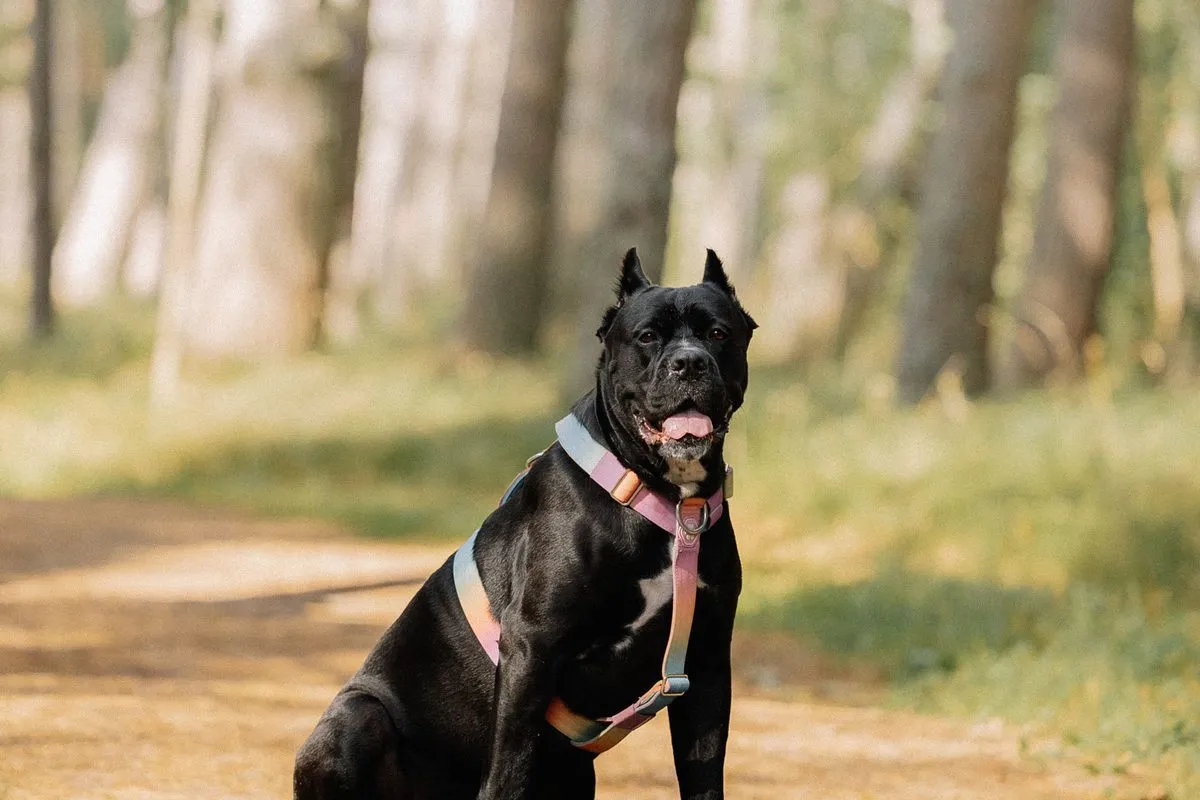
A Cane Corso has a large, broad head, an alert expression and muscles rippling under a short coat. It moves with surprising ease and grace for such a big dog. Its body is a little longer than it is tall, sturdy but not square.
That imposing look is part of the breed’s job. Just the sight of a Cane Corso tends to make strangers think twice.
The name
Cane Corso is said as KAH-neh KOR-soh, and more than one is Cani Corsi. The name roughly translates from Latin as bodyguard dog, which fits the breed well.
A loyal, protective temperament
The Cane Corso is intelligent, loyal and eager to please. With its own people, it’s docile and affectionate, and its breed standard calls it loving with children and family.
It’s also a natural guardian of its home and family. Its imposing look is its first line of defense, and it watches over the people it loves.
Confident and willful
A Cane Corso is assertive and can be willful. Without clear, kind leadership, it may try to run the household, so it suits a confident owner who is ready to train.
Calm at home
A well-trained, well-exercised Cane Corso is calm and steady indoors. It likes to be near its people and tends to settle once its daily needs are met.
The breed standard sums it up as noble, majestic and powerful, an unequaled protector of its property and owners. Paired with training and love, that strength makes a steady companion.
Coat, colors and grooming
The Cane Corso has a short, stiff, shiny coat with a light undercoat. The undercoat thickens in cold weather and sheds through the year, most of all in spring.
Colors
The breed comes in black, lighter and darker shades of gray, lighter and darker shades of fawn, and red. Any of these can be brindled, with darker stripes through the coat.
Fawn and red dogs have a black or gray mask that doesn’t go beyond the eyes. A small white patch on the chest, throat, chin or toes is allowed.
Brushing
Brush once a week with a medium-bristle brush, a rubber grooming mitt or a hound glove, and every day during the spring shed. Brushing removes dead hair before it lands on the furniture and keeps the coat clean.
Nails
Trim the nails regularly, since long nails can hurt and make walking and running harder. These dog nail trimming hacks help with a big dog, and the dog grooming routine by coat type covers the rest of the care.
Exercise and a job to do
A Cane Corso needs serious exercise. A brisk walk, or better yet a run, of at least 1 mile in the morning and again in the evening keeps it fit and well-muscled.
These dogs make great partners for long walks, hikes and bike rides. Like most working breeds, they’re happiest with a job to do, so plan for daily exercise in every season.
Exercise for the mind
A Cane Corso needs mental work as well as physical. Without it, a bored dog can turn to unwanted behavior, so add training games, puzzle toys and new places to explore.
The dog enrichment ideas are an easy place to start, from sniffing games to simple brain games at home.
Dog sports
Many Cane Corsos take part in agility, obedience, dock diving, protection sports and tracking. A sport gives a smart, strong dog a healthy outlet and builds a close bond with its handler.
Cane Corso puppies and training
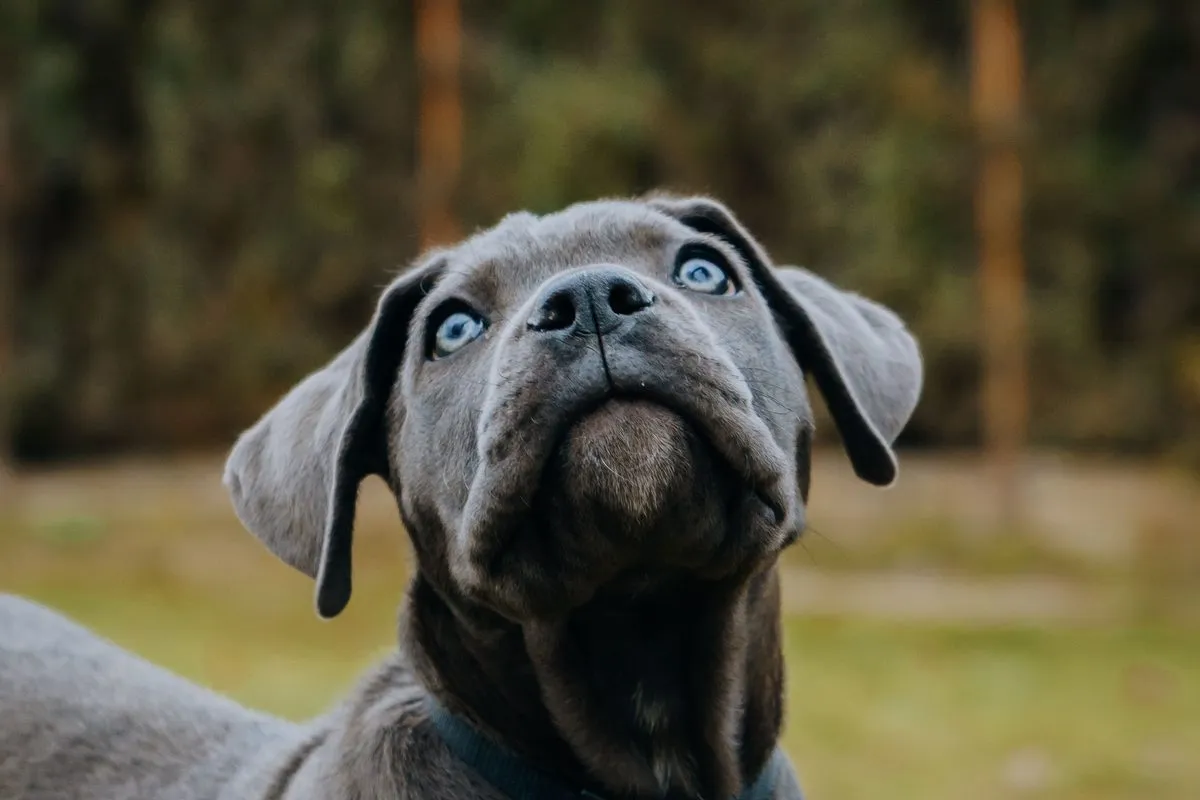
Early socialization and puppy classes are good for every dog, and for a breed as big and strong as a Cane Corso, they’re a must. A well-socialized puppy grows into a steady, well-mannered adult.
Socialization
Let your puppy meet many kinds of people, calm dogs, sounds and places, a little at a time and with plenty of treats. The goal is a confident dog that sees new things as normal, not as a threat.
Reward-based training
Cane Corsos are intelligent and eager to please, so they’re generally easy to train. Despite their tough look, they respond to love and rewards far better than to harsh corrections.
The puppy training schedule lays out what to teach week by week, and the dog commands guide has the steps for each cue.
Manners that matter for a big dog
Teach a calm sit to greet, loose-leash walking and a solid come while your puppy is small. A rule that’s cute on a small puppy is much harder to change once that puppy weighs as much as an adult person.
Family life
A Cane Corso is intensely loyal to its family. It wants to be with its people, not shut away in a yard.
Children
The breed standard calls the Cane Corso loving with children and family. Because of its size and strength, play with young children should always have an adult nearby, and kids should learn to be calm and gentle with the dog.
Other dogs and visitors
A Cane Corso can get along with other dogs, and early socialization makes a big difference. Introduce visitors calmly, and give your dog time to learn that a guest is a friend.
Space and home
A large, active dog does best with room to move and a securely fenced yard. Daily walks and time with the family matter more than the size of the house.
Wherever it lives, a Cane Corso needs company and structure. Walks, training and play spread through the day keep it relaxed when it’s home alone for a while.
Where the Cane Corso comes from
The Cane Corso belongs to the molossers, big guardian dogs of mastiff type named after the Molossi, an ancient Greek tribe. Roman legions brought these dogs back to Italy and bred them with native Italian dogs.
Those crosses gave rise to the Cane Corso and its larger relative, the Neapolitan Mastiff. That’s why the breed is sometimes called an Italian mastiff.
Farm guardian
After the fall of the Western Roman Empire, the breed found work on Italian farms. It hunted wild boar, drove livestock and, most of all, guarded farms and henhouses.
Saved from extinction
Changes in farming and long years of upheaval left very few Cane Corsos by the middle of the 20th century. In the 1970s, Italian fans set out to revive the breed, and a society of Cane Corso lovers formed in 1,983.
In the United States
The first Cane Corso arrived in America in 1,988, and the AKC recognized the breed in 2,010. Today it ranks among the most popular breeds in the AKC’s rankings.
Is a Cane Corso right for you
A Cane Corso suits an experienced, confident owner with time for daily exercise, training and socialization. In return, it’s a loyal, calm and loving companion that will watch over its family for life.
It’s not a dog for a quick walk around the block. Plan for long walks, a fenced yard, puppy classes and steady training from the first day.
Before you decide
Think about size first. A grown Cane Corso can weigh as much as an adult person, so it needs an owner who can handle it on a leash and keep up its training for life.
Think about time too. Twice-daily exercise, weekly brushing and ongoing training add up, and a bored Cane Corso can become a handful.
Meet adult dogs of the breed if you can, and ask the breeder or rescue about the temperament of the parents. For a name with Italian flair, try these Italian dog names.
Comparing big breeds
The large dog breeds guide compares the Cane Corso’s size with other big dogs, and the Rottweiler is another strong, loyal guardian worth a look. For a strong dog with a clownish side, see the Bull Terrier.