Dog Commands Every Dog Should Know
The dog commands worth teaching first, from sit, down, stay and come to leave it and drop it, with simple steps for each and a printable list.

By Maren Whitlock · Published
Dog commands list
0 of 13 learned
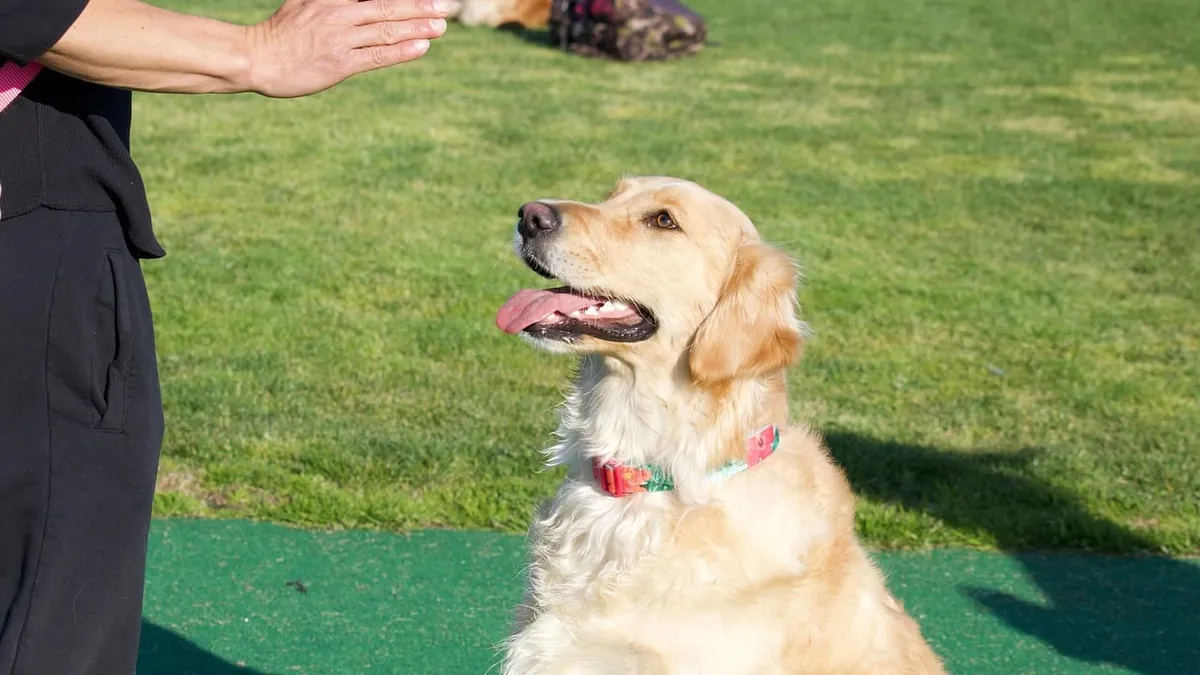
A handful of dog commands covers almost everything you need day to day: sit, down, stay, come and a few manners for walks and the house. Below are the ones to teach first, with simple steps for each.
Tick them off in the list above as your dog learns them, and print it so everyone at home uses the same words.
Before you start
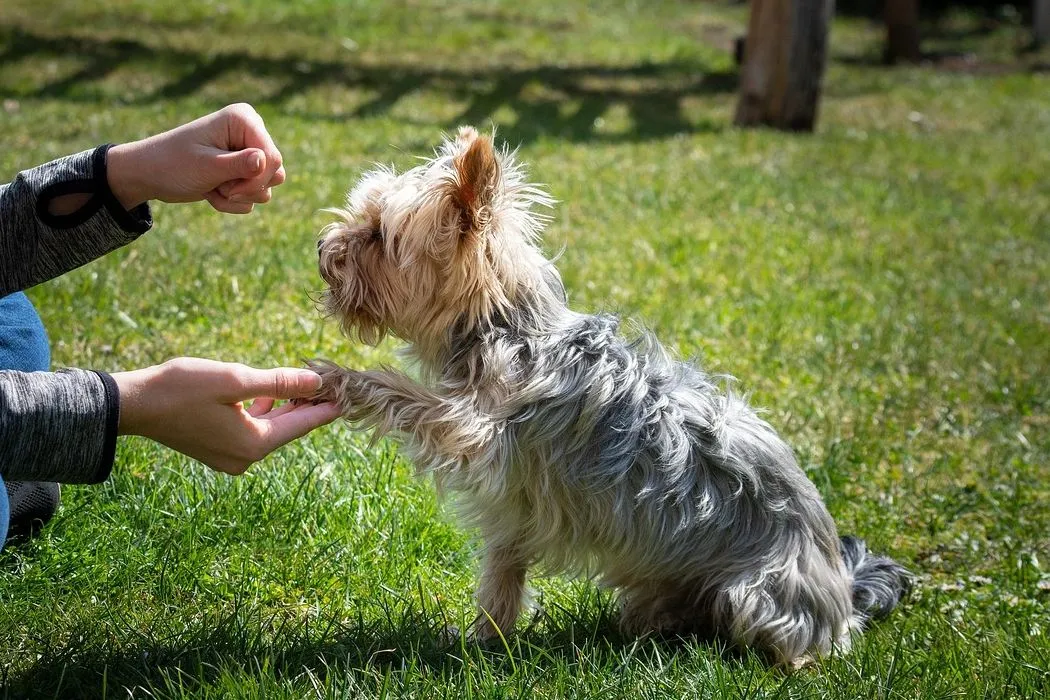
Every command below is taught the same way. You guide your dog into the position with a treat, mark the moment they get it right, and reward. Once they do it easily, you add the word.
A marker and a release word
A marker is a short word, like “yes,” that tells your dog the exact moment they got it right. Say it, then give the treat.
A release word, like “free,” tells your dog the command is over and they can move. It’s what ends a sit, a stay or a wait, so your dog never has to guess.
The same word for one thing
Use one word for each action, and only for that action. If “down” means lie down, use “off” when your dog jumps up or climbs on the couch.
Agree on the words as a family and write them down. The printable list above makes a handy reminder on the fridge.
Short, upbeat sessions
A few minutes at a time works best. Start in a quiet room, and end while your dog is still keen.
For a puppy, the puppy training schedule shows which commands to start at each age. The dog tricks use the same lure and reward, so they’re a fun break between commands.
First commands
These are the commands to start with. Sit and down come quickly for most dogs, and stay and come build on them.
Sit and down
- Hold a treat at your dog’s nose.
- For sit, lift it up and back over their head; as their rear goes down, say “yes” and reward.
- For down, move the treat from their nose straight down and along the floor; reward when their elbows touch the ground.
- Lure with an empty hand and reward from your other hand. That hand motion becomes the hand signal.
- Say “sit” or “down” just before the hand signal.
Stay
- Ask for a sit or a down, say “stay,” and wait just a moment.
- Say “yes,” then your release word, then reward.
- Slowly add time before you mark and release. If your dog gets up early, go back to a shorter wait.
- Add distance once your dog can stay for several seconds: one step away, then two. Always walk back to your dog to reward.
Come
- With your dog beside you, say their name and “come,” and give a great treat.
- Drop a treat next to your dog; as soon as they finish it, call them and reward when they look at you.
- Toss the first treat a little farther each time, and step back as you call, so your dog chases you.
- Build distance slowly, then practice in new places.
Never call your dog to end their fun, like leaving the park, every time. Call, reward and let them go back to playing often, so coming to you stays a good deal.
Wait
Start at a closed door inside your home. Open it a crack; if your dog moves toward it, close it again. Widen the gap as your dog holds still, then release them through or step out and come back to reward, and add the word “wait” once they understand.
Everyday manners
These commands make walks, visitors and dropped food much easier. Teach them once your dog knows how training works.
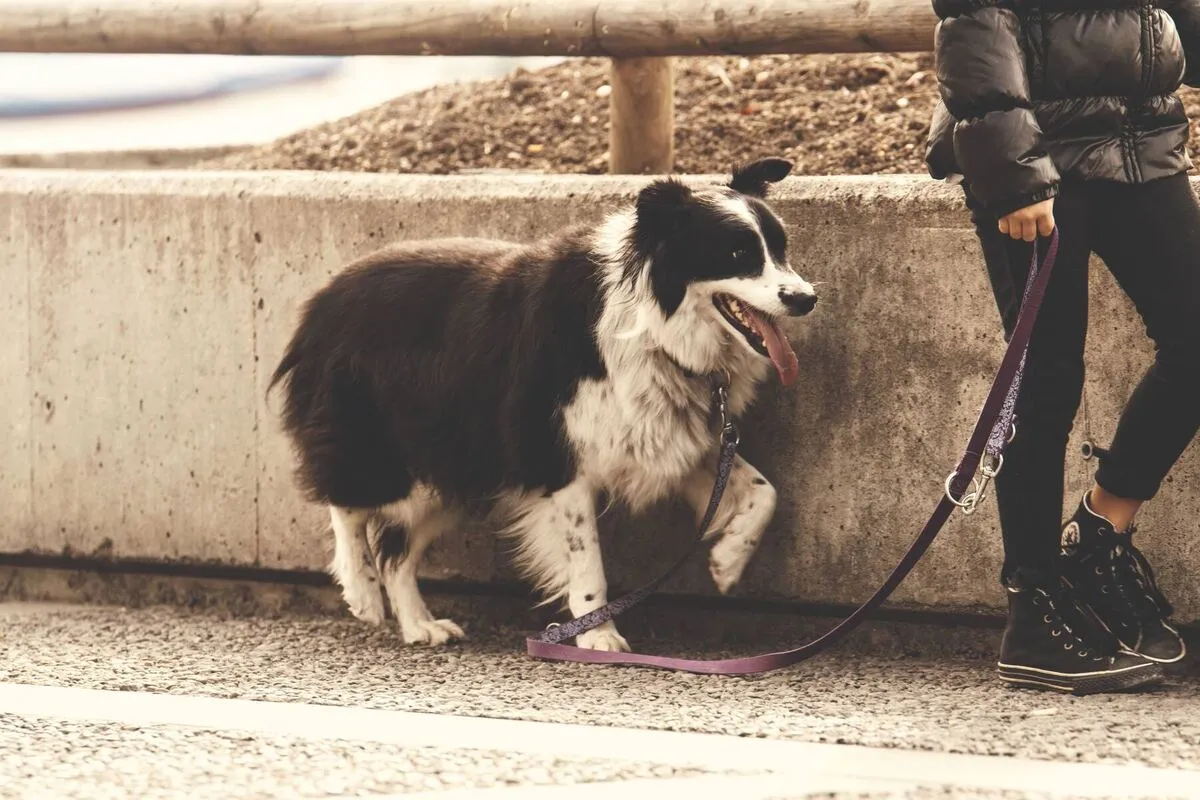
Let’s go, walking on a loose leash
- In a quiet place, start walking with your dog on leash.
- Keep walking as long as the leash is slack. When your dog pulls, stop and stand still.
- Wait until your dog comes back toward you and the leash goes slack, then walk on.
- Move to busier places as your dog gets the idea, and add a cue like “let’s go” as you set off.
Heel is a closer version, where your dog walks right at your side. Many owners use “let’s go” for relaxed walks and keep “heel” for busy streets.
Leave it
- Put a treat on the floor and cover it with your hand. When your dog stops trying to get it, say “yes” and reward with a better treat from your other hand.
- Start uncovering the treat, ready to cover it again. Reward when your dog looks away.
- Practice standing up with your dog on leash, covering the food with your foot.
- When your dog leaves the food every time, say “leave it” as you put it down.
Never let your dog have the treat they left. The reward always comes from you.
Drop it
Play tug with a fairly boring toy. After a few seconds, say “drop it” and hold a treat to your dog’s nose; when the toy drops, praise and reward, then go back to the game. Over time, use more exciting toys and reward the drop with another round of tug.
Tug with a toy is also a good outlet for a mouthy puppy, and these tips on puppy biting show how to stop the game calmly when teeth touch skin.
Off and sit to greet
Use “off” for four paws back on the floor, and reward the moment they land. For visitors, tether your dog on leash, ask for a sit, and let a helper come closer only while your dog stays sitting.
German dog commands
Some owners like German cues, especially for working breeds like the German Shepherd, because the words sound different from everyday talk. Dogs don’t understand one language better than another; they learn whatever sound you pair with the action.
If you choose German, use it for every command and teach each word with the same steps as above. These are the common ones:
| English | German |
|---|---|
| Sit | Sitz |
| Down | Platz |
| Stay | Bleib |
| Come | Komm |
| Here | Hier |
| Heel | Bei Fuß |
| Drop it | Aus |
| Stand | Steh |
| Shake | Gib Pfote |
| Fetch | Hol |
| No | Nein |
Everyone at home needs to use the same words, so write the list down. If you’d like a name to match, these German dog names suit a dog who learns German cues, as long as the name sounds unlike the cues. Mixing English and German for the same action confuses a dog the same way two English words would.
Switching a cue to German
If your dog already knows a cue in English, you can teach the German word on top of it. Say the new word, then the old one, and reward; after a while, drop the English word and keep the German one.
When a command isn’t working
Every dog has a command that won’t come together. That usually means one step is too big, the place is too busy, or the reward isn’t worth the effort.
Go back a step
If your dog loses focus, you’ve moved too far too fast. Yawning, lip licking and looking away are common dog body language signs that a session has become too much. Go back to the last step that worked, in a quieter place, and build up again in smaller pieces.
Don’t repeat the cue
Saying “sit, sit, sit” teaches your dog that the first one doesn’t count. Say it once; if your dog doesn’t respond, help them with the lure and try again later.
Don’t use a cue you know your dog won’t follow yet, especially “come” in a busy park. Use a long leash until the command is solid.
Practice everywhere
A dog who sits perfectly in the kitchen may not sit at the park. Practice each command in new places, with better treats, before you rely on it.
For the first months of training a puppy, including potty training and the crate, start with the Training guide.