German Shepherd Size, Coat and Loyal Nature
The German Shepherd at a glance: size and build, the double coat and long haired dogs, a loyal and confident nature, exercise, puppy training and history.

By Maren Whitlock · Published
German Shepherd at a glance
- Size
- Large
- Adult weight
- 50 to 90 lb
- Height
- 22 to 26 in
- Coat
- Medium, double
Typical figures for the breed. Any one dog can be bigger or smaller than these.
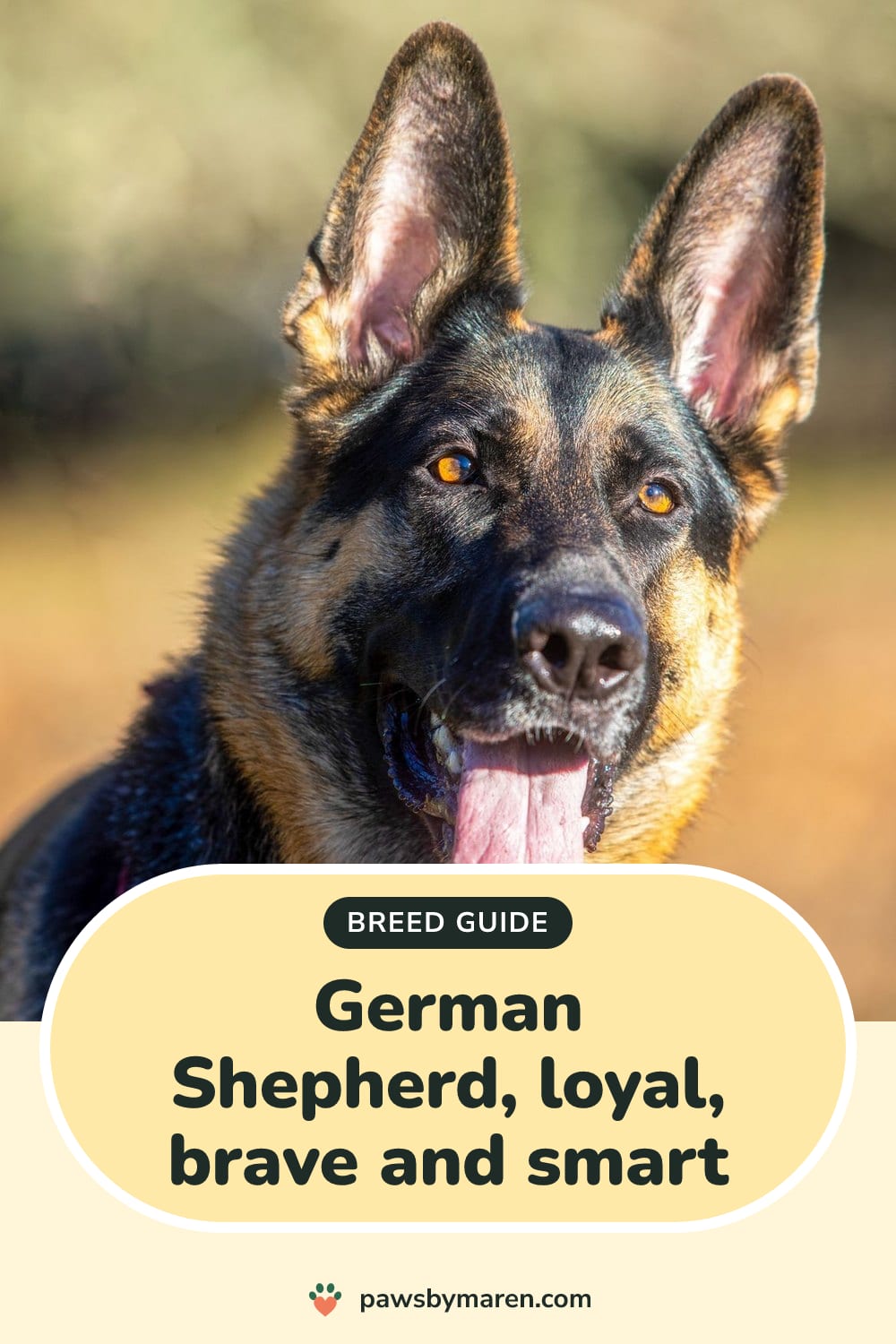
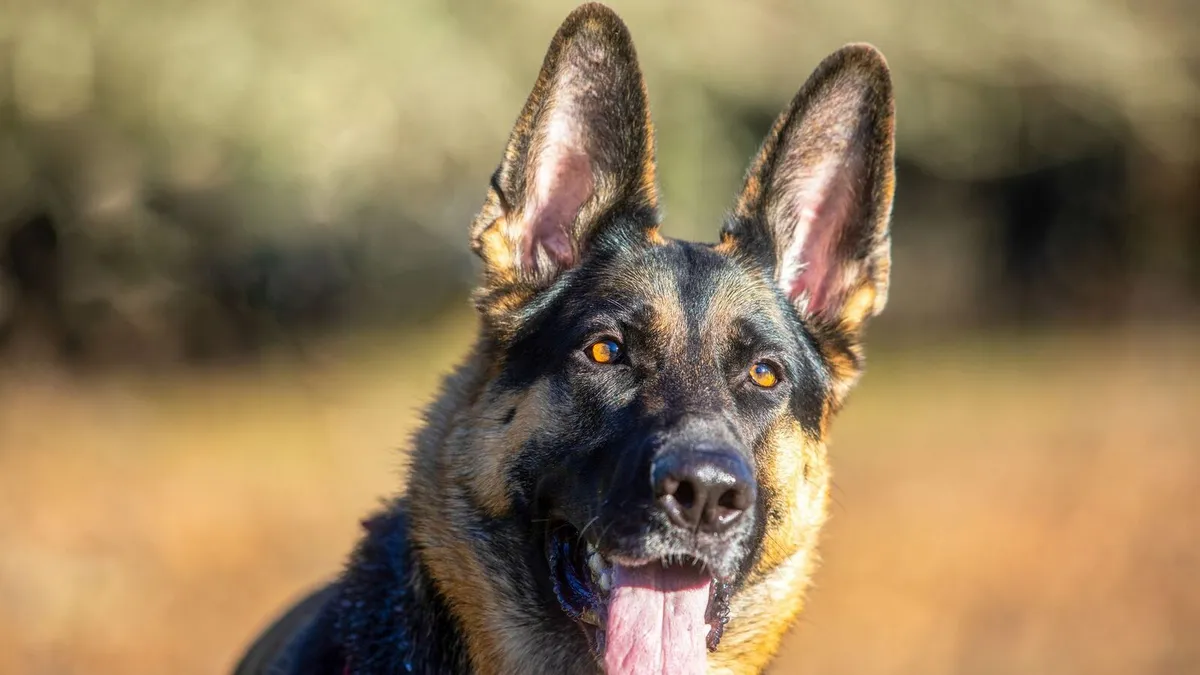
The German Shepherd is a large, agile working dog known for its loyalty, courage and intelligence. It’s a devoted family companion and a steady guardian, and it thrives with an active owner who enjoys training and time outdoors.
The card above shows the breed’s typical size and coat. Below are its character, the coat and long haired dogs, exercise, puppy training, family life and the breed’s history.
Size and build
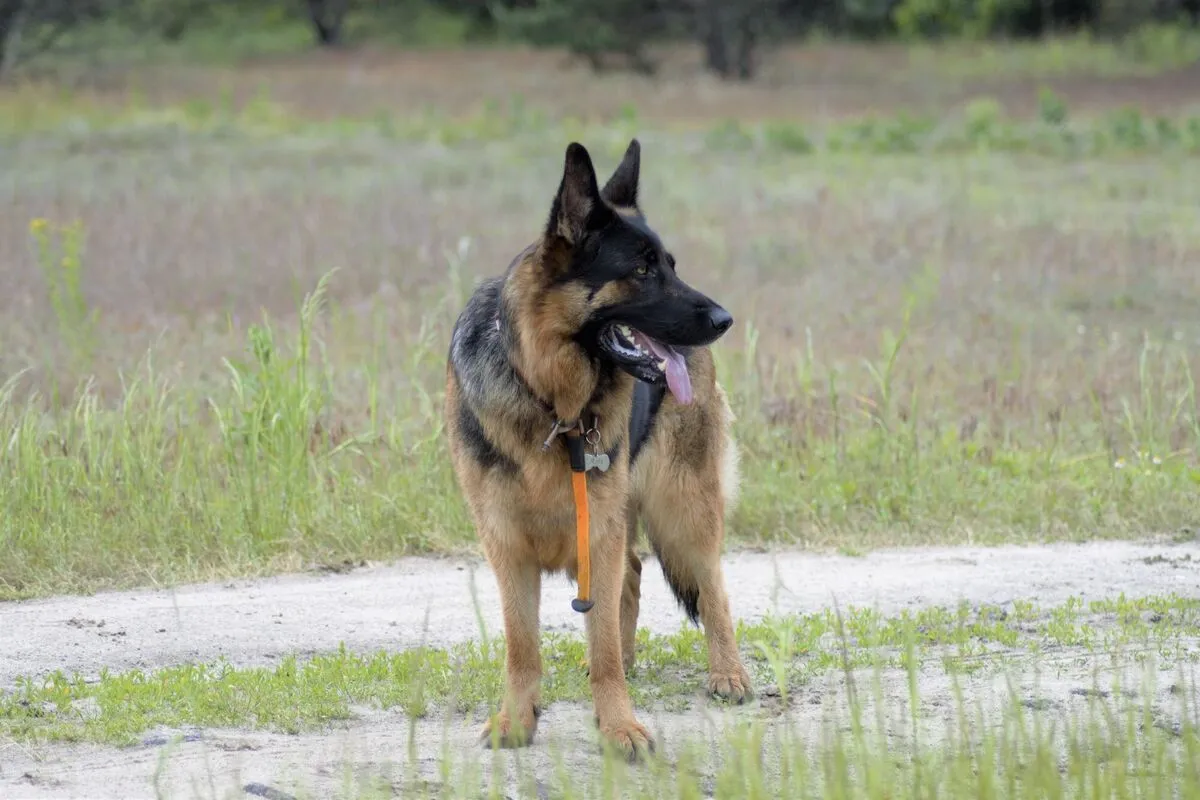
The German Shepherd is a large, muscular dog that’s longer than it is tall. Seen from the side, its outline is a picture of smooth, graceful curves rather than sharp angles.
Its natural gait is an easy, ground-covering trot, and it can switch to great speed when it needs to. The whole dog looks strong and athletic without any heaviness.
The head is strong and clean-cut, with a long, wedge-shaped muzzle and a black nose. Together with the tall, upright ears, it gives the breed its alert, noble look.
Female German Shepherds
Females are a little shorter and lighter than males, and they often look a touch more refined. The card above covers the full range, from the smaller females to the bigger males.
Planning for a big dog
A grown German Shepherd needs room to move, a big crate and a sturdy bed. The puppy growth chart shows the breed’s adult weight and height next to dozens of others, which helps when you plan for a puppy.
A loyal, confident nature
German Shepherds are prized for their character. Loyalty, courage and confidence sit alongside a sharp mind that can learn cues for many different tasks.
At home, a German Shepherd can be a gentle, playful family pet and a steady guardian at the same time. It bonds deeply with its people and is often especially devoted to one main caretaker.
Reserved with strangers
The breed has a certain aloofness with people it doesn’t know. A German Shepherd usually watches new people calmly rather than greeting everyone, and it warms up once it decides a visitor is a friend.
Protective, not quarrelsome
A German Shepherd is protective of its family and home. It isn’t a picky fighter by nature, but that protective streak is one reason early training and socialization matter so much.
Playful at heart
Behind the serious working image is a dog that loves to play. Many German Shepherds are affectionate, playful family companions, happiest with a ball or a tug toy and a family that joins in.
The double coat and long haired dogs
The German Shepherd has a medium-length double coat. The outer coat is dense, harsh and lies close to the body, with a softer undercoat beneath it.
The coat is easy to keep, but it sheds. Brush every few days to remove loose hair, and expect heavier shedding once or twice a year, when more frequent brushing keeps the hair off your furniture. The dog grooming routine for a double coat covers the tools that help most.
Long haired German Shepherds
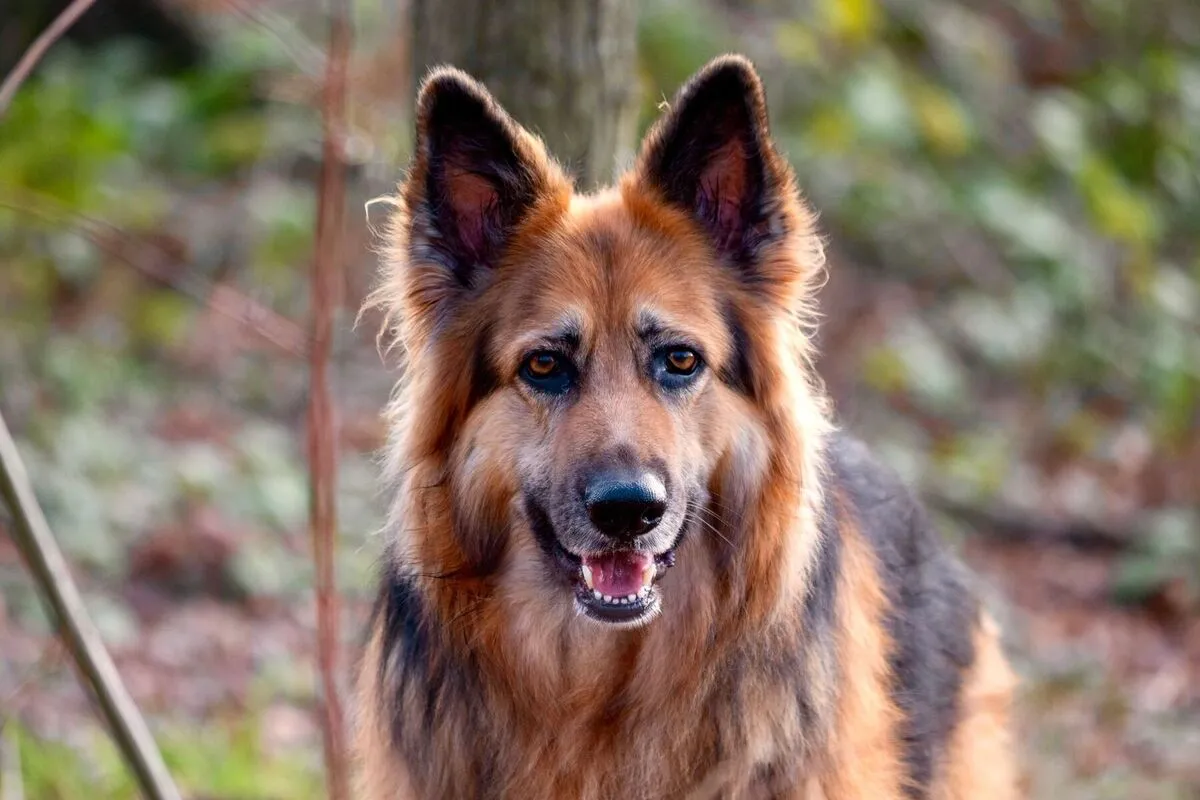
Some German Shepherds grow a longer, softer outer coat, which gives them a fluffier look. A long haired German Shepherd is the same breed, not a mix or a separate breed.
The breed standard asks for a medium coat and lists a too-long outer coat as a fault, so long coats don’t do well in most shows. The AKC offers a separate long coat class only at the breed’s national specialty show.
Grooming routine
A German Shepherd needs only an occasional bath. Trim or grind the nails every month if they don’t wear down on their own, since overly long nails can cause pain.
Colors
Black and tan is the classic look, and the breed also comes in sable, solid black, black and red, black and cream, white and other colors. Coat color doesn’t change the dog’s size or nature.
Exercise and a job to do
This is a very active, athletic breed that needs lots of exercise for both body and mind. A German Shepherd without enough to do gets frustrated and may find its own jobs, like chewing, digging or barking.
Daily walks, runs and games of fetch are a good base. Keep your dog on leash outside a fenced area, since even a well-trained dog can be distracted by something exciting.
Dog sports
Agility, herding, tracking and dock diving give a German Shepherd great physical and mental exercise. They’re fun for the owner too, and a good way to build a strong bond.
Working dogs
German Shepherds work as police and military dogs, service dogs and sentinels around the world, and they shine in obedience and agility too. Their trainability and devotion make them one of the most versatile working breeds.
Exercise for puppies
A German Shepherd puppy needs short daily walks and play sessions in a safely fenced area. Build up slowly as your puppy grows, and keep training sessions short and fun.
German Shepherd puppies and training
Early socialization and puppy training classes are vital for a German Shepherd. Calm, positive meetings with many people, places and sounds help a puppy grow into an adaptable, well-mannered adult.
Keep obedience training going for life. German Shepherds are highly intelligent and can learn dozens of cues, and consistent, reward-based training brings excellent results.
First lessons
Sit, down, come and leave it are the place to start, and the dog commands guide has simple steps for each. Many German Shepherd owners like German cues, and that guide lists those too.
The crate and the house
A crate gives a big puppy a safe place to rest and makes potty training easier. The steps for crate training a puppy start with short, happy visits and build up from there.
Sharp puppy teeth
German Shepherd puppies are mouthy, and their teeth are sharp. These steps for puppy biting teach a gentle mouth with toys, short breaks and plenty of naps.
Family life with a German Shepherd
German Shepherds are extremely bonded to their people and are happiest living with their family. Raise your dog in the house and include it in daily life, rather than leaving it in the yard.
Children
German Shepherds are known to be good with children in their own family. Because they’re big and strong, supervise play with young children, and teach kids to be calm and gentle around the dog.
Other dogs and pets
Many German Shepherds get along with other dogs, with supervision at first. Introduce new pets slowly, and give everyone their own space while they get to know each other.
Space and time
A German Shepherd doesn’t need a huge house, but it does need daily exercise and company. Long days alone are hard on such a people-focused dog, so plan for walks, play and training every day.
A securely fenced yard is a bonus for play, but it doesn’t replace time with you. Your German Shepherd will always prefer a walk together to an afternoon outside alone.
Where the German Shepherd comes from
The German Shepherd descends from German herding dogs that, until the late nineteenth century, varied in type from one district to the next. A German cavalry officer, Captain Max von Stephanitz, set out to create the ideal herding dog.
He and other breeders crossed herding dogs from northern and central Germany, producing the ancestors of today’s German Shepherd. Von Stephanitz also co-founded the first club for the breed and spent decades promoting it.
From the pasture to police work
The breed was first made to herd sheep, and its intelligence, agility and air of authority were shaped in the pasture. As herding jobs declined, von Stephanitz promoted the German Shepherd as a police and working dog.
Fame in America
German Shepherds became popular in the United States in the early 1900s, helped along by the canine movie stars Rin Tin Tin and Strongheart. In Britain the breed was long called the Alsatian, a name some people still use.
Today the German Shepherd is one of the most popular and recognizable breeds in the United States, and the first choice of police and military units around the world.
Is a German Shepherd right for you
A German Shepherd is a wonderful partner for an active person or family who enjoys training, long walks and being outdoors. It rewards that time with loyalty, protection and a playful, loving nature.
It’s a harder fit for someone who’s away a lot, prefers a quiet routine or doesn’t want dog hair on the furniture. Without exercise, training and company, a German Shepherd can become frustrated and hard to manage.
Before you decide
Think about who will train the dog, where it will run and how you’ll handle the shedding. A breed club or a rescue that knows German Shepherds can tell you more about life with one.
Comparing big breeds
If you’re still choosing, these large dog breeds compare the German Shepherd with the Golden Retriever, the Rottweiler and other big family dogs.
Naming a German Shepherd
The dog names by breed page lists the names real German Shepherds carry most, a good start for a smart, loyal dog.