Border Collie Size, Temperament and Care
The Border Collie at a glance: size and build, the rough and smooth coats, a bright and busy personality, exercise, puppy training and herding roots.

By Maren Whitlock · Published
Border Collie at a glance
- Size
- Medium
- Adult weight
- 30 to 55 lb
- Height
- 18 to 22 in
- Coat
- Medium, wavy and double
Typical figures for the breed. Any one dog can be bigger or smaller than these.
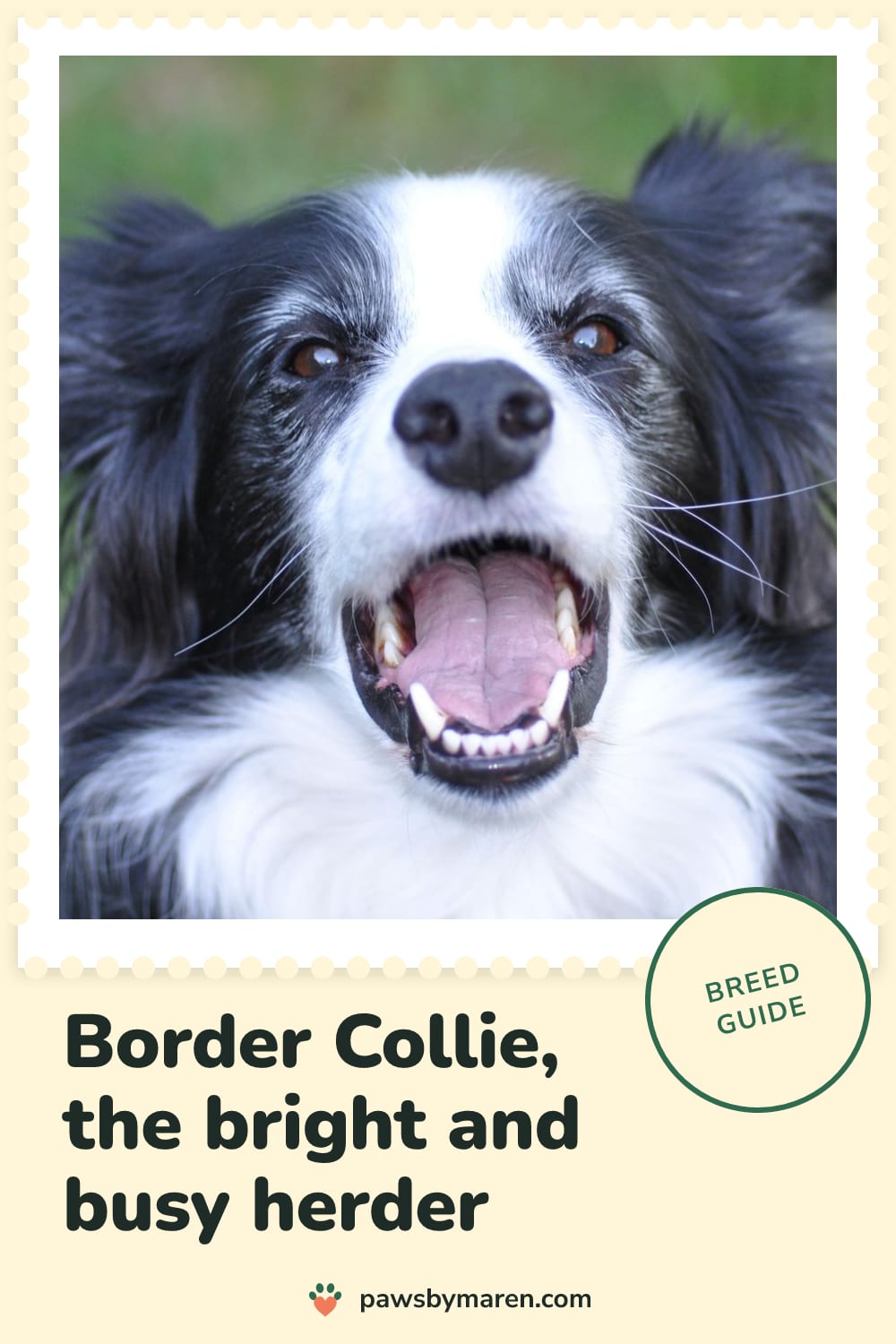
The Border Collie is a bright, athletic herding dog with an intense stare and energy to spare. It loves a job, learns fast and bonds closely with its family, and it needs an active home that can keep its busy mind occupied.
The card above shows the breed’s typical size and coat. Below are its personality, the two coat types, exercise, puppy training, family life and where the breed comes from.
Size and build
The Border Collie is a medium dog, muscular but light on its feet. It’s built for long days of running, turning and crouching in the field, and it moves with balance and grace.
Males are usually a little taller than females, and the weight range is wide, from slim working dogs to sturdier ones. The card above shows the typical range for adults.
The herding eye
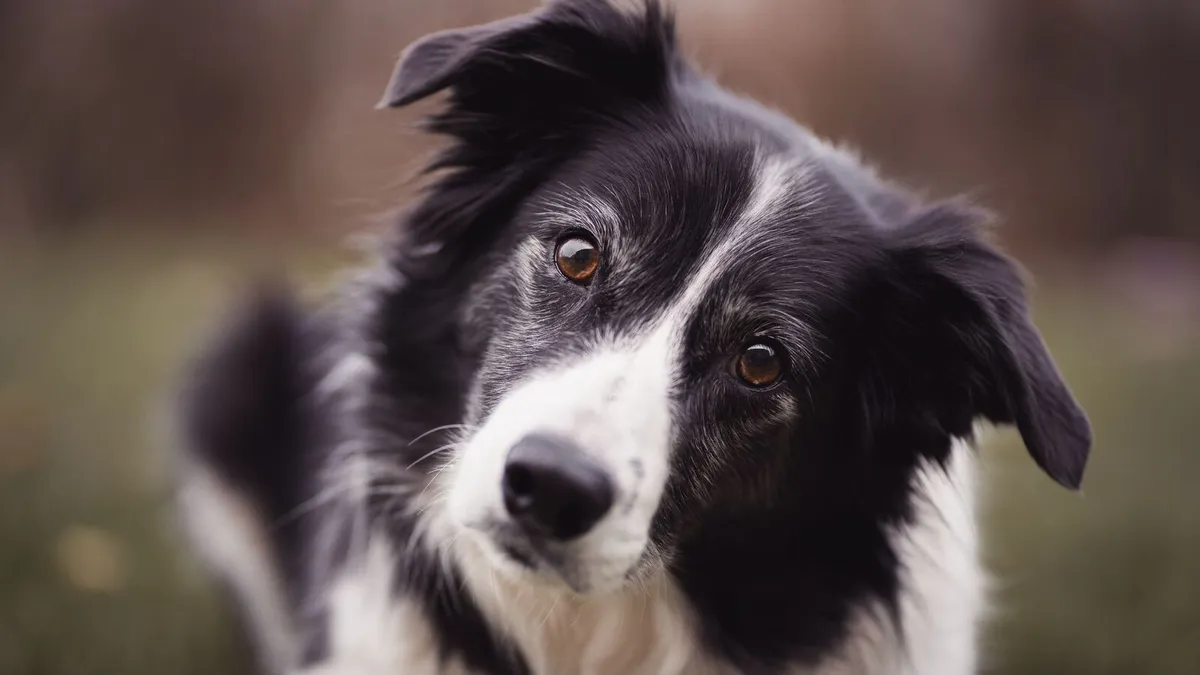
The almond eyes are the breed’s trademark. A Border Collie watches sheep, toys and people with an intense, steady gaze known as the herding eye, often while crouching low before it moves.
No miniature size
The breed comes in one size. A dog sold as a mini Border Collie is a small dog of the breed or a mix with a smaller breed, so its adult size is hard to predict.
The puppy growth chart shows the adult weight and height of the Border Collie next to dozens of other breeds, which helps when you plan a crate, a bed and a car.
A bright and busy personality
A Border Collie is a workaholic with a sharp mind. It notices everything, learns new cues quickly and wants something to do, whether that’s herding, training or a game of fetch.
At home, the same dog can be soft and affectionate. Once the work or play is done, most Border Collies settle down happily for cuddle time with their people.
Friendly but reserved
Border Collies are amiable with friends and family, and they may be reserved with strangers. Many like to bark and be vocal, and they are quick to notice anything new.
Funny habits
Much of the breed’s humor comes from its herding instinct. A Border Collie may crouch and stare at a ball for ages, circle the family on a walk, or try to herd the vacuum cleaner.
Without enough to do, a bored Border Collie invents its own jobs. That can mean digging, chewing, barking or herding the children, so daily work and play matter.
The rough and smooth coats
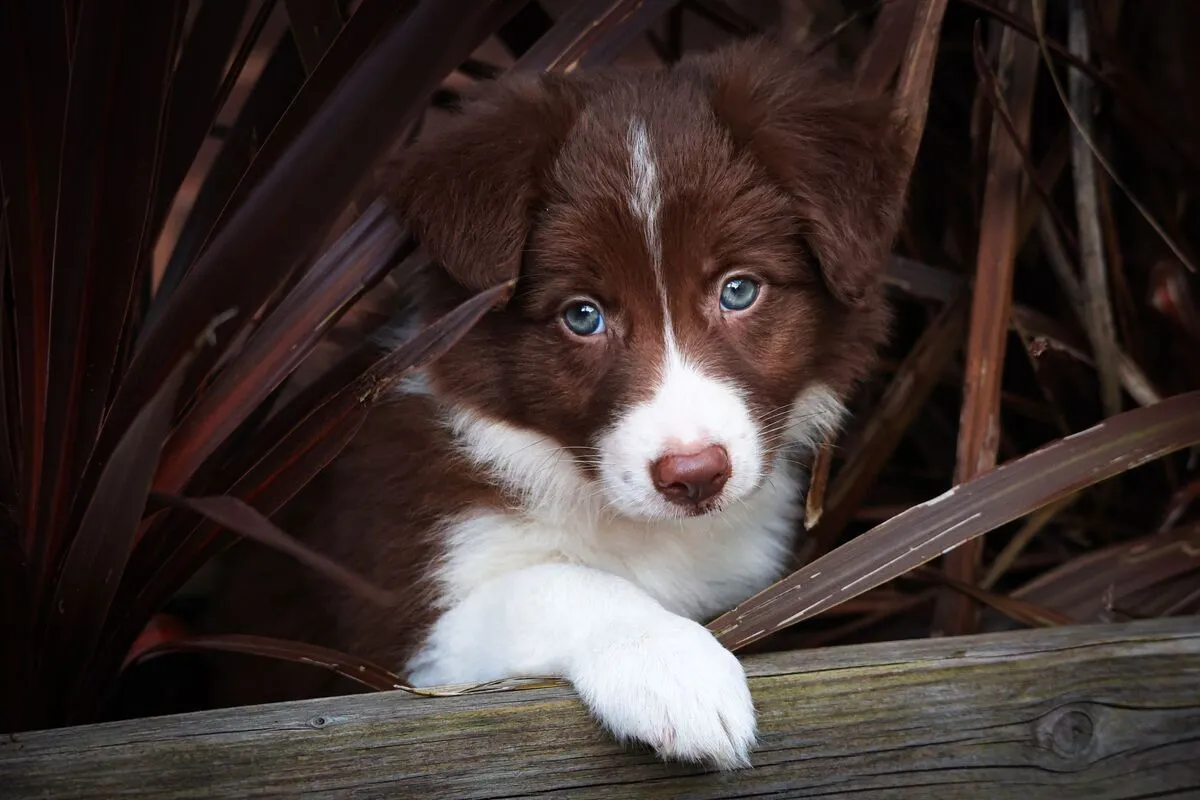
The breed has two coat types. The rough coat is medium length and feathered, and it’s the look most people picture. The smooth coat is shorter and coarser, so a short haired Border Collie is simply a smooth-coated dog of the same breed.
Both coats are dense, weather-resistant double coats. They come in many colors and patterns, from the familiar black and white to red, blue and merle.
Grooming
Grooming is the same for both coats. Go over the dog with a pin brush once or twice a week, and more often if needed, to keep the coat free of mats, tangles and dirt.
During shedding season, brush every day to catch the loose undercoat. Trim the nails regularly, and check the ears and brush the teeth as part of the routine.
Weather and the outdoors
The double coat protects a working dog in wind and rain. After a muddy walk, a quick towel and a brush through the feathering keeps the rough coat clean.
Exercise and a job to do
This is a high-drive, athletic breed that needs daily exercise far beyond a walk around the block or a quick romp in the yard. A Border Collie that doesn’t work needs vigorous exercise every day.
Just as important, the breed needs a job. Training, games and sports give a Border Collie the work it was bred for and keep it calm and happy at home.
Herding and dog sports
Border Collies excel at herding events, obedience, agility, rally and tracking. They also love fast games like flying disc and flyball, where their speed and focus shine.
Agility is a natural fit, since it combines running, jumping and listening for cues. Many local clubs offer beginner classes for dogs and owners new to the sport.
Busy work at home
On quiet days, give the mind a workout. Tricks are a great outlet for a dog that learns this fast, and these dog tricks start with easy ones like touch and spin.
Food puzzles, sniffing games and short training sessions also help. These dog enrichment ideas work well between longer outings.
Border Collie puppies and training
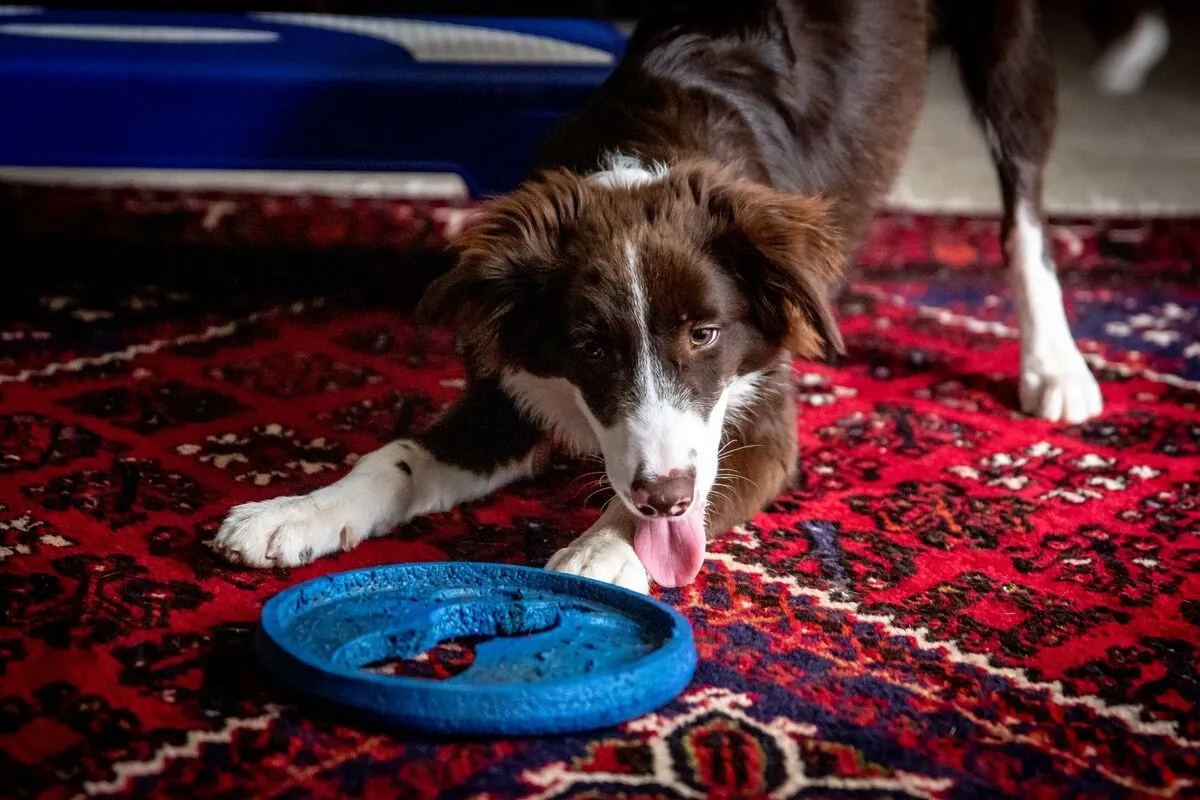
Early socialization matters for every puppy, and especially for a Border Collie. Give your puppy calm, positive meetings with many kinds of people, places and sounds from early puppyhood through about 7 months.
Start obedience training early and keep it going for life. Border Collies are highly intelligent and highly trainable, and regular training gives them the mental work they need.
First cues
Sit, down, come and leave it are easy wins for a quick learner, and the dog commands guide has simple steps for each. Keep sessions short and upbeat, since a young puppy tires fast.
Herding nips
Many Border Collie puppies nip at heels and hands as part of their herding instinct. Give them a toy to grab instead, and pause the game when teeth touch skin.
The steps for puppy biting work for herding nips too. Plenty of naps and play help, since an overtired puppy nips more.
Family life, children and other pets
Border Collies love their families and want to be part of everything. They do best in a home where someone is around most of the day, not with owners who prefer to stay indoors or travel a lot.
Long days alone are hard on such a social, busy dog. A Border Collie with company, exercise and a little training each day is a calm and loving housemate.
Children
Because they tend to herd animals and people, Border Collies do best with older, well-behaved children. Running toddlers can set off chasing and nipping, so supervise play and teach children to stand still when the dog gets excited.
Other dogs and cats
Many Border Collies get along with other dogs, with supervision at first. With cats, the herding instinct can show up as staring, circling or chasing.
Introduce a cat slowly, give the cat high places and quiet rooms to escape to, and reward the dog for calm behavior around it. A Border Collie that grows up with a cat often learns to share the house peacefully.
Where the Border Collie comes from
The breed’s story starts with the herding dogs that Roman and Viking invaders brought to Britain. Crosses between the large Roman dogs and the quick, smaller Viking herders produced compact, agile dogs suited to the hills of Scotland and Wales.
Over the centuries, breeders in the British Isles kept shaping these dogs for work. The Border Collie is one of the best known of the breeds they left behind.
The Border Collie takes its name from the borderland between England and Scotland. “Collie” is a Scottish dialect word for sheepdogs, and the breed was first classified as the Scotch Sheep Dog.
The world’s herding star
Border Collies have long dominated competitive sheepdog trials in the British Isles. Watch one work, with its sweeping outruns, low creeping and bursts of focused speed, and it’s easy to see why.
The breed joined the AKC Herding Group in 1,995. Today it’s a favorite in agility and other dog sports, as well as on farms, and it often tops lists of the smartest dog breeds.
Is a Border Collie right for you
A Border Collie is a wonderful partner for an active person or family who loves training, sports and time outdoors. It rewards that effort with a sharp mind, a loving nature and endless enthusiasm.
It’s a harder fit for a home that’s quiet, busy elsewhere or away a lot. Without daily exercise and a job to do, the breed’s energy turns into barking, chewing and herding the household.
Before you decide
Think about your week honestly. Plan for daily exercise, training every day and a way to keep the dog busy when you’re out, before a puppy comes home.
Decide who will train the dog, where it will run and what its job will be on busy days. A breed club or a rescue that knows Border Collies can tell you more about life with one. The Australian Shepherd is another bright, busy herding breed to compare.
Naming a Border Collie
Once you’ve found your dog, the dog names by breed page has Border Collie name ideas, from classic herding names to ones that suit a smart, speedy dog.