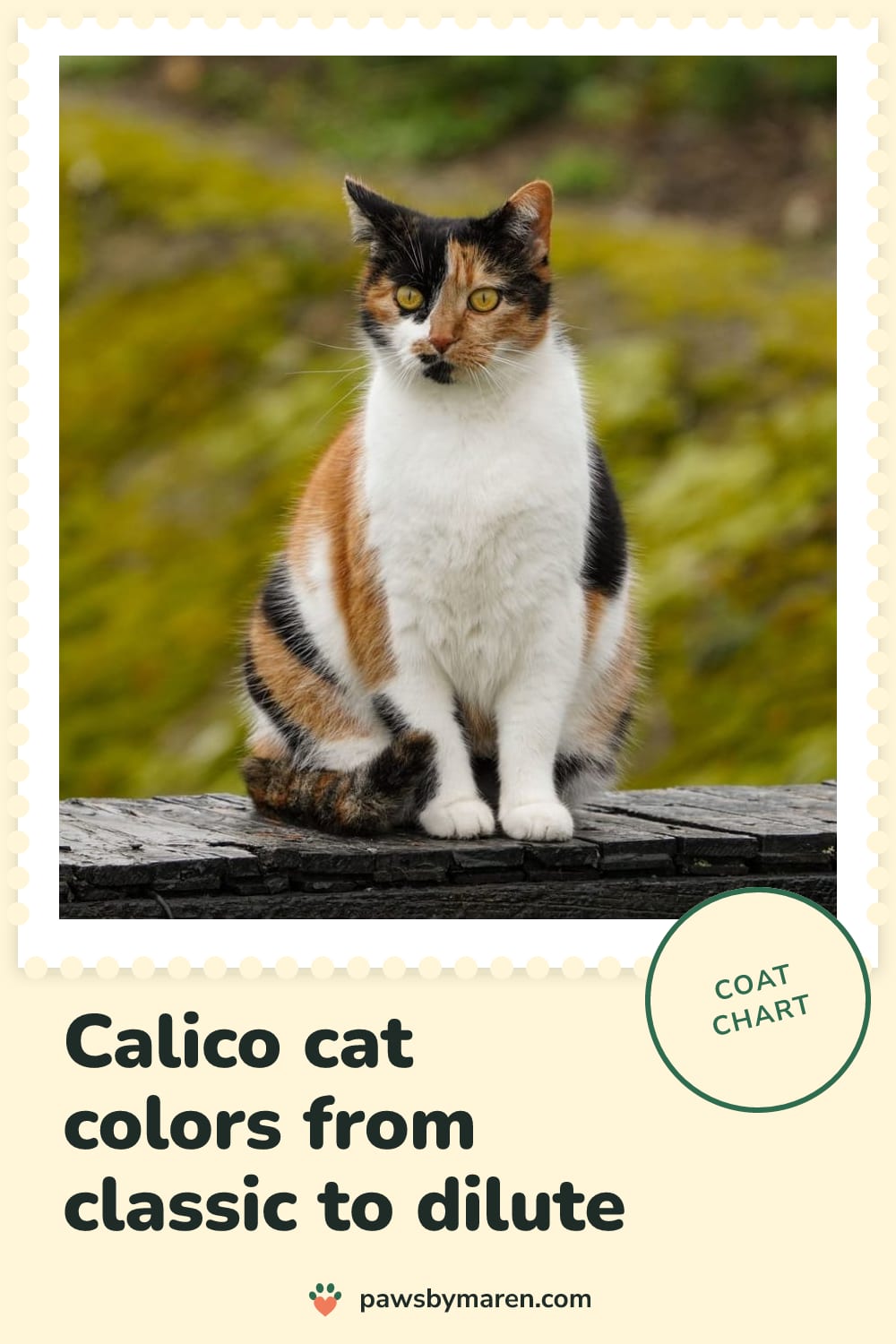
Calico Cat Colors and Why They Are Female
Calico cats explained: what makes a calico, why nearly every calico is female, dilute calicos, torties and patched tabbies, plus a printable coat chart.

By Maren Whitlock · Published
Calico and tortoiseshell coat chart
Calico
-
Calico
Also called tortoiseshell and white or tricolor
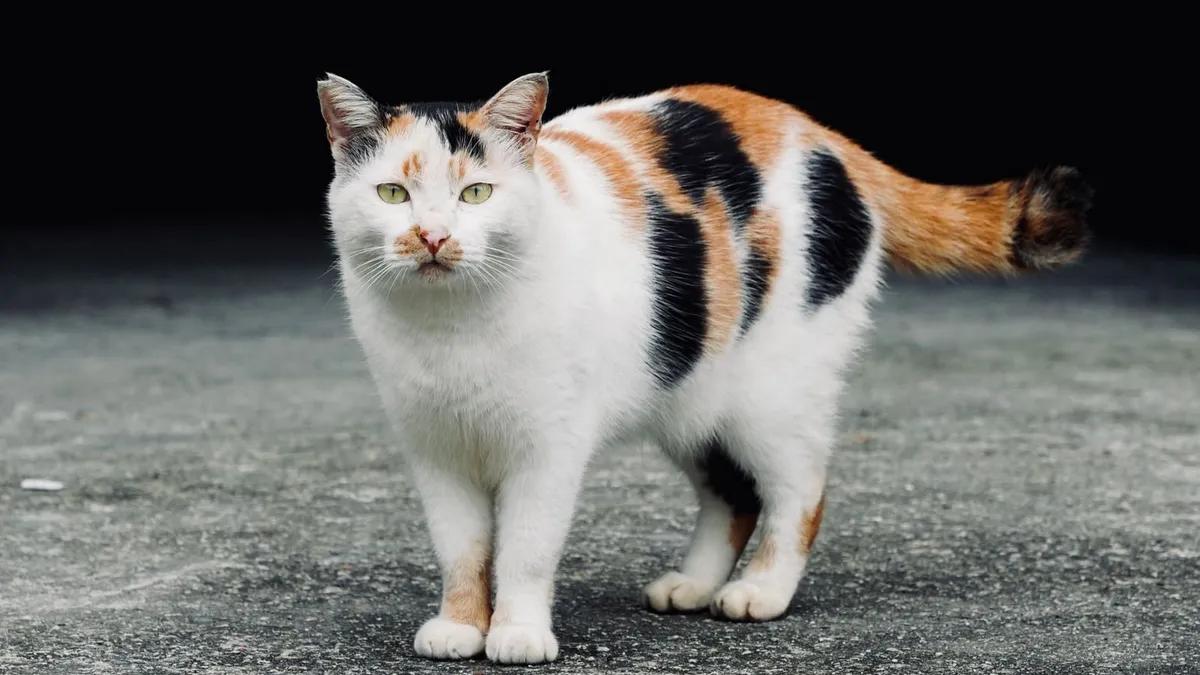
White with large solid patches of black and red.
-
Dilute calico
Also called blue and cream calico
White with soft patches of blue and cream instead of black and red.
-
Lilac and cream calico
White with pale patches of lilac and cream.
Without white
-
Tortoiseshell
Also called tortie
A black coat with patches of red all through it.
-
Blue-cream
A blue coat with patches of cream.
With stripes
-
Patched tabby
A brown, silver or blue tabby with patches of red or cream.
Coat names as the Cat Fanciers' Association uses them. Calico is a coat pattern, not a breed, and the patches come from the orange gene on the X chromosome, so nearly every calico is a female.
A calico cat is a cat with a white coat and large patches of black and red, and nearly every calico is female. Calico is a pattern, not a breed, and the chart below shows the calico, its softer dilute version and its close cousin, the tortoiseshell.
What makes a cat a calico
Cat fanciers describe a calico as a female cat with white and large solid areas of black and red. The same pattern can come in softer colors too, with blue and cream or lilac and cream in place of black and red.
Outside North America, the calico is often called a tricolor or a tortoiseshell and white. All three names describe the same thing: a cat with black-based and red-based color plus white.
Calico doesn’t define a breed. The pattern appears in many breeds and in plenty of mixed cats from shelters and rescues, so a calico can be fluffy or sleek, big or small.
The white in a calico
The white is what turns a tortoiseshell into a calico. On a calico, the white usually covers the chest, belly and paws, and the black and red sit in larger, clearer patches on the back and head.
A calico with only a little white can look a lot like a tortoiseshell with a white bib, which is why the two are so often mixed up.
Why calicos are almost always female
The gene for orange, which cat fanciers call red, sits on the X chromosome. Patching like a calico’s comes from that sex-linked orange gene, so a calico or tortoiseshell cat is most likely a female.
A female cat has two X chromosomes. She can carry the orange version on one and the black version on the other, and her coat shows both colors in patches.
A typical male cat has one X chromosome and one Y. He carries either orange or black, not both, so he can’t have the calico mix. Calico cats are almost exclusively female, except under rare genetic conditions.
Male calicos
A male calico does happen, but it’s rare. It takes an unusual set of chromosomes, most often a male with an extra X, so he can carry both orange and black like a female.
The same gene explains why most orange cats are male: a male needs only one copy of the orange version to be orange all over, while a female needs two.

Calico colors and patterns
Not every calico is black, orange and white. The chart above shows the main versions, and each one follows the same idea: two colors in patches, with or without white.
Dilute calico
A dilute calico has soft blue, a cool gray, in place of black and cream in place of red. The patches look gentle and pastel against the white, and the coat as a whole is much softer than a classic calico.
A lilac and cream calico is softer still, with pale, pinkish gray patches and cream on white.
Patched tabby
When the patches have stripes, the cat is a patched tabby. Cat fanciers use that name for a brown, silver or blue tabby with patches of red or cream, and with white added, she looks like a striped calico.
Tortoiseshell and blue-cream
A tortoiseshell is a black female cat with patches of red all through her coat, with little or no white. The colors run together into a mottled pattern rather than sitting in big, clear patches.
A blue-cream is the dilute version, a blue cat with patches of cream. Both can come with white, and with enough white they become a calico or a dilute calico.
Calico or tortoiseshell
The quickest way to tell a calico from a tortoiseshell is to look for white. A calico has large areas of white, and a tortoiseshell has little or none.
Look at the chest, belly and paws first. If they’re mostly white and the black and red sit in bold patches on top, you’re looking at a calico.
If the black and red are woven together all over, like the shell of a tortoise, and there’s little white, you’re looking at a tortie. Many cats sit somewhere in between, and both names describe the same orange gene at work.
The same rule works for the softer colors. A blue-cream with plenty of white is a dilute calico, and one with little or no white stays a blue-cream.
No two alike
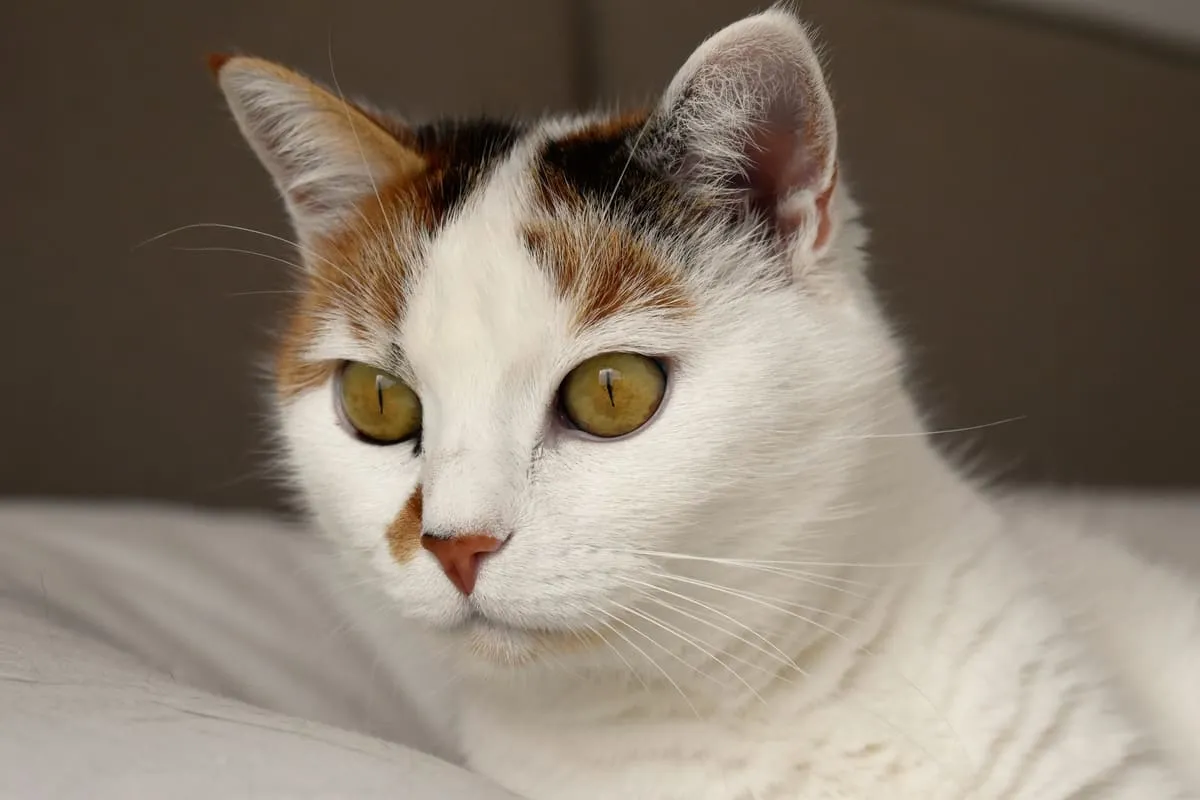
The way the black and red patches fall is set by chance as a kitten grows. That’s why no two calicos look exactly the same, even littermates from the same parents.
Calico cats and good luck
Calicos are believed to bring good luck in many cultures. In the United States, they are sometimes called money cats.
In Japan, the beckoning cat figures known as maneki-neko often show a calico, waving in good fortune for shops and homes. The calico is also the state cat of Maryland.
None of that changes the cat herself. A calico’s coat comes from her genes, and her personality comes from her own life, her age and the way she was raised. Treat her as the individual she is, and she’ll show you who that is.
Naming a calico
A patchwork coat inspires warm, cheerful names, from spice names to sweet treats. These calico cat names are all names real cats carry, with a name generator to try them out.
Print the chart above to keep the calico patterns handy, and use it to work out whether the next patchy cat you meet is a calico, a dilute calico or a tortie.