Orange Cat Patterns and Why Most Are Male
Orange cats explained: the four tabby patterns, cream and orange with white, why most orange cats are male, and a printable orange cat coat chart.

By Maren Whitlock · Published
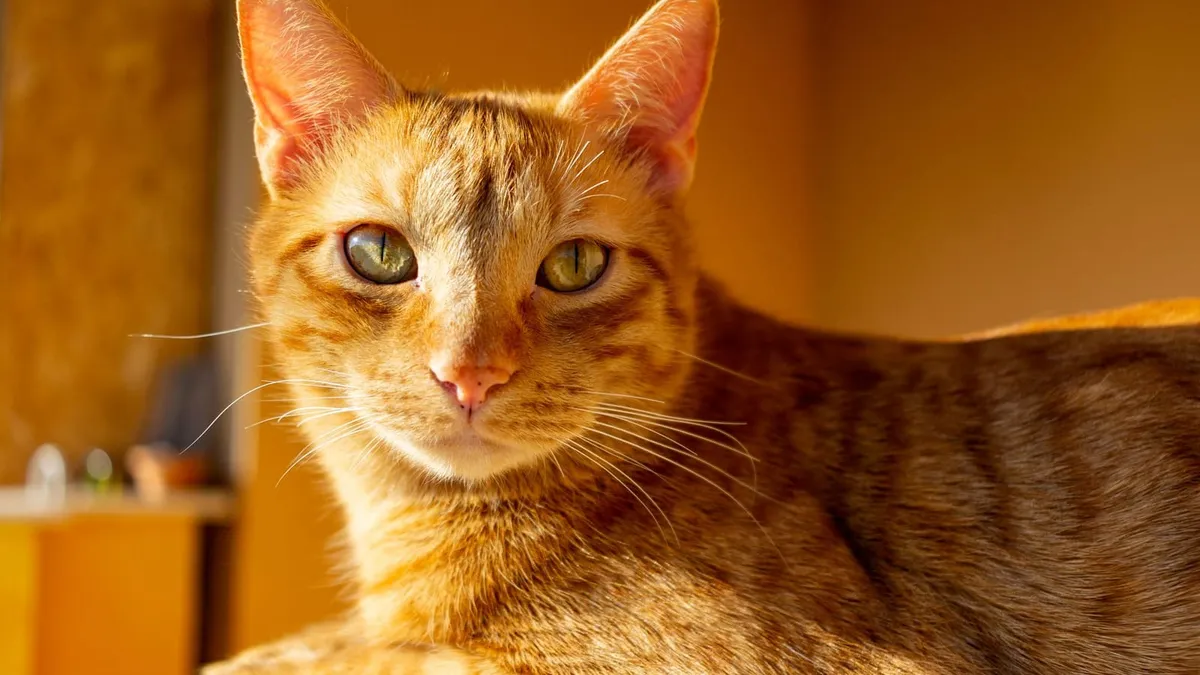
Orange cat coat chart
Tabby patterns
-
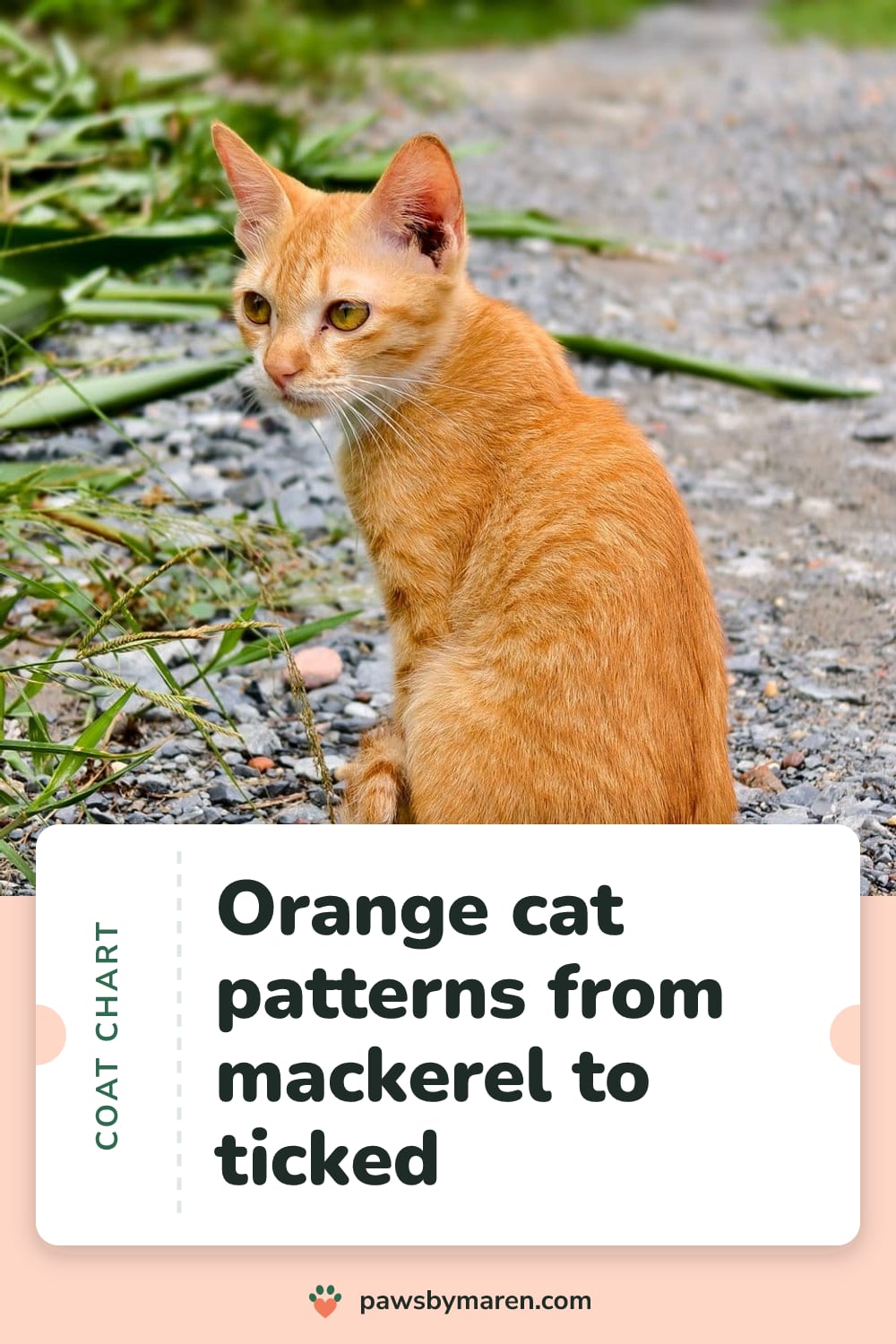
Mackerel tabby
Narrow stripes that run in parallel down the sides.
Most common
-
Classic tabby
Also called blotched tabby
Elaborate swirls on the sides instead of stripes.
-
Spotted tabby
Stripes or swirls that look broken up into spots of color.
-
Ticked tabby
Also called agouti tabby
Several bands of color on each hair, with few stripes on the body.
Colors
-
Red
Also called orange or ginger
What cat fanciers call an orange cat.
-
Cream tabby
Also called cream
A light beige background with darker beige stripes.
With white
-
Red tabby and white
Also called red bicolor
A red tabby coat with solid areas of white.
-
Red van
Also called bicolor van
More white than color, with most of the color on the ears and tail.
Coat names as the Cat Fanciers' Association uses them. Orange is a coat color, seen in many breeds and in plenty of mixed cats.
An orange cat is a cat with an orange coat, not a breed, and most orange cats are male. Orange cats come in four tabby patterns, in pale cream and with white, and the chart below shows each one with a swatch you can print.
What makes a cat orange
Orange is a coat color, and cats of many breeds wear it, along with plenty of mixed cats from shelters and rescues. Cat fanciers have their own word for it: in their terms, an orange cat is a red cat.
The color comes from a pigment. Researchers at Stanford Medicine traced the orange coat to a change in the DNA near a gene called Arhgap36.
That change switches the gene on in the cells that make pigment, where it isn’t normally active. The pigment those cells make turns the coat orange.
The gene sits on the X chromosome, one of the two chromosomes that set a cat’s sex. That one detail explains a lot about orange cats, as the next section shows.
Red, ginger and orange
Red, orange and ginger all name the same coat. Red is the word in cat shows and breed standards, ginger is common in everyday talk, and orange is what most people search for.
Whatever you call it, the shade can run from a deep, rusty red to a pale apricot. A pale coat with soft beige stripes is usually called cream, which has its own place in the chart.
Why most orange cats are male
The gene for the orange coat sits on the X chromosome. A male cat has one X chromosome, paired with a Y, so a single copy of the orange version is enough to make him orange all over.
A female cat has two X chromosomes. To be orange all over, she needs the orange version on both of them, which is much less likely, and that’s why most orange cats are boys.
Orange patches on a female cat
A female with the orange version on only one X chromosome doesn’t come out orange. Her coat shows patches of orange mixed with black or another color instead.
That patchwork is the tortoiseshell coat, and with white added, it becomes a calico. Because the patches come from the orange gene on the X chromosome, a tortoiseshell or calico cat is most likely a female.
So the same gene explains two things at once: why orange cats are mostly male, and why calico cats are almost always female. A male calico is rare.
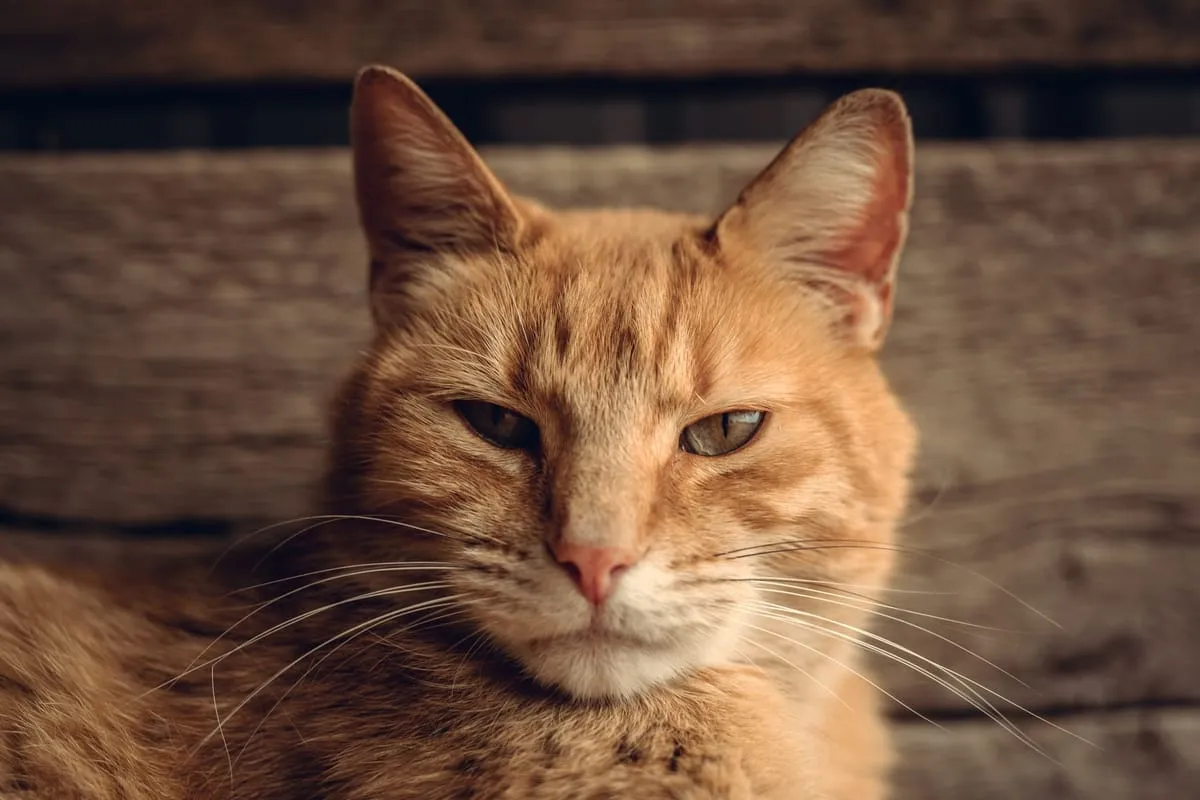
The four tabby patterns
Orange cats come in all four of the tabby patterns that cat fanciers name. Look along your cat’s sides, where the pattern is easiest to read.
Mackerel tabby
The mackerel tabby has narrow stripes that run in parallel down the sides, like the ribs of a fish. It is the most common tabby pattern, so it’s the one you’ll see on most orange cats.
Classic tabby
The classic tabby, also called the blotched tabby, has elaborate swirls on its sides instead of stripes. On an orange coat, those swirls look bold and marbled.
Spotted tabby
The spotted tabby looks like a mackerel or classic tabby whose stripes or swirls have broken into spots of color.
Ticked tabby
The ticked tabby has several bands of color on each hair, which gives the coat a soft, sandy look with few stripes on the body. Cat fanciers sometimes call it the agouti tabby pattern.
The M on the forehead
Most tabbies, orange ones included, have a dark M shape on the forehead. If your cat’s sides are hard to read, the M and the stripes on the legs and tail are a good sign that the pattern is there.
Cream, and orange with white
Not every orange cat is a deep, bright orange. Some are much paler, and many have white on the chest, the paws or most of the body.
Cream tabby
A cream cat is a yellow or beige cat. A cream tabby has a light beige background with darker beige stripes, so the pattern is softer and harder to see than on a red tabby.
Cream cats come in the same four tabby patterns as orange ones, from narrow mackerel stripes to the soft, banded look of a ticked coat.
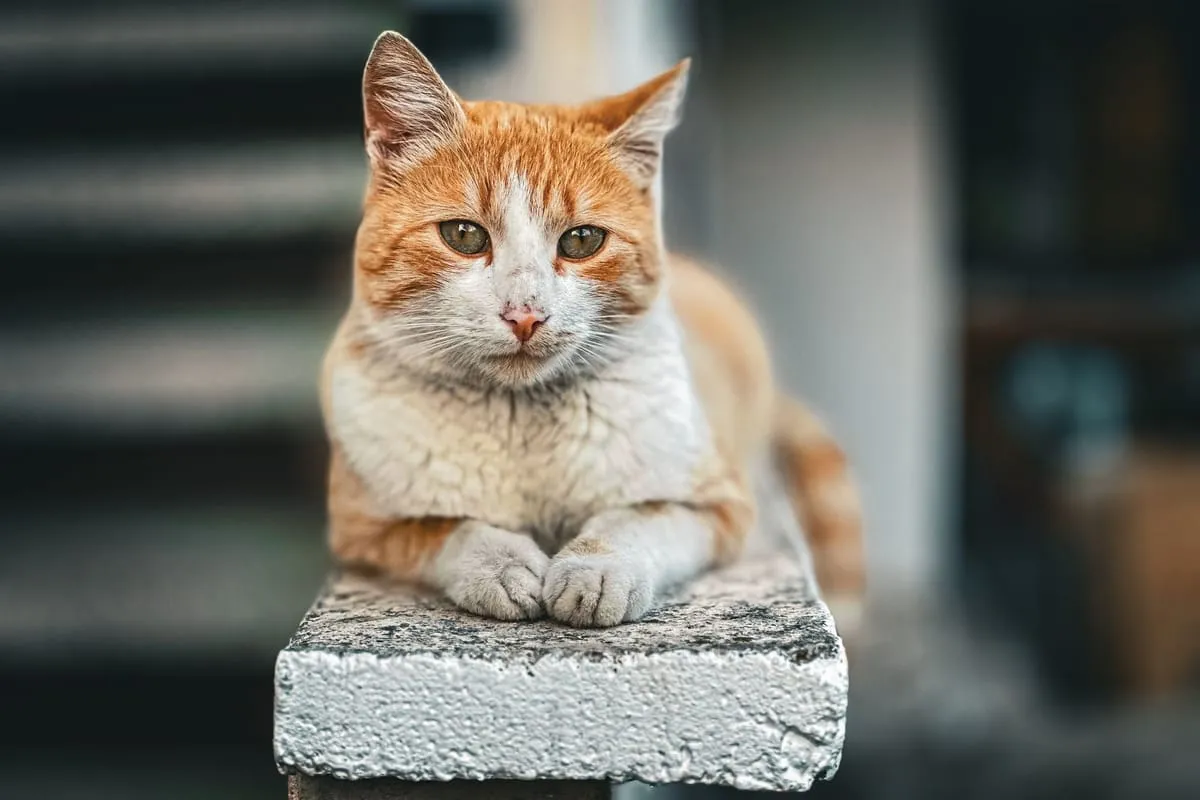
Red tabby and white
A bicolor cat has solid areas of white along with another color or pattern. Red and white is one of the usual bicolor combinations, and a red tabby and white cat has a striped orange coat with white areas.
The white often covers the chest, the paws and part of the face, so the cat looks like it’s wearing white socks and a bib.
Red van
When a bicolor cat has more white on it than color, cat fanciers call it a bicolor van. In a van pattern, most of the color sits on the ears and the tail, and the rest of the cat is white.
A red van is a white cat with an orange tail and orange patches on the head.
Orange cats and personality
Orange cats have a big reputation. Many owners describe them as friendly, bold and always hungry, and the internet has plenty to say about their chaotic streak.
The science doesn’t back that up yet. The researchers who found the gene behind the orange coat say orange cat behavior remains a mystery, and they haven’t linked the gene to personality.
One simple reason may be that most orange cats are boys, so any picture of the typical orange cat is mostly a picture of male cats. Your own cat’s personality comes from their age, their past and the way they were raised as much as from their coat.
Naming an orange cat
An orange coat brings warm names to mind, from fruit and spices to sunshine. These orange cat names are all names real cats carry, with a name generator for girls and boys.
For a striped coat, these tabby cat names have more ideas, and a pale orange cat can carry a sweet, creamy name just as well. Print the chart above to keep the patterns handy when you meet your next orange cat.