Persian Cat Breed Guide, Looks and Care
The Persian cat breed at a glance: a round, sweet face, a long flowing coat in many colors, a calm and quiet personality, daily grooming and its history.

By Maren Whitlock · Published
Persian cat at a glance
- Size
- Medium
- Adult weight
- 7 to 12 lb
- Coat
- Long
- Recognized by
- CFA, ACFA, FIFe, TICA
Typical figures for the breed. Any one cat can be bigger or smaller than these.
The Persian is a round, sweet-faced cat with a long, flowing coat and a famously calm nature. It’s quiet, affectionate and easy to live with, as long as you’re ready to brush that coat every day.
A round, sweet-faced cat
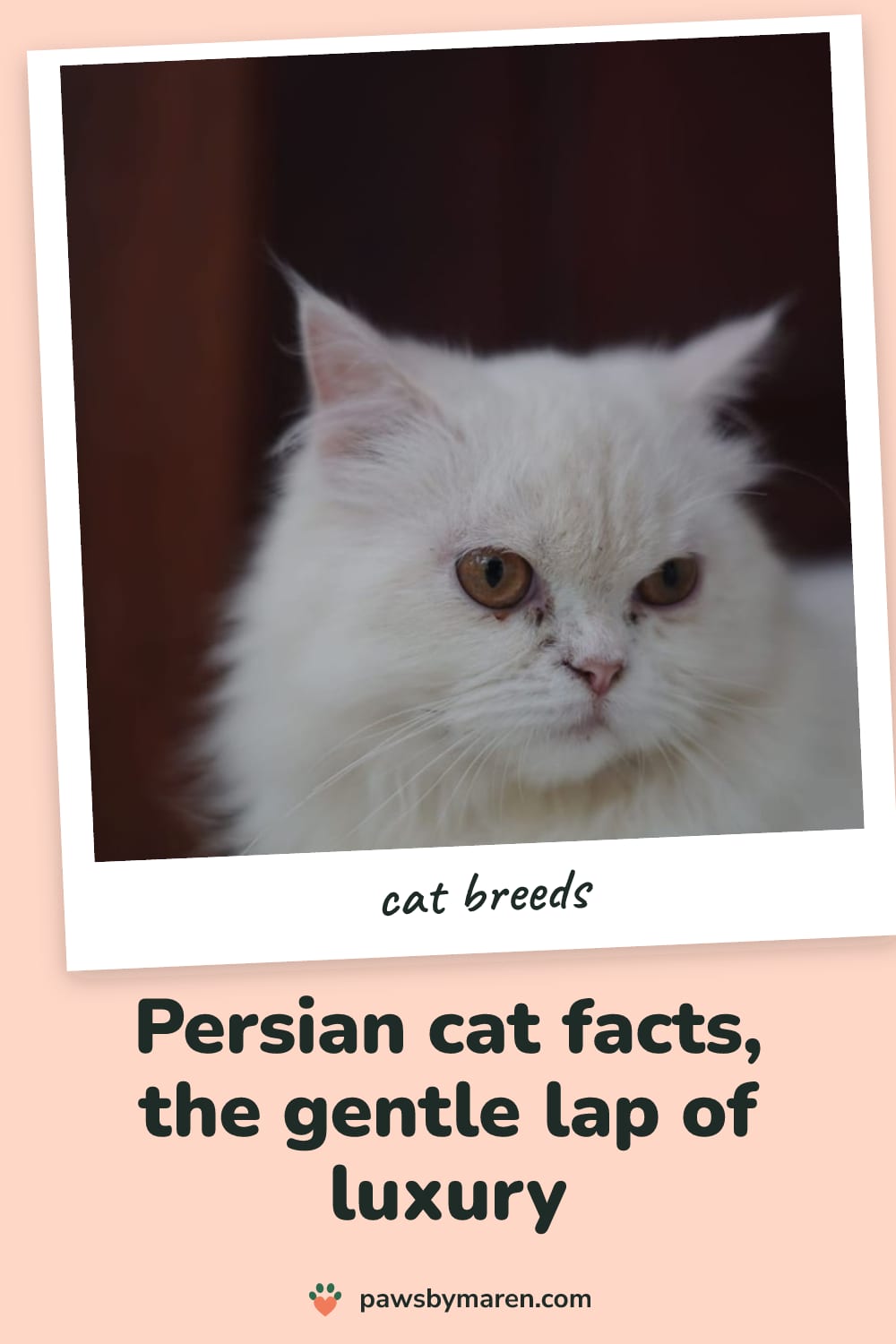
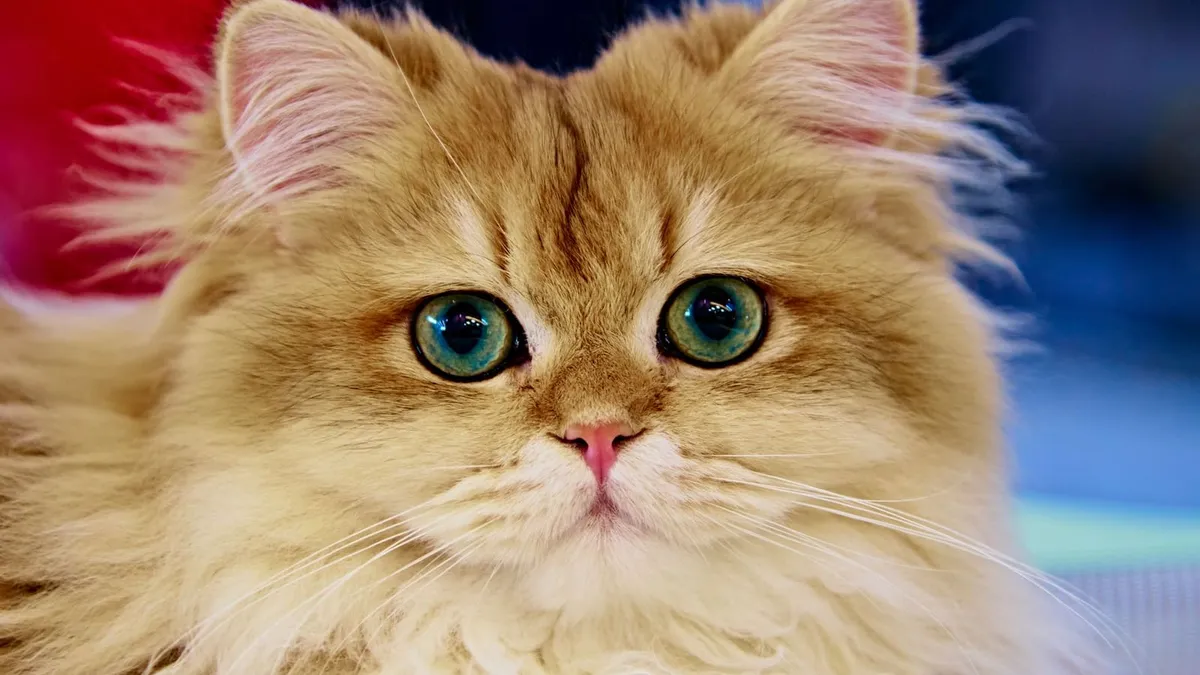
The Persian is known for looking round all over. It has a round, massive head, a short, snub nose and big eyes that give it a sweet, gentle expression.
The ears are small with rounded tips. The body is medium to large, heavily boned and muscular, on short, thick legs with large, round paws.
The tail is short in proportion to the body, with bushy fur. Put it all together, under that long coat, and you get the soft, cushion-like look the breed is famous for.
Persians are medium to large cats, and the card above shows their typical adult weight. Males are often larger than females, so a big boy and a dainty girl can look like different sizes of the same breed.
Eyes to match the coat
A Persian’s eyes are large and round, and their color depends on the coat. Persians can have blue, copper, green or hazel eyes, and some have one eye of each color.
A calm, quiet personality
Persians are known as sweet, affectionate and quiet cats. Cat fanciers describe them as easygoing and mellow, with a calm, even temper.
Because of their gentle nature, Persians are best suited to calm indoor homes. They enjoy being petted, children included, but they’re not the kind of cat that likes rough play.
A Persian is just as happy playing with a cat toy as lounging on a comfy piece of furniture. They’re glad when their people come home, but they don’t mind some quiet time alone in the house.
A soft voice and both feet on the ground
Persians aren’t demanding cats. When they want something, they’re more likely to tell you with their big, expressive eyes than with their soft, musical voice.
You’ll rarely find a Persian perched high on a cabinet. Most prefer to stay close to the ground, so a low, cozy bed matters more to them than a tall cat tree.
The coat and its colors
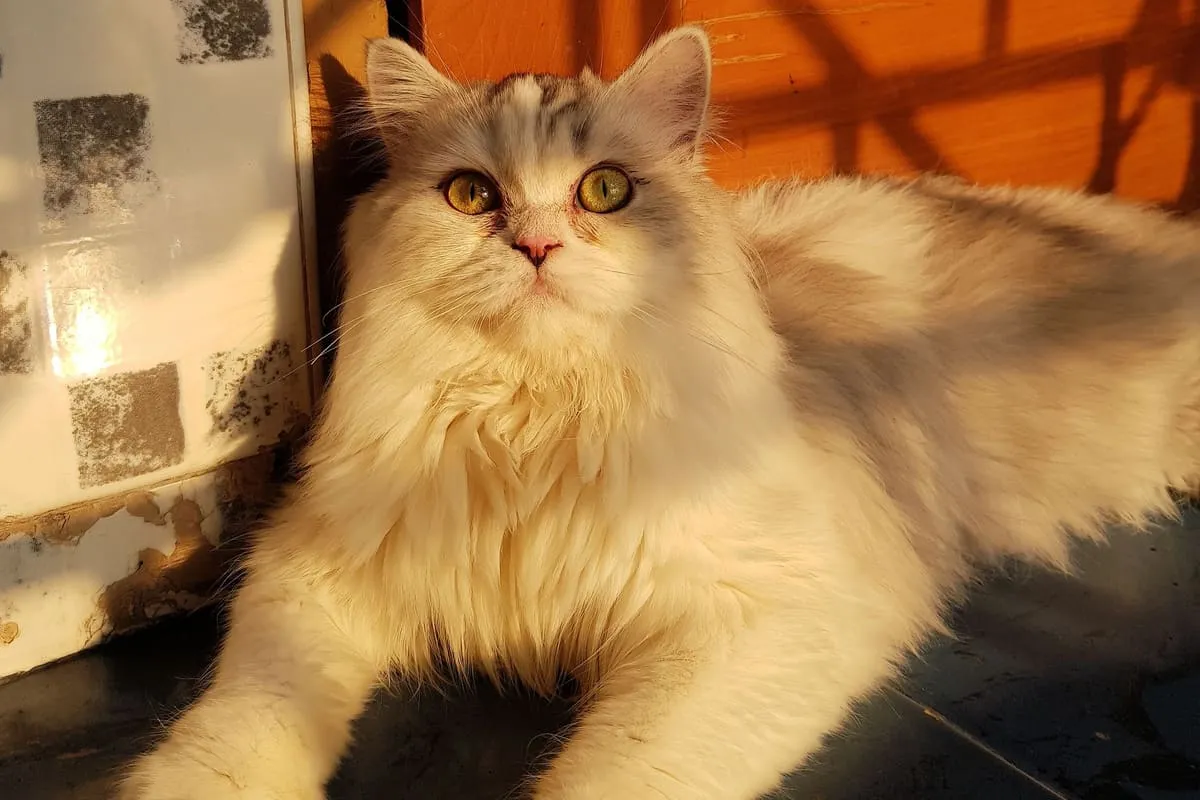
A Persian’s coat is long, thick and soft, and it stands out from the body rather than lying flat. A frill covers the shoulders and chest and runs down between the front legs.
Long tufts of hair grow between the toes and inside the ears. The whole effect is a cat that looks like a soft cloud.
The coat can be silky or soft and cottony, and the texture makes a real difference to how easily it tangles, as the grooming section below explains.
Every color and pattern
Persians come in so many colors that cat fanciers group them into seven divisions. They are solids, tabbies, silvers and goldens, shaded and smokes, parti-colors, calicos and bicolors, and Himalayans, which have a pointed coat like a Siamese.
That means a Persian can be white, black, cream, red, blue, chocolate, lilac, silver, golden, cameo or a patchwork like tortoiseshell, blue-cream or calico. If you love the look of a calico cat, there are calico Persians too.
Grooming a Persian
A Persian’s long coat is beautiful, and it takes work. Owning one calls for a serious commitment to regular grooming, and a good comb is essential for keeping the coat free of mats and tangles.
Every Persian needs brushing every day to prevent tangles and remove loose hair. Left alone, loose hair can turn into tangles and hairballs.
How easy the coat is to keep depends partly on its texture. A silky coat needs less work than a soft, cottony one, which tangles and stains more easily.
Baths and a gentle routine
Persians benefit from an occasional bath, and many come to enjoy it once they’re used to it. Start grooming early and keep sessions short and calm, with a treat or a game at the end.
Make grooming part of the daily routine, at the same time each day. A Persian who knows what to expect will settle into it much more easily than one who’s surprised by the brush.
Where the Persian comes from
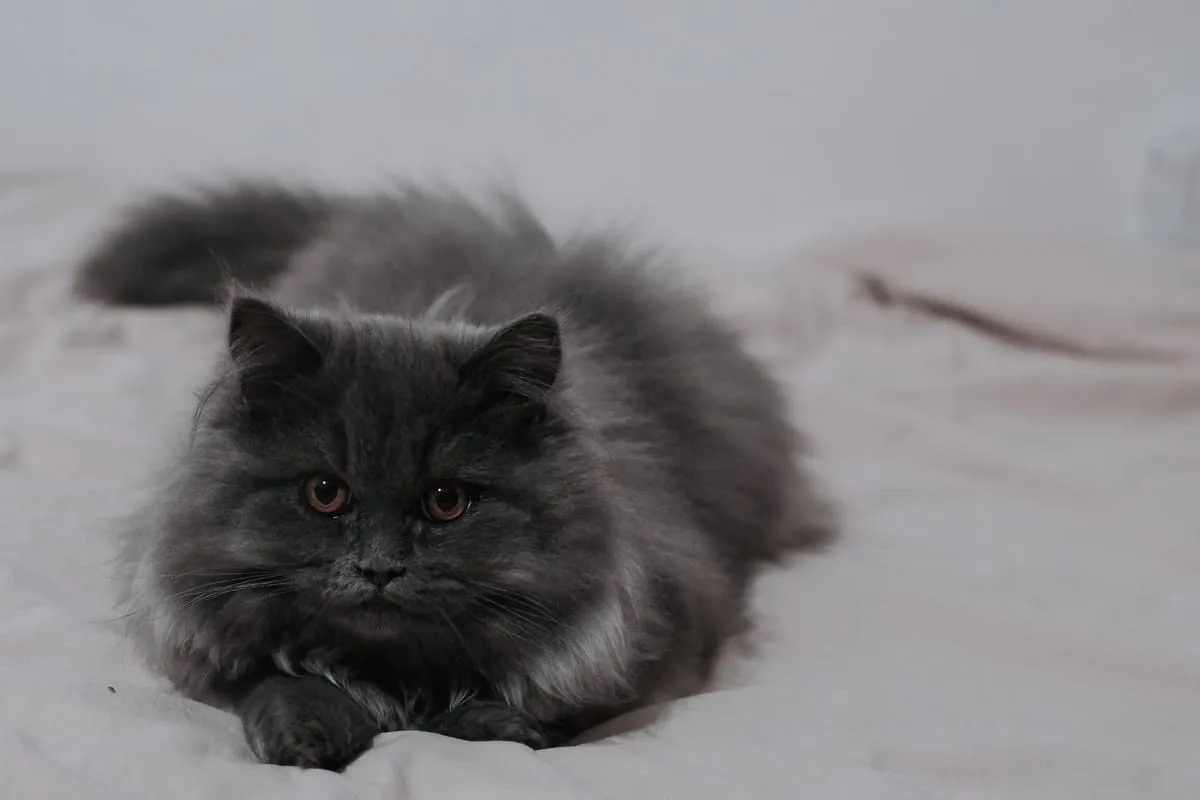
The Persian is named for Persia, its presumed country of origin. It’s one of the oldest and most recognizable cat breeds in the world, and its exact beginnings are unclear.
Old records mention longhaired cats in both Turkey and Persia. An Italian traveler is credited with bringing a longhaired cat from Persia to Italy centuries ago. Later, breeders crossed longhaired cats from Turkey with Italian longhaired cats to create the modern Persian.
The Persian rose to fame at Britain’s first cat shows and won over Queen Victoria and other royals. It then crossed the Atlantic to the United States, where it has been popular ever since.
The Persian was also one of the founding breeds of the Cat Fanciers’ Association when the association began.
Today the Himalayan, a Persian with a pointed coat like a Siamese, is shown as one of the Persian’s color divisions. So a blue-eyed, pointed longhair with a round Persian face is still a Persian at heart.
Is a Persian right for you
A Persian suits a calm home and a person who enjoys a gentle, low-key companion. If you love a cat who naps beside you and greets you quietly at the door, the breed is a lovely match.
It’s not the right fit if you can’t brush every day. The coat is the big commitment, and skipping grooming quickly leads to mats.
A Persian also prefers a peaceful house to a loud, busy one. Kids are welcome, as long as they’re gentle and let the cat come to them.
Because Persians aren’t overly demanding and don’t mind some time alone, they can suit a household that’s out at work or school during the day. They’ll be waiting, calmly, when you get home.
Naming a Persian
A fluffy, regal cat suits a fluffy, regal name. These Persian cat names range from soft cloud names to glamorous girl names and stately boy names.
For another big longhaired breed with a very different personality, see the guide to the Maine Coon.