Indoor Cat Ideas to Keep Your Cat Happy
How to give an indoor cat a full, happy life: a safe place, perches and views, separate resources, daily play, scratching spots and calm time with you.

By Maren Whitlock · Published
An indoor cat can live a full, happy life when the home meets their natural needs. That means a safe place to hide, high spots with a view, separate places for food, water and the litter box, daily play that lets them hunt, and calm, predictable time with you.
What every indoor cat needs
Cat vets sum up a cat’s needs at home in five pillars, from guidelines by two veterinary groups for cats, the AAFP and the ISFM. They work as a checklist for any indoor cat:
- A safe place: a private spot your cat can retreat to.
- Separate resources: food, water, the litter box, scratching posts and resting spots, each in its own place.
- Play and the hunt: a chance to act on natural instincts to chase, pounce and catch.
- Predictable time with people: positive, consistent and predictable interaction with you.
- Respect for smell: a home that keeps in mind how strong a cat’s sense of smell is.
Meeting those needs keeps an indoor cat busy, calm and confident. The rest of this guide takes each one in turn, with simple ways to set it up at home.
Start with one room
A new cat settles in faster in one quiet room with everything close by, then explores the rest of the home a room at a time. The New Kitten guide walks through those first days, and the guide to adopting a cat follows a rescue cat through the first three months.
Adding a second indoor cat? These steps for introducing cats to cats help two cats learn to share a home.
A safe place and room to climb
Every cat needs somewhere to retreat when the house gets busy. A covered bed, a box on its side or a quiet shelf works, as long as it’s private and your cat can reach it easily.
Many cats look for high resting places. A spot up high lets a cat relax while keeping an eye on the room, and it gives them somewhere to go when the dog or a visiting child gets too close.
Height should feel like a choice, though. A cat should never be stuck up high because they’re afraid to come down, so make sure every high spot has an easy way up and down.
Cat trees and shelves
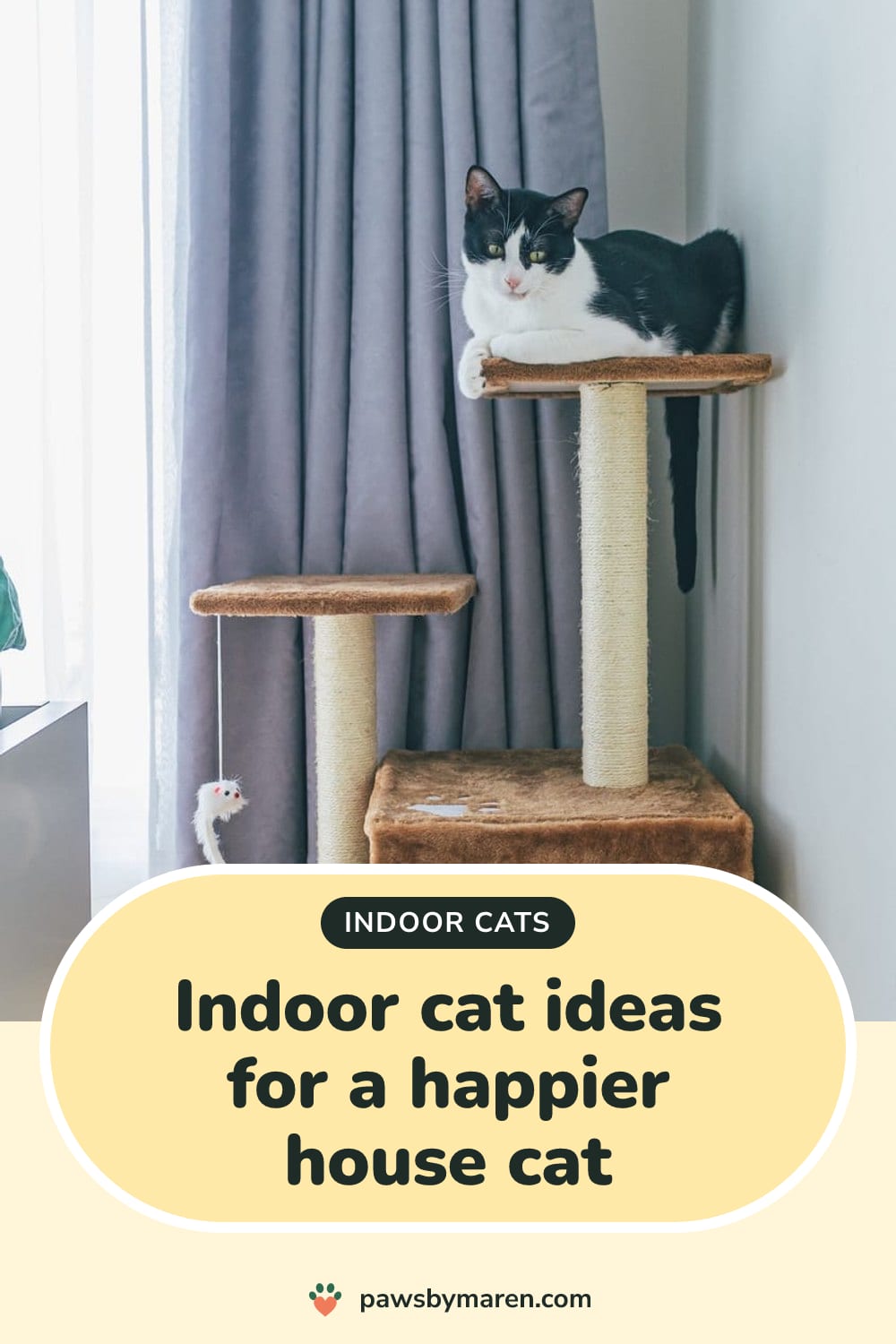
Cat trees offer climbing, hiding and playing all in one, which makes them ideal for indoor cats. Put one where the family spends time, not tucked away in a spare room.
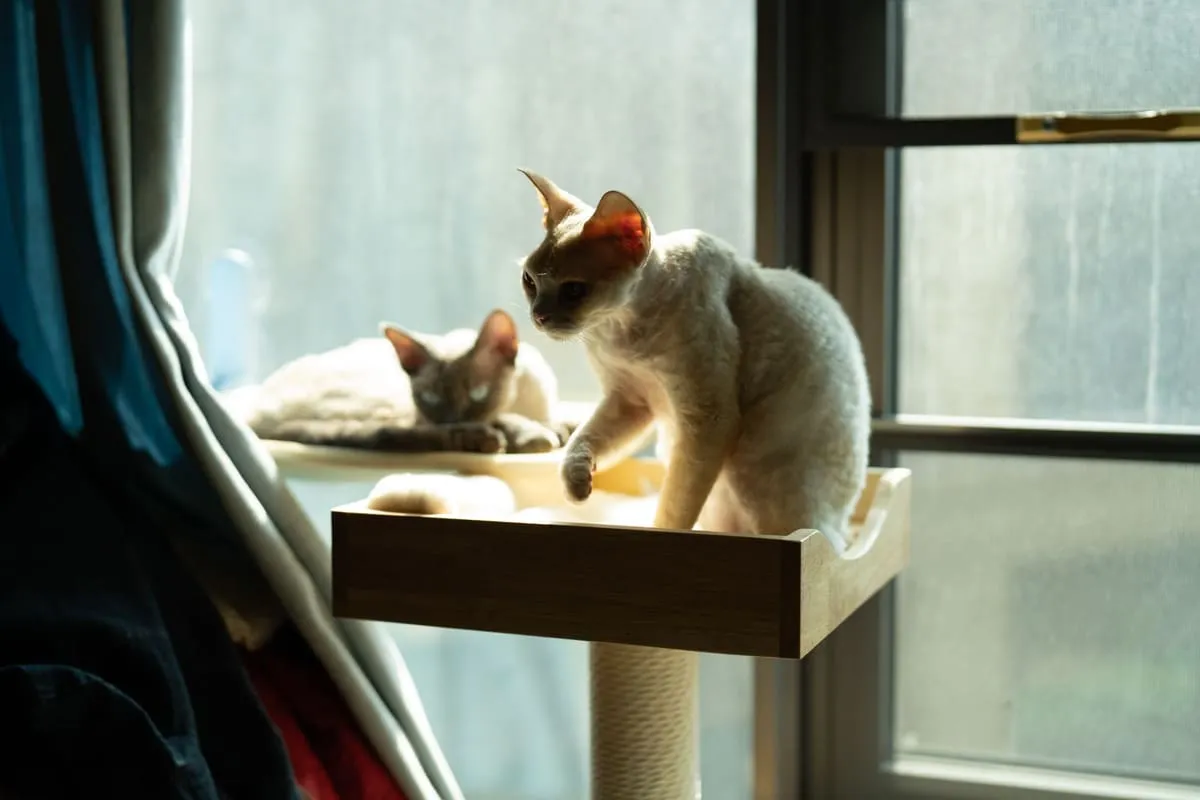
Wall shelves, a cleared bookcase top or a sturdy perch by a window add more high places without taking up floor space. A cat who can move around the room without touching the floor has a much bigger world.
Separate spots for food, water and the litter box
Each key resource should be in its own place, separate from the others. Food, water, the litter box, scratching posts and resting spots all work better when a cat doesn’t have to pass one to reach another.
Keep the litter box away from the food and water, and put it somewhere quiet where your cat won’t be startled. A box in a busy hallway or next to a loud machine can put a cat off using it. Scoop it every day, so it stays a place your cat is happy to use.
In a home with more than one cat, spread the resources out even more. Having several of each in different rooms means nobody has to wait or feel cornered.
The basics
If you’re setting up a home for a new cat, the cat essentials guide covers what to look for in a litter box, bowls, a bed and a scratching post. The same basics serve an indoor cat for life.
Play and the hunt
Even a well-fed indoor cat has the instincts of a hunter. Daily play gives those instincts somewhere to go, and it’s one of the best ways to bond with your cat.
Play with your cat every day, in a few short sessions rather than one long one. A wand toy that moves like prey lets your cat stalk, chase and pounce, while your hands stay out of reach.
Never let a cat pounce on hands or feet, even a tiny kitten. It’s cute now and much less fun later, so always put a toy between your cat and your fingers.
Toys, puzzles and hidden treats
Offer a variety of toys that look like prey and are too large to swallow, and rotate them often so they stay new and interesting. A toy that has been put away for a week can feel brand new.
Puzzle toys that hold part of a meal add mental work to mealtime. Hiding a few toys or a little of the day’s food around the house lets your cat hunt and explore.

Scratching, windows and fresh air
Scratching is how a cat stretches, keeps their claws in shape and marks their space. Scratching also leaves scent from the paws, which helps a cat feel secure at home.
Give your cat scratching spots made of a material they like, large enough to stretch out completely. A tall post by the sofa and a flat pad near the bed are good places to start.
Window views
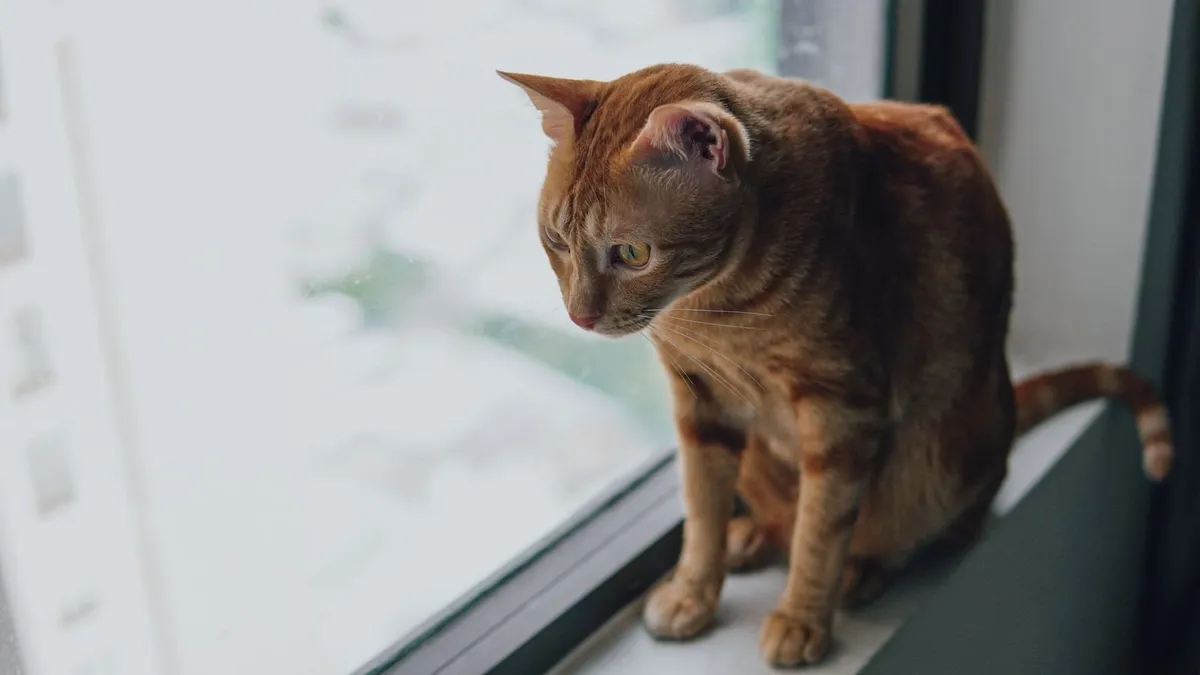
A window with an interesting view is like television for a cat. A window perch or a cleared sill where your cat can watch birds, leaves and passing people gives plenty to watch.
Some cats enjoy watching a screen too, while others much prefer the real thing at the window. Keep window screens closed and secure whenever windows are open.
A little outdoor time
With training and patience, most cats can learn to walk on a cat-safe harness and leash. Start indoors, keep sessions short and let your cat set the pace.
A catio, an enclosed outdoor space, is another way to give an indoor cat fresh air and new smells while keeping them safe at home.
Time with you and a home that smells right
Cats often prefer frequent but low-key time with their people over long, intense cuddles. A few minutes of gentle play, a quiet chat or a brush session several times a day suits most cats well.
Keep the routine predictable. Meals, play and quiet time at roughly the same times each day help an indoor cat feel safe and settled.
Let your cat choose
Let your cat come to you, and let them decide how long a cuddle lasts. A cat who can always walk away feels safe enough to come back.
Ask visitors and children to do the same: sit on the floor, offer a hand and wait. A calm, patient start makes new people far less scary.
Mind the smells
Cats have an incredibly strong sense of smell. Strong cleaners, air fresheners and scented litter can be unpleasant for a cat, so choose mild, unscented products where you can.
Fewer strong smells make the home feel calmer for a cat. The new kitten checklist is a handy way to make sure the basics are in place before you start.